

Pharmacists play a vital role in integrating diabetes and depression care, enhancing patient outcomes through screening, individualized treatment, and collaborative approaches.
Ashley Gallagher is an assistant managing editor at Drug Topics®. She graduated in 2020 in journalism and mass communications and received her master’s degree in 2025 in digital journalism from St. Bonaventure University. Previously, she worked as a pharmacy technician for a retail chain.
Pharmacists play a vital role in integrating diabetes and depression care, enhancing patient outcomes through screening, individualized treatment, and collaborative approaches.

Caitlin Clark shares insights on teamwork and confidence in health care and sports, emphasizing the importance of relationships for success.

Community pharmacies redefine patient care by emphasizing personalized services, using innovative models, and addressing social determinants of health for improved outcomes.

Pharmacy technicians evolve into specialized clinical roles, enhancing patient care and reducing turnover.

The evolving landscape of type 2 diabetes management with advanced insulin delivery systems enhances patient outcomes and pharmacist roles.

Misinformation, limited understanding of biosimilars, and inconsistent insurance policies only add to the confusion.

Shantel Upshaw Houston, PharmD, inspires pharmacy professionals to transform systemic challenges into collaborative solutions, emphasizing empathy, equity, and community engagement for meaningful change.

As hospitals and health systems aim to improve outcomes, pharmacists have a large role in managing these conditions with pregnancy-specific therapies.
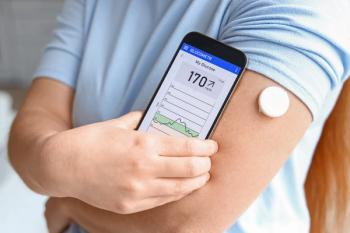
Low-carbohydrate diets, education, and technology enhance glycemic control and well-being for adults with type 1 diabetes.

Vaccine hesitancy rises as new recommendations emerge, highlighting pharmacists’ crucial role in addressing misinformation and improving immunization rates.

Multifaceted antimicrobial stewardship initiatives significantly enhance antibiotic prescribing practices for respiratory infections, improving patient outcomes.

Person-centric packaging enhances medication adherence for type 2 diabetes patients, simplifying therapy and improving outcomes, according to recent studies.

Dietary nutrients show promise in reducing asthma risk linked to indoor air pollution, offering new strategies for pharmacists in patient care.

Morgan McSweeney, PhD, discusses America's public health decision-making, urging reforms to combat misinformation and safeguard scientific integrity in health agencies.

Conflicting federal health guidance creates confusion and erodes public trust, impacting patient safety and access to vital medical interventions.
Morgan McSweeney, PhD, discusses how social media highlights the most emotionally charged voices, often those offering anecdotes or outrage over careful analysis.

Tardive dyskinesia presents significant challenges for patients, but new FDA-approved treatments offer hope for improved management and quality of life.

High-profile figures often share misleading health information, highlighting the need for trusted and evidence-based content in social media discussions.

Conflicting health guidance from authorities creates confusion and erodes public trust, impacting access to medical care and long-term health outcomes.

The CDC states that the claim “vaccines do not cause autism” is not evidence based because studies have not ruled out the possibility that infant vaccines cause autism.

The FDA approves denosumab biosimilars Osvyrti and Jubereq, expanding treatment options for osteoporosis and bone-related conditions.

A study reveals declining support for COVID-19 measures over time, highlighting the critical role of pharmacists in providing essential health education.

Patients tend to trust their physician to deprescribe more than their community pharmacist.
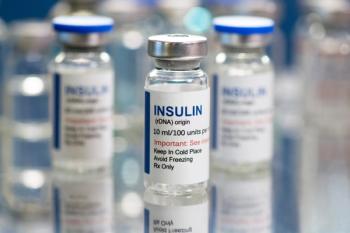
Pharmacists enhance diabetes care through text messaging interventions, improving medication adherence and glycemic control in patients with complex treatment plans.

A study reveals first-trimester SARS-CoV-2 infection increases neonatal risks and highlights disparities in testing among pregnant women across demographics.

A recent review highlights cardiovascular risks linked to albuterol use in asthma treatment, urging safer alternatives and enhanced patient monitoring strategies.

US adults show an increase in recreational activity post-COVID-19, but lingering cardiovascular risks from infection highlight the need for ongoing health vigilance.

The study highlights disparities in COVID-19 vaccine access, revealing urban pharmacies excel while rural areas face significant challenges, urging policy changes for equity.

A study shows dupilumab significantly improves symptoms of allergic fungal rhinosinusitis, offering hope for effective treatment options.

New findings reveal semaglutide 2.4 mg improves liver health in MASH patients, showing benefits beyond weight loss, as presented at The Liver Meeting 2025.