






Immunization
Latest News
Advertisement
Latest Videos







Shorts
0:57
The Cost of HHS' Call to Split MMR Vaccine
a month ago
by
Brian Nowosielski(+1 more)
0:49
How to Get Through to Vaccine-Hesitant Patients
a month ago
by
Brian Nowosielski(+1 more)

0:35
The Financial Risk of Pharmacies Ignoring Vaccines
6 months ago
by
Brian Nowosielski(+1 more)
0:46
Why Pharmacists Are Primed Vaccine Administrators
6 months ago
by
Brian Nowosielski(+1 more)
0:53
What Pharmacists Should Know About Current Vaccine Developments
6 months ago
by
Brian Nowosielski(+1 more)

1:05
Over the Counter Recap: World Immunization Week
6 months ago
by
Brian Nowosielski

0:57
mRNA Vaccines Do Not Rewrite DNA
8 months ago
by
Ashley Gallagher, MA(+1 more)

0:56
CDC Changes Pediatric COVID-19 Schedule: What Parents Need to Know
8 months ago
by
Brian Nowosielski(+1 more)
0:41
The Future of mRNA: Could One Shot Protect Against Everything?
8 months ago
by
Brian Nowosielski(+1 more)
0:55
Billions Pulled from mRNA Research, New FDA Guidelines Revealed
8 months ago
by
Brian Nowosielski(+1 more)
CME Content













































Advertisement
More News

Darren Mensch, PharmD, BCPS, BCACP, provides evidence-based nuance regarding the emergence of mRNA vaccine technology and health care’s understanding of it.

The choice between mRNA and protein-based vaccines matters less than getting patients vaccinated at all.

Chad Worz, PharmD, BCGP, FASCP, explains why the Main Street Pharmacy Access Act's reimbursement provisions are key to unlocking pharmacy's clinical future.

Cohort studies found no clear cardiovascular benefit from PPV23 vaccination, leaving its role in cardiovascular prevention unresolved.

A high-dose flu vaccine lowered flu- and pneumonia-related hospital stays in patients with chronic lung disease, reinforcing flu and pneumococcal vaccinations.

ACIP changes, new court rulings, and coverage gaps threaten vaccines, pharmacists’ reimbursement, and children's access through Vaccine For Children.

Madeline Sutton, MD, MPH, FACOG, joins to discuss risks of HPV infection among women and how pharmacists can improve outcomes in this area.

An analysis found all-cause pneumonia Black, lower-income, and medically at-risk children still face substantially higher rates of hospitalization.

A cross-sectional survey links chronic fatigue, cognitive impairment, and menstrual irregularity to COVID-19 vaccination, with rates differing by brand.

Thomas Lew, MD, ABIM, Molly O’Shea, MD, FAAP, and Jesse Goodman, MD, MPH, discuss vaccine policy changes and their impact on measles outbreaks.

A population-level analysis finds that age, comorbidity burden, and long-term care residence continue to drive severe outcomes.

Data show adults who received the recombinant shingles vaccine had a lower cardiovascular burden than those who received the discontinued live vaccine.

The 4 key organizations regularly focusing on respiratory virus season released updated vaccine recommendations for 2026-2027.

As data reframes vaccines as a lifelong tool, pharmacists are becoming the access point that keeps patients up to date at every stage of life.
Independent pharmacist Tom DePietro explains how shifting vaccine policies, ACIP changes, and patient confusion are reshaping immunization at the pharmacy counter.

Live attenuated influenza vaccine increased pneumococcal density in vaccinated children, raising odds of pneumococcal infection among household contacts.

The federal government is actively looking to enhance its evolving approach toward US childhood vaccine recommendations.

Pfizer and BioNTech, Moderna, Sanofi, and Takeda received FDA approval for updated 2026-2027 COVID-19 vaccines reformulated to target the XFG variant.
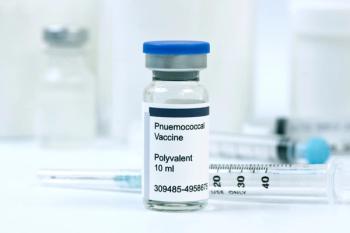
New consensus confirms that chronic obstructive pulmonary disease, asthma, bronchiectasis, and lung cancer are indications for pneumococcal vaccination.

Focusing on serotype distribution, resistance trends, and vaccination impact, researchers analyze invasive pneumococcal disease burden.

A tool now tracks measles, meningitis, and whooping cough at the state and substate level, giving pharmacists a new resource to identify local outbreaks.
Giving 15-valent pneumococcal conjugate vaccine alongside acellular DTaP did not compromise antibody responses to either vaccine.

Through the scope of Nigerian pharmacists and their vaccination rates, researchers assessed strategies for advancing public health.
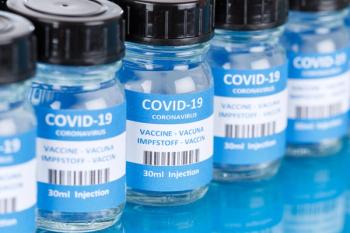
Among COVID-19 vaccine recipients, researchers assess the safety and efficacy of the 2023-24 protein-based and mRNA COVID-19 vaccines.
Pharmacists navigate ACIP changes, legal battles, and shifting vaccine schedules reshaping US immunization policy and respiratory season planning.
Advertisement
Advertisement
Trending on Drug Topics
1
EloraTZP Shows Greater Weight Loss, A1C Reduction Than Tirzepatide
2
FDA Approves Bepirovirsen Injection to Treat Chronic Hepatitis B
3
Pharmacist Roles, Risks in Guiding AI-Enabled Medical Device Use
4
White House Declares Increased Focus on Women’s Health in US
5