Researchers evaluate peer-reviewed literature on interventions to improve vaccine uptake among thousands of US adults studied between 2010 and 2015.
Spanning those focused on pneumococcal diseases to continued developments of vaccines against COVID-19, these are the most-read immunization stories from 2025.
From the high-tech promise of painless immunization to the complex legal battles over pharmacist authority in administering vaccines, 2025 proved that the science of immunizations can be only half the battle. This year, the focus shifted toward ensuring that life-saving vaccines actually reached the patients who need them most from the providers who are experts in administration.
Here are the most-read
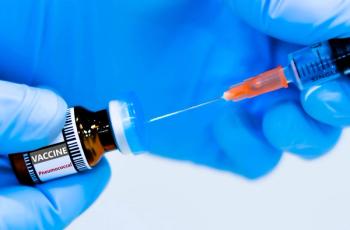
A 20-year longitudinal study revealed nearly a 100% increase in invasive pneumococcal disease (IPD) between 2012 and 2024, signaling an urgent need for vaccines with even higher valency. While existing options like the 20-valent pneumococcal conjugate vaccine (PCV20) have successfully stabilized some disease potential, researchers observed a significant serotype replacement, where non-vaccine serotypes (NVTs) are now becoming more prominent.
This shift is particularly concerning for children and the elderly, as these new strains demonstrate high invasive potential despite declining carriage rates. Consequently, experts called for the rapid development of next-generation formulations to stay ahead of the evolving bacteria and prevent a resurgence of meningitis, pneumonia, or other pneumococcal diseases.
In a departure from broader immunization trends, a new study using the NIH All of Us database found that Non-Hispanic Black adults had a higher uptake of pneumococcal vaccines (18.8%) compared with Non-Hispanic white adults (17.1%) between the ages of 18 and 64. This finding is particularly striking because Black individuals historically report lower rates for COVID-19 and flu vaccines, often due to factors like health care distrust, yet the disparity in pneumococcal vaccination cannot be fully explained by socioeconomic status or chronic disease burden alone.
Conversely, Hispanic (13.2%) and Asian (12.5%) adults showed the lowest odds of receiving the vaccine, highlighting a need for more targeted outreach toward these populations. Researchers suggested that pharmacists are uniquely positioned to bridge these remaining gaps by leveraging their expertise and personal patient relationships to ensure equitable delivery of both PCV and pneumococcal polysaccharide vaccine (PPSV) vaccine formulations.
In September, major retail pharmacies announced they are tightening access to the latest COVID-19 immunizations, with CVS and Walgreens introducing prescription requirements across 16 states. In a notable policy shift, CVS completely halted vaccine services in Massachusetts, Nevada, and New Mexico, while other regions now require a physician's referral for patients under 65.
This change coincides with a fractured regulatory landscape, as the CDC and American Academy of Pediatrics have issued conflicting guidance for the 2025-2026 respiratory season. Health experts warn that these new logistical hurdles stemming from leadership in the current Trump Administration deepen public confusion and hinder the efforts of medical providers to deliver evidence-based care.
Innovative microneedle-based (MN) vaccine systems are emerging as a painless, highly effective alternative to traditional needle-and-syringe injections, according to a recent review published in Vaccine. These systems use micrometer-sized needles to deliver vaccines directly to the skin's surface, potentially increasing immune responses while eliminating the fear of pain and needles that contribute to vaccine hesitancy.
Beyond patient comfort, MN technology offers logistical advantages such as enhanced stability and the removal of cold chain storage requirements, which could simplify global distribution. While researchers noted that hurdles in manufacturing scalability, dosage precision, and regulatory approval remain, the technology represents a significant step toward making life-saving immunizations more accessible and self-administrable.
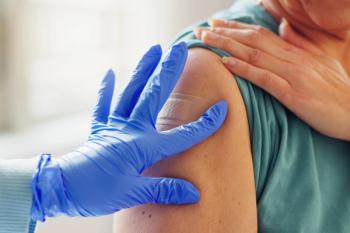
While the federal Public Readiness and Emergency Preparedness (PREP) Act has been extended to 2029, a new report emphasized that states must urgently codify permanent laws to prevent a regulatory patchwork that could hinder vaccine access. As of January 2025, all 50 states allowed pharmacists to administer any ACIP-recommended vaccine, but massive variability remained regarding minimum age requirements and the authority of pharmacy technicians.
As of August 2025, only 19 states allowed pharmacists to independently vaccinate children as young as 3, despite data showing that pharmacy-based pediatric immunization significantly increases uptake in rural and underserved areas. Experts argued that to ensure long-term public health resilience, states should shift toward standard-of-care models that grant pharmacists greater professional autonomy to follow evidence-based science regardless of shifting political climates.