







Pharmacists must navigate peptide and GLP-1 compounding legally by understanding 503A vs 503B rules.
Pharmacists must navigate peptide and GLP-1 compounding legally by understanding 503A vs 503B rules.

The pharmacy benefits industry is undergoing a massive restructuring, driven by a wave of government action designed to shift focus back to the patient.

A new pharmacy-based program in rural America is potentially identifying and saving thousands of patients from cardiovascular disease.

As reimbursement rates continue to erode and operating costs climb, independent pharmacy owners are being forced to think like CFOs—not just clinicians.

Researchers explore the role of pharmacists in medication reconciliation and patient counseling.
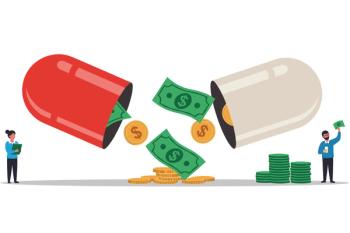
In part 2, McMahan contextualizes the recent FTC-Caremark settlement with some of the industry’s major reform efforts in recent history.

Researchers map the structural components that allow for a more patient-centered approach across pharmacist-led management.

Researchers aim to better understand the perspectives of providers amid ongoing transformations.
This episode provides an introspective look at the people in pharmacy who are the hardest to lead toward a path of success.

Rae McMahan joins to provide key insights and updates on developing action between CVS Caremark, the FTC, and the rest of the pharmacy benefits industry.

Empathy amongst patients’ most trusted health care providers can translate to better outcomes and health care delivery.
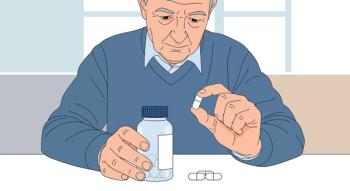
In a case study based in a community pharmacy, researchers assess the dosage regimen of an older polymedicated patient to improve adherence and pharmacotherapy.

Among adult patients experiencing a transfer to skilled nursing facilities, researchers provide a detailed look into medication restart patterns following deprescribing.

Based on discussions from a recent webinar debate on the 340B Drug Pricing Program, we’re revealing how differently key stakeholders see a program that pharmacists participate in every day.
In a technologically advanced health care landscape, solutions to address language barriers are necessary and can be the difference between life and death for complex medication regimens.

Tom Kraus, JD, of ASHP, and Shawn Gremminger, MPP, of the National Alliance of Healthcare Purchaser Coalitions, face off on the 340B Drug Pricing Program.

In part 2, Blank argues that the language on a medication’s label deserves the same regulatory scrutiny given to the drugs themselves and how they affect patients.

Study findings underscore health care’s gradual push into the technologically driven future of health care, leaving in-store destinations behind.

Sharon Blank, CEO of RxTran and Language Scientific, discusses language hurdles in the safe delivery of medications for patients and pharmacists alike.

Researchers design, implement, and evaluate the use of social determinants of health screening and referral services within Medicaid payer programs.

Through pharmacists’ statewide billing capabilities, researchers explore how educational support impacts community pharmacies’ medical billing.

Through the lens of pharmacist satisfaction, researchers assess the implementation and real-world use of medication alert systems.
This episode explores PBMs’ copay collection discrepancies and how improper documentation can be the downfall for pharmacy business.

Analyzing nearly a decade of pharmaceutical interventions in community pharmacies, researchers reveal the role pharmacists play in self-medication.

With calls to expand access across the health care ecosystem, researchers explore pharmacists' perceptions regarding independent prescribing.
With the Medicare GLP-1 Bridge Program just 2 weeks old, a drug market expert shared their thoughts on what the initiative may mean for pharmacists and their patients.