

With Commissioner Makary resigning just days prior, this marks the second and third major change in the federal agency’s leadership this month.
With Commissioner Makary resigning just days prior, this marks the second and third major change in the federal agency’s leadership this month.

Between clinical initiatives, educational strategies, and regulatory frameworks, researchers explore PGx services integration.

The approval also includes an interchangeability designation, meaning both products can be substituted at the pharmacy level.

FDA approves Baxfendy, a new oral aldosterone blocker, to help hard-to-control hypertension.

Despite a myriad of data and news releases about the growing prominence of AI in pharmacy practice, several knowledge and acceptance gaps persist.

Oral ensitrelvir given within 72 hours cuts household symptomatic COVID-19 by 67%, showing safe postexposure prevention.

Meta-analysis shows empagliflozin is superior to sitagliptin with metformin for glycemic control.

HHS targets SSRI overuse, urging pharmacists and clinicians to reassess long-term therapy, use safer tapers, and expand nondrug care.

As health officials respond to ongoing concerns, Nathan Ott, PharmD, joined to discuss key hantavirus facts that pharmacists can relay to their communities.
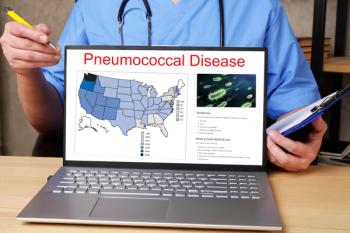
Among both childhood and adult populations, researchers assess the quality of life across a large cohort of patients reporting pneumococcal disease cases.

The FDA seeks to bar bulk compounding of semaglutide, tirzepatide, and liraglutide, spotlighting risks in online glucagon-like peptide-1 copies.

In part 2, Staci-Marie Norman, PharmD, CDCES, FAPhA, and Susan Cornell, PharmD, CDCES, FAPhA, FADCES, discuss the pharmacist’s ability to meander a booming medication class in GLP-1s.
FDA leadership shifts as Marty Makary resigns amid drug, vaccine and mifepristone disputes; Kyle Diamantas steps in as acting commissioner.

Despite common trends in the specialty drug market persisting, a new pharmacy landscape must come together to address rising issues.

Preventing pneumococcal disease remains a cornerstone of public health, yet the strategy for protection is increasingly individualized and complex.

ECO 2026 data shows Wegovy cuts migraines, depression, and heart risk in menopausal women, as glucagon-like peptide-1s' demand challenges pharmacists.

Opioid pain care shifts fast, and pharmacists and pharmacies lead safer prescribing, naloxone education, and monitoring to curb overdose deaths.
Researchers explore invasive pneumococcal disease epidemiology after the introduction of multiple pneumococcal conjugate vaccines.

New research shows inflammation and diabetes raise preterm birth risk, suggesting C-reactive protein testing.

The weight-loss and diabetes drug will now be available via Amazon Pharmacy for same-day delivery or in-person kiosk pickup.

As artificial intelligence becomes commonplace in medical practice, officials are gradually uncovering significant safety risks.

By late February 2026, national data from the CDC reveal a test positivity rate of 9.1%, the highest recorded for the entire season at that point.

Exploring data across a variety of income settings, researchers conduct a review of invasive pneumococcal disease carriage, cases, and their associations.

In part 2, Kevin Day, PharmD, breaks down the Pharmacy Quality Rewards Program and its push toward value-based care in pharmacy practice.

As accessible and trusted health care providers, pharmacists have important roles to play in helping patients mitigate the impact of heat on their health.

Exploring clinical prioritization and macroeconomic investment, researchers examine the link between disease and economic burden of diabetes.

GLP-1 prescriptions surge to nearly 8% of fills, fueled by weight-loss demand.

With continued pressure for federal action regarding the abortion drug mifepristone, SCOTUS blocked a previous decision that would limit the pill’s access.
FDA clears Langlara interchangeable insulin glargine, enabling pharmacy substitution for Lantus and widening affordable basal insulin access.

Despite WHO officials stating that risks from the outbreak remain low, experts are acting urgently to uncover details and provide support.