The approval is the first new treatment advance in more than 30 years for chronic kidney disease for adults with type 1 diabetes.
FDA clears Langlara interchangeable insulin glargine, enabling pharmacy substitution for Lantus and widening affordable basal insulin access.
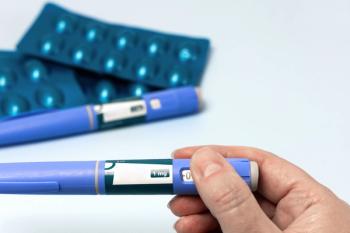
The FDA officially approved Langlara (insulin glargine-aldy) as an interchangeable biosimilar to the reference drug Lantus (insulin glargine). Developed through a partnership between Lannett Company, its subsidiary Lanexa Biologics, and Sunshine Lake Pharma, the long-acting insulin is indicated to improve glycemic control in both adult and pediatric patients with type 1 diabetes and in adults with type 2 diabetes.1
This milestone marks a significant expansion in the available options for basal insulin therapy, which provides a steady level of insulin for 24 hours or longer with a once-daily dose.
“Often, the greatest barrier to care for patients living with diabetes is the cost or the availability of the medicine itself. Upon the launch of Langlara, supported by the tremendous manufacturing scale of our partner, patients will have expanded access to a safe, affordable, and available treatment option. In fact, the scale required to support this medicine is the very reason so few insulin manufacturers exist,” Tim Crew, CEO of Lannett, said in the news release.
The approval was built upon a comprehensive totality of evidence program that included analytical, preclinical, and clinical data. These studies confirmed that Langlara is highly similar to Lantus in terms of pharmacokinetics, pharmacodynamics, safety profile, and immunogenicity.1
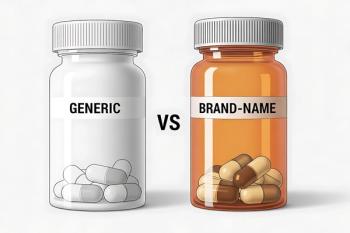
Because biologics are large, complex molecules produced in living systems—such as bacteria or yeast—they cannot be exact copies of their reference products in the same way that generic small-molecule drugs are. However, the rigorous manufacturing standards used by Sunshine Lake Pharma ensure that Langlara has no clinically meaningful differences from Lantus in terms of potency or purity.
“Moreover, earning the interchangeability designation is critical for patient access and reflects the extraordinary quality and scientific rigor of both Lannett and our partner Sunshine Lake Pharma. Lannett and Lanexa Biologics intend to pursue broad formulary placement across all commercial channels to make this medicine accessible for all who need it,” Crew said.
For pharmacists, the most critical aspect of this approval is the interchangeability designation, which allows for the substitution of Langlara for Lantus at the pharmacy counter without the intervention of the prescribing physician. This status is granted only when a manufacturer provides additional clinical data, often involving switching studies where patients transition between the biosimilar and the reference product at least 3 times to ensure no loss of efficacy or increase in adverse effects. Although the European Medicines Agency leaves interchangeability to the discretion of individual member states, the FDA maintains a specific regulatory pathway for this designation to streamline patient access and potentially lower retail costs.1-3
Clinical considerations for pharmacists remain consistent with the established profile of insulin glargine products. Langlara must be administered subcutaneously once daily and is not approved for use in insulin pumps or for mixing with other insulin varieties.3
Common adverse effects associated with this class include hypoglycemia, weight gain, and lipodystrophy at the injection site. Additionally, pharmacists should remain vigilant regarding potential interactions with certain oral antidiabetic agents like pioglitazone or rosiglitazone, which may increase the risk of heart failure when used alongside insulin. Proper storage is also essential, with unopened products requiring refrigeration between 36°F and 46°F and protection from direct heat and light.
As the biosimilar market continues to grow, such approvals are designed to foster competition and reduce the overall economic burden of diabetes on the health care system. Following its commercial launch, Langlara will be distributed exclusively through Lanexa Biologics, which is slated to become a standalone entity following the planned acquisition of Lannett by Aurobindo Pharma.1
READ MORE:
Are you ready to elevate your pharmacy practice? Sign up today for our