A claims analysis of 2031 patients aged 10 to 17 years found that nutrition counseling was infrequent and often began months after treatment started.
The FDA seeks to bar bulk compounding of semaglutide, tirzepatide, and liraglutide, spotlighting risks in online glucagon-like peptide-1 copies.
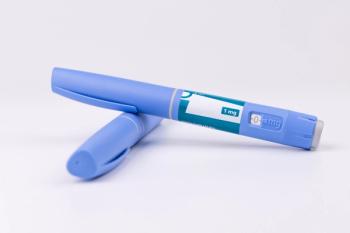
The FDA proposed to exclude semaglutide (Wegovy, Ozempic), tirzepatide (Zepbound, Mounjaro), and liraglutide (Saxenda, Victoza), popular glucagon-like peptide-1 (GLP-1) medications, from the 503B bulk list, citing a lack of clinical need for outsourcing facilities to compound these medications from bulk drug substances. This decision follows an evaluation of nominations for these 3 substances, during which the agency determined that sufficient evidence did not exist to justify their inclusion for bulk compounding.1
Under the Federal Food, Drug, and Cosmetic Act, outsourcing facilities are generally prohibited from compounding drugs using bulk substances unless those substances appear on the 503B bulk list or the drug is currently listed on the FDA’s official shortage list.
“When FDA-approved drugs are available, outsourcing facilities cannot lawfully compound using bulk drug substances unless there is a clear clinical need,” FDA Commissioner Marty Makary, MD, MPH, said in a news release. “This action reflects our responsibility to protect patients and preserve the integrity of the drug approval process while continuing to provide a transparent, science-based pathway for public input.”
This regulatory shift occurs against a backdrop of heightened scrutiny regarding the safety and marketing of compounded GLP-1 products. The FDA recently issued warning letters to 30 telehealth companies for making false or misleading claims, such as implying that their compounded versions are identical to FDA-approved products.2
Over the past 6 months, the agency has sent thousands of warning letters to various firms, a volume that exceeds the total number sent over the previous decade. For pharmacists, these developments highlight a critical enforcement priority, as the agency has clarified that compounded drugs are not FDA-approved and do not undergo the same review for safety, effectiveness, or quality as brand-name or generic medications.
The risks associated with unverified compounded alternatives have been underscored by recent laboratory findings and legal challenges. Novo Nordisk, the manufacturer of semaglutide, filed a lawsuit alleging that some compounded semaglutide products contained impurities as high as 86%. Such contaminants can lead to severe health consequences, including hospitalizations or life-threatening immune responses like anaphylactic shock.
Despite the peptide craze fueled by social media influencers, medical organizations like the American Diabetes Association have discouraged the use of compounded GLP-1s due to these uncertainties regarding quality.
“You've got the weight-loss ones that made everything popular, but peptide has been around for a long time. In fact, insulin was the first peptide that we used, and that’s stimulating insulin production but crosses to get sugar into the cells and a number of different other things, like oxytocin is a peptide,” Christopher Shade, PhD, CEO and founder of Quicksilver Scientific, said.3
Furthermore, the FDA has reiterated that the availability of authentic, approved versions of these medications nationwide removes the medical necessity for patients to utilize compounded alternatives.2,4
The FDA is exploring easing compounding restrictions for 7 peptide molecules, with an advisory panel set to meet in late July 2026. Although GLP-1s are considered peptides, they will not be included. Many of the substances included fall into a Category 2, which indicates they pose a potential safety risk, excluding them from the enforcement discretion granted to substances in Category 1.4
“You’ve got all these peptides in the health world, things like BPC-157. That's actually part of a larger protein made in the stomach, made for repairing the stomach lining, but it has effects on repair processes throughout the body,” Shade said.3
Stakeholders and healthcare professionals have until June 29, 2026, to submit electronic comments regarding the proposal to exclude semaglutide, tirzepatide, and liraglutide from the 503B list. As the regulatory landscape for traditional and outsourced pharmacy compounding continues to evolve, pharmacists remain essential in educating patients about the risks of unverified alternatives in the digital marketplace.1
The FDA will consider all submitted public input before making a final determination on the status of these substances. Until then, pharmacists are encouraged to stay diligent in sourcing high-quality materials and monitoring the evolving drug shortage and bulk substances lists.