News|Articles|May 5, 2026

GLP-1s Made Up Eight Of Every 100 Prescriptions Filled in March 2026

Listen
0:00 / 0:00

Key Takeaways

  • Truveta’s daily-updated EHR dataset (>130 million US patients) supports near-real-time assessment of national GLP-1 RA prescribing and dispensing patterns since 2019.
  • Growth is increasingly obesity-driven, with first-time antiobesity GLP-1 prescribing up 21.7% (Dec 2025–Mar 2026) alongside a 9.8% decline in first-time antidiabetic starts.
SHOW MORE

GLP-1 prescriptions surge to nearly 8% of fills, fueled by weight-loss demand.

In a shift that is redefining the landscape of modern pharmacy, nearly 8 out of every 100 prescriptions filled in March 2026 were for glucagon-like peptide-1 (GLP-1) receptor agonists. This milestone follows the largest quarter-over-quarter percentage point increase in GLP-1 RA prescribing observed since tracking began in 2019. For pharmacists on the front lines, these numbers reflect a massive acceleration in patient demand that continues to test the limits of supply chains and clinical management.
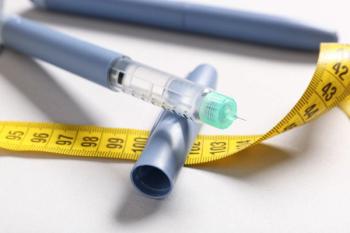

The study was conducted using Truveta data, which included electronic health records that were updated daily for more than 130 million patients in the US.

“This report provides one of the most current and representative looks at real-world GLP-1 RA use across the US,” Brianna Cartwright, MS, principal research analyst and head for Truveta Research at Truveta, said in an interview.

About The Findings

The latest data reveals a significant pivot in how these medications are being utilized. Although GLP-1s have long been a staple in managing type 2 diabetes, the current growth is overwhelmingly driven by antiobesity medication (AOM) indications. Between December 2025 and March 2026, first-time AOM prescribing surged by 21.7%. In stark contrast, first-time prescriptions for antidiabetic medications (ADMs) actually decreased by 9.8% during the same 3-month window.

“Our data show an increase in GLP-1 RA prescribing every year since we started tracking in 2019, but the overall prescribing rates remained under 2% of all prescriptions until 2022,” Cartwright said. “Since 2022, we’ve seen yearly increases in the rate of GLP-1 prescribing. However, when we measure quarter-over-quarter change, January to March 2026 experienced the largest percentage point gain since we started tracking the report.”

Cartwright added that the increase shows a broader acceptance of AOM and ADM, furthering presenting GLP-1s as the standard of care for diabetes and obesity. With the increase in approvals for more indications and oral formulations, she does not see a decrease in prescriptions any time soon.

A catalyst for this recent spike could be the approval of the oral formulation of semaglutide (Wegovy) in late 2025. However, Cartwright said that, in the analysis, the data were not stratified by formulas.

“It is not possible to directly attribute the observed increase to the approval of the oral formulation specifically,” Cartwright said. “Other factors—such as growing clinical awareness, evolving obesity management guidelines, increased direct-to-consumer marketing, and broader insurance coverage—may also have contributed to the trend.”

Although tirzepatide (Zepbound) remains the most commonly prescribed medication in the class overall, semaglutide is currently showing the greatest rate of increase, likely due to the increased accessibility of an oral alternative to injections.

The Role of the Pharmacist

For the pharmacy profession, this volume—totaling nearly 15 million prescriptions for approximately 2.8 million patients since 2019—presents persistent operational hurdles. Pharmacists continue to navigate the complexities of medication shortages and the administrative burden of high costs and limited insurance coverage, particularly for patients seeking these therapies for weight loss without a diabetes diagnosis.

The study authors also found that there was a gap between prescribing and medication use.

“Prescription abandonment remains a meaningful gap between prescribing and actual medication use, particularly for higher-cost therapies where out-of-pocket costs, coverage restrictions, and prior authorization requirements can limit uptake,” Cartwright said. “In this report, we specifically measure dispensing within 60 days of a prescription being written. This approach captures whether patients ultimately initiate therapy but does not distinguish between true abandonment (never filled) and delayed fills beyond the 60-day window.”

As interest in these medications continues to accelerate, the role of the pharmacist in verifying indications and managing patient expectations remains critical to ensuring therapeutic adherence and safety. New formulations entering the market and patient demographics shifting require ongoing monitoring of both prescribing and dispensing trends, which will be essential for health care providers to maintain a complete view of the patient journey.

“The rapid increase in prescribing rates suggests that expanded indications and new formulations of GLP-1 RAs will likely continue to accelerate their use in the near term,” Cartwright said. “As utilization grows across broader and more diverse patient populations, ongoing real-world research will be critical to better understand long-term safety, effectiveness, and patterns of use outside of controlled clinical trial settings.”

READ MORE: Diabetes Resource Center

Are you ready to elevate your pharmacy practice? Sign up today for our free Drug Topics newsletter and get the latest drug information, industry trends, and patient care tips straight to your inbox.

REFERENCE
Truveta Research. GLP-1 RA prescription trends: January 2019 – March 2026. April 20, 2026. Accessed May 5, 2026. https://www.truveta.com/blog/research/glp-1-prescription-trends-january-2019-march-2026/

Latest CME