

Caitlin Clark shares insights on teamwork and confidence in health care and sports, emphasizing the importance of relationships for success.
Caitlin Clark shares insights on teamwork and confidence in health care and sports, emphasizing the importance of relationships for success.

Community pharmacies redefine patient care by emphasizing personalized services, using innovative models, and addressing social determinants of health for improved outcomes.

Pharmacists enhance asthma care by bridging knowledge gaps, improving medication adherence, and providing cost-effective treatment options for patients.

Exploring the real-time capabilities of chatbots and artificial intelligence (AI), researchers investigate how this technology would impact older adults’ pneumococcal vaccine rates.

Pharmacy technicians evolve into specialized clinical roles, enhancing patient care and reducing turnover.

The evolving landscape of type 2 diabetes management with advanced insulin delivery systems enhances patient outcomes and pharmacist roles.

Shantel Upshaw Houston, PharmD, inspires pharmacy professionals to transform systemic challenges into collaborative solutions, emphasizing empathy, equity, and community engagement for meaningful change.

Pharmacists play a crucial role in preventing cardiometabolic conditions through screenings, risk assessments, and lifestyle interventions, enhancing public health.
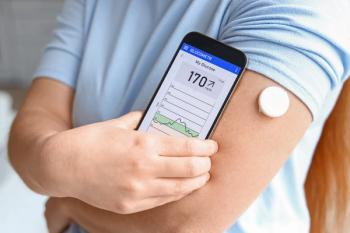
Low-carbohydrate diets, education, and technology enhance glycemic control and well-being for adults with type 1 diabetes.

This announcement is another move stemming from the federal government's skeptic views on vaccine technology and its efficacy among US patients.

Pharmacists enhance chronic disease management through patient-focused care, utilizing strategies like medication therapy management and community partnerships.

With OTC drug abuse on the rise, particularly among young people, researchers want to better understand ways to prevent it.

Vaccine hesitancy rises as new recommendations emerge, highlighting pharmacists’ crucial role in addressing misinformation and improving immunization rates.

Pharmacists enhancing chronic disease management through personalized care, education, and community collaboration.

Pharmacists play a crucial role in winter health, offering vaccinations, managing chronic conditions, and combating misinformation to keep communities healthy.

Researchers want to bolster evidence regarding the known link between maternal mental health and childhood nutritional status.

President Trump signed into law HR 2483, also known as the SUPPORT for Patients and Communities Reauthorization Act of 2025.

Multifaceted antimicrobial stewardship initiatives significantly enhance antibiotic prescribing practices for respiratory infections, improving patient outcomes.

Researchers explore community-acquired pneumococcal-related hospital admissions among adults from 2000 to 2019 and assess pneumococcal immunization’s impact after the year 2015.

In an exploration of the National Retail Data Monitor, researchers determine how OTC sales contributed to disease surveillance.

Person-centric packaging enhances medication adherence for type 2 diabetes patients, simplifying therapy and improving outcomes, according to recent studies.

John C. Goodman, PhD, discusses TrumpRx’s impact on patients and pharmacies, comparing this administration’s approach with the previous Biden Administration.

Dietary nutrients show promise in reducing asthma risk linked to indoor air pollution, offering new strategies for pharmacists in patient care.

The agency’s findings spur promises of significant change to the development and recommendations surrounding various immunizations.

Researchers investigate serotype distribution and antimicrobial resistance among children in Mexico with pneumococcal meningitis.

Morgan McSweeney, PhD, discusses America's public health decision-making, urging reforms to combat misinformation and safeguard scientific integrity in health agencies.
Conflicting federal health guidance creates confusion and erodes public trust, impacting patient safety and access to vital medical interventions.

Researchers conduct a cost-effectiveness analysis to uncover the public health and economic impacts of PCV20 among Australian children.

Novo Nordisk announced results of the evoke and evoke+ phase 3 trials on semaglutide’s use in treating Alzheimer disease progression.

Key sessions from the National Community Pharmacists Association 2025 Annual Convention & Expo highlight pharmacy benefit manager reform, pneumococcal vaccines, and billable services.