
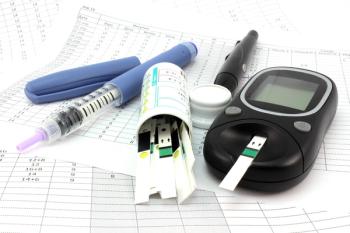
Managing diabetes has shifted from reactive monitoring to a proactive, technology-driven standard of care that emphasizes real-time data and personalized treatment.
Managing diabetes has shifted from reactive monitoring to a proactive, technology-driven standard of care that emphasizes real-time data and personalized treatment.
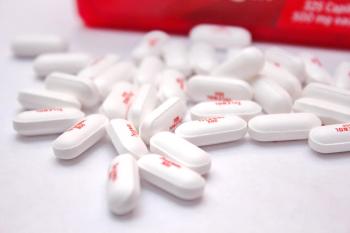
The opioid-free product pairs acetaminophen with naproxen in a single dose, giving pharmacists a new counseling point for patients.

The approval is backed by pivotal phase 3 trials and carries boxed warnings for suicidal ideation in pediatric patients and abuse potential.

Researchers design, implement, and evaluate the use of social determinants of health screening and referral services within Medicaid payer programs.

Positive results from TRIUMPH-2 and TRIUMPH-3 bring retatrutide's obesity program to 5 successful trials, with Lilly planning to submit in early 2027.

Pharmacists were asked about their perceived knowledge and attitudes toward patients with Down syndrome.

The autoinjector cuts administration to under 10 seconds, offering patients an at-home option for fluid overload in heart failure and chronic kidney disease.

A new survey shows widespread uncertainty about which vaccines the CDC recommends during pregnancy, underscoring the counseling role pharmacists play.

In the first of a 2-day hearing on peptide therapy access, the FDA votes in favor of approving 4 of the products discussed, with the potential for more on Friday.

Experts collaborate on the best approaches for boosting immunization rates in populations across school campuses and shared living facilities.

Through pharmacists’ statewide billing capabilities, researchers explore how educational support impacts community pharmacies’ medical billing.

New policies urge pharmacists to identify disinformation and seek legal protection against AI-generated impersonation.
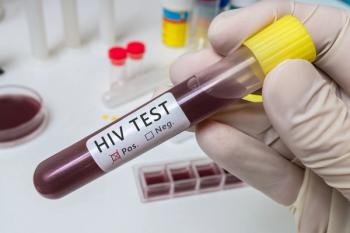
Detailed results show the investigational islatravir/lenacapavir combination sustained virologic suppression as a potential once weekly HIV treatment.

Through the lens of pharmacist satisfaction, researchers assess the implementation and real-world use of medication alert systems.

In part 2, Richard Dion, PharmD, addresses some of the persistent challenges among hospital pharmacies and their pain management models, offering some expert solutions to move forward.

Pharmacists and other clinicians counseling postpartum patients may find more success with meal-timing strategies that require minimal disruption to routines.

A new report on glucagon-like peptide-1 receptor agonists for obesity finds real clinical value alongside budget impact that already exceeds the review's own threshold.

Vaccine guidance in the US is undergoing a dramatic change, leaving pharmacists uncertain about coverage, authority, and flu-season timing.

In part 2, Paul Licciardi, PhD, dives into the evolving need for updated pneumococcal vaccine recommendations and how pharmacists can keep their patients informed.

A secret shopper study finds most are still compounding semaglutide and tirzepatide with additives, often through suppliers lacking sterile compounding licenses.

Analyzing nearly a decade of pharmaceutical interventions in community pharmacies, researchers reveal the role pharmacists play in self-medication.

Bivalent mRNA and protein-based fourth doses produce comparable protection against Omicron JN.1 infection over 12 months.

With calls to expand access across the health care ecosystem, researchers explore pharmacists' perceptions regarding independent prescribing.
A rapidly growing multistate cyclosporiasis outbreak has pushed national case counts to nearly 7000.

Nine pharmacy organizations state that the revised charter overemphasizes vaccine risk and could delay recommendations pharmacists rely on for scope of practice and insurance coverage.

Among adult patients who have reported a case of invasive pneumococcal disease, researchers address the association of risk factors and recurrent disease.
Lipfendra (enlicitide) showed placebo-adjusted low-density lipoprotein cholesterol reductions of more than 50% in 2 phase 3 trials.
Emerging data show glucagon-like peptide-1 receptor agonists may raise the risk of certain autoimmune diseases compared with other diabetes drugs.

Investigators test 3 repurposed drugs alongside specialist care, finding small, transient fatigue improvements for long COVID fatigue.

With GLP-1 questions creating confusion for Medicare patients, pharmacists are becoming the trusted frontline resource, and the stakes for getting it right have never been higher.