Feature|Articles|July 24, 2026
Targeting Improved Vaccine Rates in Shared Community Spaces
Author(s)Brian Nowosielski
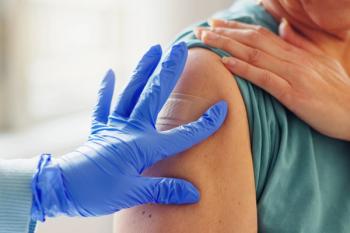
Experts collaborate on the best approaches for boosting immunization rates in populations across school campuses and shared living facilities.
Advertisement
Advertisement
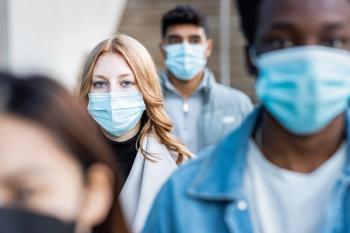
With traditional communication in the vaccine space plagued by political affiliation and skewed reporting of scientific knowledge, the need for improving immunization rates may be more dire than ever.1 As patients living on school campuses and shared living facilities, such as nursing homes and long-term care (LTC) destinations, experience the highest risk of transmitting infectious disease, a variety of targeted approaches are necessary for protecting public health outcomes across the country.2
Related to this article

Researchers assessed the extent of which vaccine fatigue translates to reduced engagement and adherence among patients.

Investigators link oversight with eroding trust in health authorities and call on future pandemic inquiries to weigh trade-offs.

Researchers evaluate peer-reviewed literature on interventions to improve vaccine uptake among thousands of US adults studied between 2010 and 2015.

Local collaborations can turn pharmacies into care-coordination hubs, but lasting results require trained teams, shared data, and sustainable payment.

Eli Lilly released phase 2b trial results comparing the investigational eloralintide-tirzepatide combo with tirzepatide 15 mg alone in patients with T2D and obesity.

To guide public health and vaccination strategies, researchers assessed a variety of factors regarding community-acquired pneumonia and its causes.

Highlighting the clinical impact of the pharmacy profession, we caught up with pharmacists of various types to get their perspectives on the evolution of pharmacy.
Advertisement
Advertisement