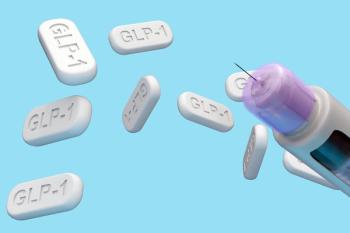
GLP-1 adherence requires integrated care teams, administrative technology, and proactive clinical support to tackle complex challenges.
With GLP-1 questions creating confusion for Medicare patients, pharmacists are becoming the trusted frontline resource, and the stakes for getting it right have never been higher.
As the Medicare GLP-1 Bridge Program continues its national rollout, pharmacists are finding themselves at the center of one of the most complex and rapidly evolving medication access conversations in recent memory. As Medicare beneficiaries attempt to reap the benefits of this new program, pharmacists may be expected to field questions about pricing, compounding, coverage options, and program eligibility from patients who trust them to cut through the noise.
“Particularly, when it comes to programs like Medicare, frankly, that generation is probably more apt to go into a pharmacy and speak to a human pharmacist,” Jay Bregman, founder and CEO of Andel, told Drug Topics®. “I think there’s quite a lot that pharmacists can do to help people understand exactly what is the best deal for them. But again, even pharmacists might not know about certain programs yet.”
In part 2 of our interview series, Bregman offers a candid and expert-level look at what the Bridge Program means for pharmacists on the ground, why the economics of GLP-1 dispensing remain a persistent challenge for independent pharmacies, and what the industry should realistically expect when the current program expires at the end of 2027.
From the logistical hurdles of refrigeration and backorder issues to the bigger systemic questions around whether GLP-1 subsidization will produce measurable Medicare savings, Bregman provides a forward-looking perspective that pharmacy professionals need to stay ahead of this program before patients come asking.
READ MORE:
Drug Topics: As the Medicare GLP-1 Bridge Program continues to roll out, how will the pharmacist’s role in managing GLP-1 medications evolve?
Jay Bregman: I think pharmacists have had a really hard time with regard to GLP-1 medications for a number of years. First, it was the shortages and trying to manage people who wanted to be on the wait list for drugs when they weren’t there. I think there’s probably a lot of questions around compounding that pharmacists have been used as a trusted resource about. And now, I think more than ever, there’s so many different things that are being said, so many different prices that are available if you search online. I think people go to pharmacists because they want somebody to help them sort all of this out.
Particularly, when it comes to programs like Medicare, frankly, that generation is probably more apt to go into a pharmacy and speak to a human pharmacist. I think there’s quite a lot that pharmacists can do to help people understand exactly what is the best deal for them. But again, even pharmacists might not know about certain programs yet.
It’s a rapidly evolving area. It’s just really, really a tough one. But I think pharmacists have a place in trying to really guide people to the best solution; not just from a drug perspective, of course, but from a financial perspective. What are the possible options that can be used to reduce the cost of the drug that their prescriber has sent?
Drug Topics: How will a nationwide, industry-impacting initiative like this impact the bottom line of community and retail pharmacies in the US?
Jay Bregman: Unfortunately, I just don’t think that GLP-1s, or any expensive brand medication necessarily, are really great investments for local independent pharmacies. They have to deal with a very rigid, specific cost structure of where they can buy from, and who and how. Unfortunately, still many of the medications require refrigeration. It’s just not something that there’s a large amount of refrigeration available, even in the New York City stores where I live. It’s the size of a beer fridge maybe in a large CVS. Oftentimes, that means that the medication is on backorder and that creates more administrative issues
Unfortunately, while we would love to say that this is a great thing, I’m not sure that the core economics have been fixed to make this really something that works super well for independent pharmacies. But what I will say also is that’s really a problem that’s more systemic with independent pharmacies, not a problem specifically with GLP-1s.
Drug Topics: What are the industry’s expectations for the future of Medicare GLP-1 coverage after the current bridge program expires at the end of 2027?
Jay Bregman: I think what—just being very kind of direct—they’re trying to achieve is a situation where the subsidization that is given out produces material results amongst the Medicare and Medicaid population.
Either one of two things will happen. That will lead to actual savings, or it will just lead to increased demand for people to stay on the medication, and it will make it much more difficult for that subsidy to be rolled back in any way.
READ MORE: