Harini Bupathi, Esq, joins to discuss the impacts of PBM network terminations and how pharmacies can recover financially.
Analyzing nearly a decade of pharmaceutical interventions in community pharmacies, researchers reveal the role pharmacists play in self-medication.
Community pharmacists play a role in ensuring the safety of patients partaking in approaches toward self-medication, according to a study in Exploratory Research in Clinical and Social Pharmacy.1 Through the dual improvement of both patient outcomes and the pharmacist’s role, researchers believe greater community pharmacist involvement in health care is necessary.
“Self-medication is a global and growing phenomenon that represents a public health problem due to antibiotic resistance, risk of dangerous [adverse] effects, interactions between drugs, and disease masking,” according to a separate study in Therapeutic Advances in Drug Safety.2 “Currently, there is not a consensus on the definition of self-medication, which makes it difficult to address this problem and therefore find an adequate solution.”
The 9-year descriptive study conducted in France highlights that the most frequent reasons for pharmaceutical interventions include requests for prescription-only medications, accounting for over a third of cases, and identifying contraindications related to a patient’s specific clinical condition. Pain management remains the primary driver of these interactions, with nearly 30% of interventions triggered by requests for analgesics like ibuprofen and paracetamol.1
READ MORE:
These common molecules, although effective, are classified as high-risk in some regions due to their potential for serious adverse effects when used improperly. By conducting structured interviews, pharmacists serve as the front line in preventing iatrogenic risks, such as paracetamol overdoses or dangerous interactions between non-steroidal anti-inflammatory drugs and anticoagulants.
The scope of self-medication is far broader than simple OTC purchases. It includes the reuse of old prescriptions, the sharing of medications among social circles, and the use of herbal products that many patients mistakenly view as harmless. This behavior is deeply rooted in human history, evolving from ancient self-care practices into a complex modern phenomenon where easy access to digital information often bypasses professional expertise.2
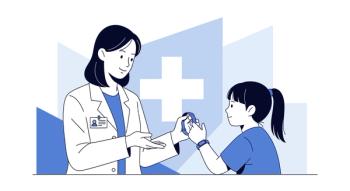
Because of this complexity, the pharmacist’s role as a communicator and collaborator is essential. They are the accessible, trusted members of the community health team capable of screening for specific conditions and referring patients for medical consultation when symptoms exceed the limits of pharmacy advice. The latter is a step taken in nearly 40% of the study’s documented cases.1,3,4
In high-stakes scenarios, the need for pharmacist-led safety monitoring is even more pronounced. As care shifts from hospitals to outpatient settings, patients living with chronic comorbidities often face the dangers of polypharmacy and drug-drug interactions, according to an article in Studies in Health Technology and Informatics.5
The model of medication self-management, guiding patients to fill, understand, organize, take, monitor, and sustain their therapy, provides a framework where pharmacists can intervene to prevent medication errors before they cause harm.
Furthermore, the profession is at a crossroads regarding its clinical scope. Programs like the ASHP Practice Advancement Initiative 2030 aim to expand pharmacists' responsibilities in patient care and leadership in safe medication use.6
In regions like Idaho and Alberta, pharmacists have already moved toward independent prescribing for common ailments, a trend that enhances health care access and reduces bottlenecks. Schools of pharmacy have also responded by making OTC education a cornerstone of their curriculum, ensuring that today's graduates are highly trained to manage patient safety risks.1,4,6
The high acceptance rate of pharmacist recommendations, exceeding 90% in recent data, demonstrates that patients value their expertise. As a global public health problem, self-medication requires a unified definition and robust pharmacovigilance programs centered in the community pharmacy.1,2
By identifying misuse, promoting health, and ensuring that self-care remains responsible, pharmacists remain the essential safeguard for patient safety in an increasingly complex medical landscape.1,3
“These findings underscore the central role of community pharmacists as essential first-line healthcare professionals in ensuring medication safety within the self-care context. Greater institutional recognition of pharmaceutical interventions remains an important challenge,” concluded the authors.1 “Their integration as a quality indicator of community pharmacy practice could further strengthen their contribution to patient care and support the continued evolution of the profession.”
READ MORE: