





































Medical organizations challenge the government's revised childhood vaccine schedule, urging Congress for immediate oversight and action to protect public health.
Medical organizations challenge the government's revised childhood vaccine schedule, urging Congress for immediate oversight and action to protect public health.

Fremanezumab significantly reduces migraine days in children and adolescents, offering a vital preventive option for managing episodic migraines.

This marks the disease’s very first treatment option for pediatric patients looking to manage Menkes and its symptoms.

Mavacamten shows promise in treating adolescent obstructive hypertrophic cardiomyopathy, significantly improving heart function and safety in a pivotal trial.
US adults were surveyed about their understanding of shared clinical decision-making following the HHS overhaul of childhood vaccines.
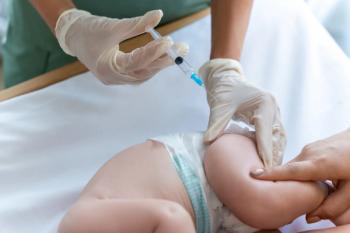
Although several vaccines are still being recommended, a variety of those protecting against respiratory viruses and other diseases have been narrowed on child vaccine schedules.

Amid a lack of research on their specific perspectives, women with epilepsy share their experiences with pregnancy and reproductive health.
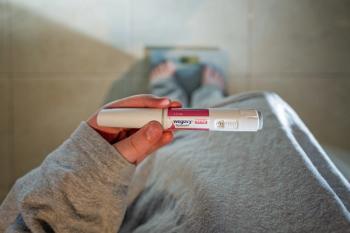
Pediatric obesity rates surge, prompting a debate on GLP-1 agonists versus traditional treatments, highlighting efficacy, risks, and long-term implications.

This announcement is another move stemming from the federal government's skeptic views on vaccine technology and its efficacy among US patients.

Researchers want to bolster evidence regarding the known link between maternal mental health and childhood nutritional status.

The CDC states that the claim “vaccines do not cause autism” is not evidence based because studies have not ruled out the possibility that infant vaccines cause autism.
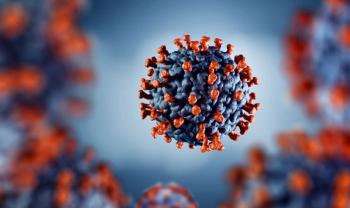
A study reveals first-trimester SARS-CoV-2 infection increases neonatal risks and highlights disparities in testing among pregnant women across demographics.

Researchers address the potential association of access to maternal care with the increased risk of infant mortality.

Investigators analyze COVID-19 positivity trends in New York City, revealing disparities among children and racial groups during the Omicron variant surge.

Due to humans’ physiologically premature nature, researchers explore maternal psychological distress and childhood neurodevelopment.
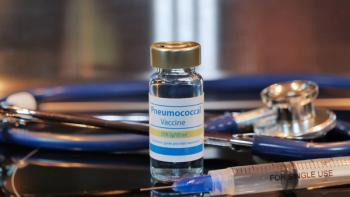
Pneumococcal conjugate vaccines significantly reduce pneumonia incidence in children, but safety concerns warrant further investigation in future studies.
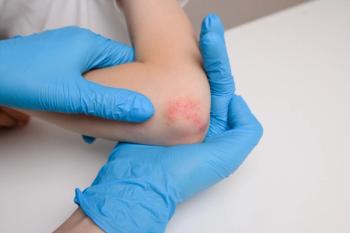
This marks the first and only IL-23 approval for these indications in pediatric populations.
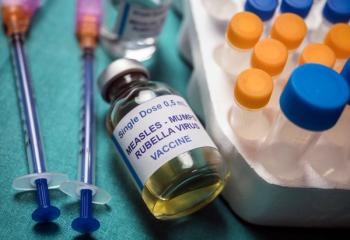
Amid recent measles outbreaks in Texas and Ohio, researchers aim to understand MMR vaccine coverage following postelimination outbreaks throughout the country.

As part of this announcement, the administration launches initiatives across the National Institutes of Health, the FDA, and the Center for Medicare & Medicaid Services.
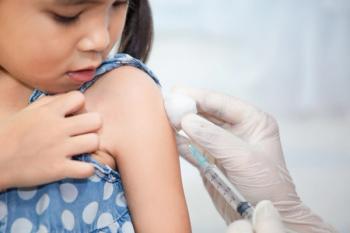
However, a large majority of parents in the US believe routine childhood vaccines, such as the measles, mumps, and rubella vaccine and polio vaccine, are safe and important.

Merck’s pneumococcal 21-valent conjugate vaccine was noninferior to the pneumococcal 23-valent polysaccharide vaccine for all 12 shared serotypes and superior to 9 unique serotypes.

Pharmacists navigate complex immunization challenges and address parental concerns and misinformation while advocating for streamlined vaccine access and adherence to evolving guidelines.

Laura Knockel, PharmD, BCACP, emphasize the importance of evidence-based recommendations and reliable resources for parents.
Childhood immunization guidance in the US faces confusion as the AAP and CDC diverge on COVID-19 vaccine recommendations, impacting parents and providers.
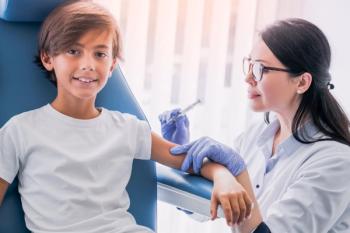
Confusion arises as health organizations diverge on COVID-19 vaccine recommendations for children, highlighting the need for clear guidance and support.