













































Clearance expands on initial clearance from January 2022.
Clearance expands on initial clearance from January 2022.

Children with atopic dermatitis will soon have more options for treatment, as clinical trials show promising results.
A variety of nonprescription treatments, supplements, and patches can alleviate pain for children and adolescents.

Further evidence-based antidepressant treatments are needed for children and adolescents with depression.

The FDA has granted Emergency Use Authorization EUA of the Jynneos vaccine for pediatric patients <18 years who are at high risk of monkeypox infection.

Pharmacists’ body of knowledge is crucial in helping pediatric and adult patients select the right medication to treat their ADHD.

Evidence of the relationship between probiotics and antibiotics is lacking.
Janssen Pharmaceutical Companies of Johnson & Johnson announced the approval of ustekinumab as a new treatment option for patients aged 6 years or older with active psoriatic arthritis.

There are numerous methods of contraception available for adolescents.

Nonstimulant drugs and even nonmedication options are available for use.
An expert offers considerations and developmentally appropriate interventions to promote high-quality, patient-centered pediatric infusion care.

The effect of acne is more than skin deep.
The FDA approved the pneumococcal 15-valent conjugate vaccine for the prevention of invasive pneumococcal disease in infants and children.
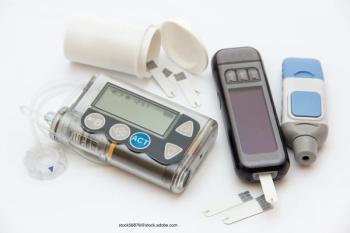
An analysis of the SEARCH for Youth in Diabetes describes historic and contemporary disparities in insulin pump use for pediatric type 1 diabetes based on racial/ethnic background, household income, and insurance type.
The FDA announced the EUA of both Moderna and Pfizer-BioNTech COVID-19 vaccines for use in children aged 6 months and older.

Prenatal use of the psychoactive drug benzodiazepines is not a major risk factor for altered neurodevelopment in early childhood, despite crossing the human blood-placenta barrier.
Sanofi and Regeneron Pharmaceuticals, Inc announced the FDA approval of dupilumab. It is now the first biologic medicine for children from 6 months to 5 years old with moderate to severe atopic dermatitis.

A survey saw that of teenagers who sought care in the ED and were prescribed outpatient treatment, fewer than half who received an STI diagnosis filled their prescriptions.

GSK plc announced FDA approval of the PRIORIX vaccine for prevention of measles, mumps, and rubella.

Pediatric patients taking 4 or more medications were more likely to experience medication errors.
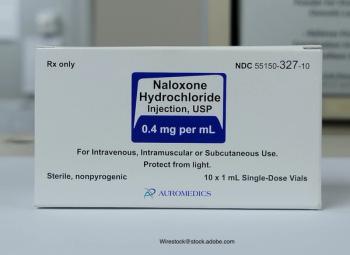
Current data about naloxone use in pediatric populations is extrapolated from adult studies.

High-dose haloperidol and aprepitant were both associated with emergency department discharge.
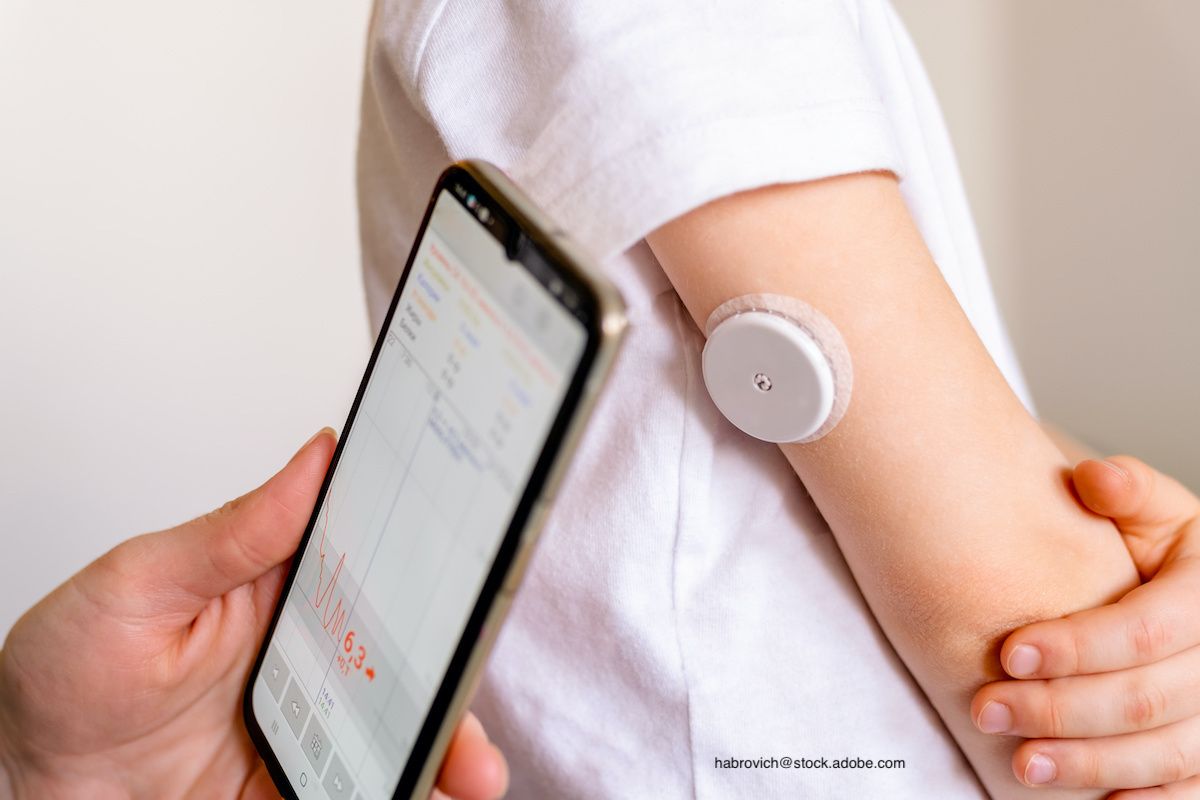
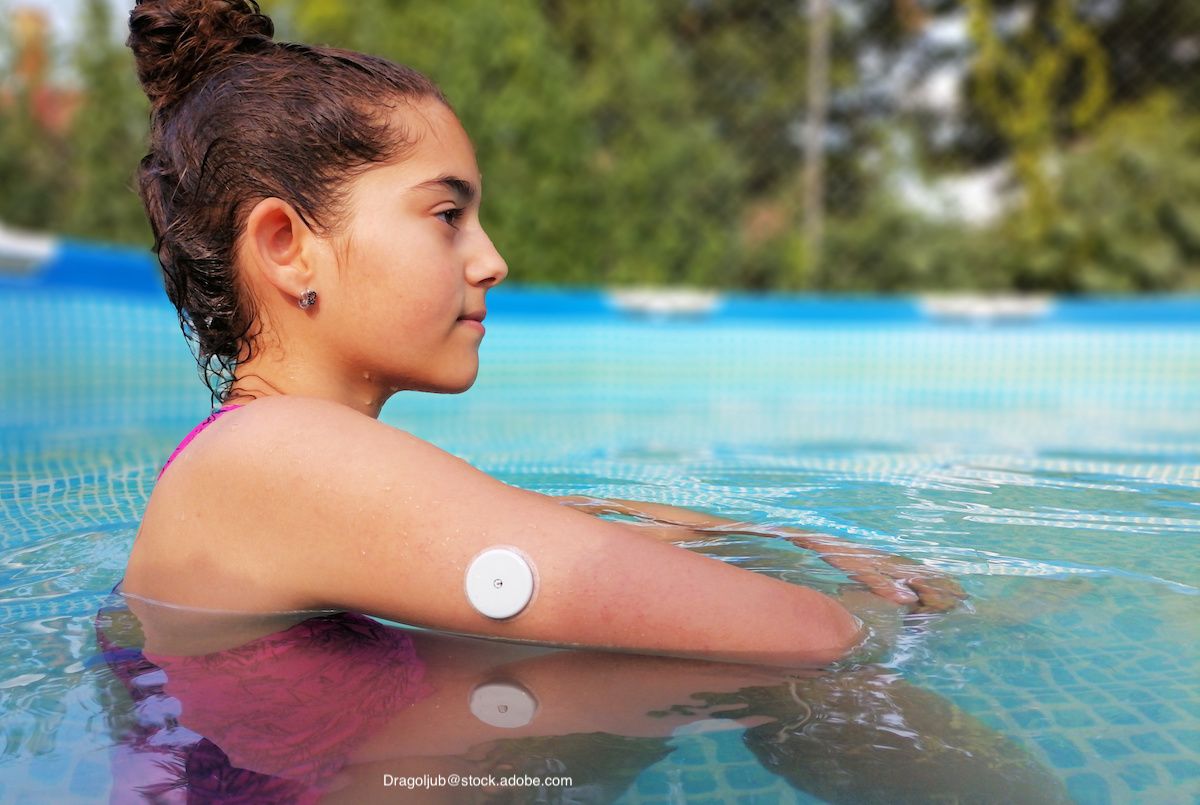
The FreeStyle Libre 3 system, billed as the world's smallest, thinnest, and most accurate 14-day glucose sensor, received FDA clearance on May 31 and is expected to be available in participating pharmacies later this year.

While antibiotic dosing was correct, therapy duration was frequently inappropriate.
Pfizer-BioNTech reports strong immune response, high efficacy, and favorable safety in third dose of the COVID-19 vaccine.