

Patients included in the study were aged 6 to 17 years with attention deficit/hyperactivity disorder (ADHD).
Ashley Gallagher is an assistant managing editor at Drug Topics®. She graduated in 2020 in journalism and mass communications and received her master’s degree in 2025 in digital journalism from St. Bonaventure University. Previously, she worked as a pharmacy technician for a retail chain.
Patients included in the study were aged 6 to 17 years with attention deficit/hyperactivity disorder (ADHD).

Pharmacists can substitute ustekinumab with the biosimilar at the pharmacy level, depending on their state laws.

V116 is noninferior to 23-valent pneumococcal polysaccharide vaccine (PPSV23) for all 12 common serotypes and superior to 9 unique serotypes.

Approximately 67% of adults in the US know that vaccines do not cause autism in children, declining significantly from 74% in 2021.

However, there is no association between cortisol and tau pathology.
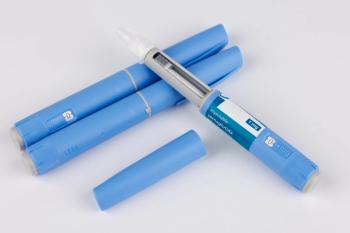
Glucagon-like peptide-1 receptor agonists have been associated with improvements in quality of life (QOL), restrained eating, and emotional eating behavior.

Novavax’s COVID-19 vaccine has been available in the US under emergency use authorization since July 2022.
Investigators note that the long-term effects of attention deficit/hyperactivity disorder (ADHD) medication for children remain lacking.

Dihydroergotamine (Brekiya) is an acute treatment to help relieve migraine attacks, and it can come in nasal sprays, injections, and intravenous infusions.

The investigators hope to pursue a human vaccine in order to improve upon the already existing vaccines.

Investigators report that patients experience weight loss with a reduced weekly dosage of the glucagon-like peptide-1 (GLP-1).

However, investigators find many gaps remaining in care for patients in relation to race, ethnicity, and disabilities.

Investigators also find that patients diagnosed with type 1 diabetes later in life do not have a better prognosis compared to those diagnosed earlier.

Investigators also found that nocturnal hypoglycemia is a strong predictor of daytime hypoglycemia.

Pharmacist-led interventions improve medication adherence compared with the usual care for patients with heart failure and type 2 diabetes.

Patients with psychosis, depression, and anxiety exhibit higher rates of vaccine hesitancy.
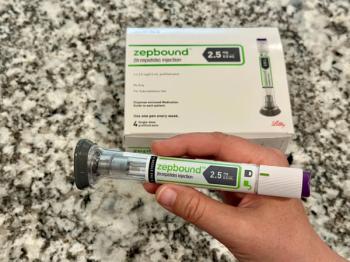
Tirzepatide (Zepbound) demonstrated superiority compared to semaglutide (Wegovy) across the primary end point and 5 key secondary end points.

Investigators find that unhealthy eating and inadequate or excessive sleeping duration could contribute to developing diabetic nephropathy.

The Summit provides a rare opportunity for professionals to dive deep into emerging healthcare technologies and treatment models.

Angiotensin-converting enzyme inhibitors have been known to be more effective in decreasing the incidence of major adverse cardiac events for patients with diabetes.

Guselkumab is the first and only IL-23 inhibitor to demonstrate robust data as a fully subcutaneous regimen.

Patients often have anxiety about potential adverse effects, and experiencing adverse effects can affect patient adherence.

Selarsdi is interchangeable for all indications of ustekinumab, including treatment of psoriatic arthritis, plaque psoriasis, Crohn disease, and ulcerative colitis.

The use of electronic prescribing can also bridge the gap in clinical history, which can help pharmacists be aware of adverse drug reactions and medication interactions.

Vaccination changes serotype distribution from vaccine-type serotypes to nonvaccine-type serotypes.

The investigators of a study also found that patient satisfaction with long-acting injectable antiretroviral therapy was equally as high when comparing home and clinic administration.

Shingle vaccination is recommended for adults 50 years and older and for adults 19 years and older who have a weakened immune system due to disease therapy.

As pharmacy schools continue to deal with recruitment challenges, the pharmacy workforce has its own set of challenges, including interest in nontraditional roles.

The Inflation Reduction Act's drug price negotiations could lead to reimbursement complexities, potential pharmacy closures, and reduced patient access to medications, particularly specialty drugs.
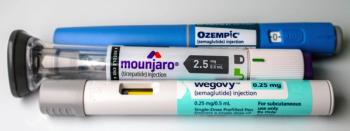
Although the market is expected to continue to become more popular, compounding pharmacies will no longer be allowed to manufacture these medications, as shortages have been listed as resolved.