

This approval offers pediatric patients and caregivers the first subcutaneous option that can be administered at home.
Ashley Gallagher is an assistant managing editor at Drug Topics®. She graduated in 2020 in journalism and mass communications and received her master’s degree in 2025 in digital journalism from St. Bonaventure University. Previously, she worked as a pharmacy technician for a retail chain.
This approval offers pediatric patients and caregivers the first subcutaneous option that can be administered at home.

In a real-world, 6-month analysis, glucagon-like peptide-1 programs with obesity telemedicine behavioral programs resulted in benefits to weight loss and blood pressure.

When compared with adults 45 years and older, those 18 to 44 years are less likely to receive treatment or achieve target goals for cardiometabolic risk factors.

Kevin Cleveland, PharmD, discusses how pharmacists are uniquely positioned to directly interact with patients, making them vital in addressing vaccine misinformation.
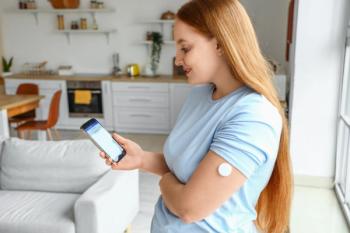
Investigators assessed continuous glucose monitoring with behavioral intervention for patients with type 1 diabetes.

Heidi Polek, RPh, EMBA, discusses how pharmacies must adopt strategic approaches to maintain financial health and continue providing patient care.

Emily Endres, BSPS, and Todd Sega, PharmD, MBA, discuss pressures that pharmacies are currently facing, including reimbursements, competition, and patient needs.

Laura Knockel, PharmD, BCACP, expresses concerns about how vaccine recommendations are being communicated, noting a shift away from traditional, transparent discussions to less formal channels such as social media.

Cherokee Layson-Wolf, PharmD, BCACP, FAPhA, highlights the critical role pharmacists play in navigating vaccine recommendations and supporting patient understanding.

Deanna Tran, PharmD, BCACP, FAPhA, emphasizes community outreach, especially in areas with high vaccine hesitancy, as a crucial strategy for maintaining public trust in vaccination programs.

Bullous pemphigoid is a rare skin condition that causes large blisters filled with fluids that typically occur near skin creases, such as the upper thighs and armpits.

Pharmacists stress that rebuilding trust is challenging and requires careful, empathetic communication.

Investigators of a study used a systematic review and meta-analysis to evaluate the risk of major adverse cardiac events related to cannabis by using real-world data.
Alkaptonuria affects approximately 1 in 250,000 to 1 million people in the United States.

The drug could also reduce chronic kidney disease when combined with insulin therapy.

In the study, the composition of the gut microbiome could also be affected by food insecurity, a known social determinant of health.

The program will include branded obesity glucagon-like peptide-1 medications, which will have a transparent monthly cost.

Investigators also found that a change in brain functional network connectivity could also be associated with type 2 diabetes risk.
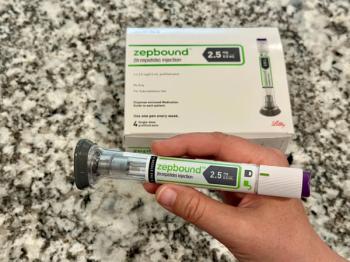
Providers can prescribe the 12.5 mg and 15 mg vials of tirzepatide starting July 7, with shipments beginning in early August.

This study is the first to compare 2 biologics for patients with chronic rhinosinusitis with nasal polyps and coexisting asthma.

In 2023, drug overdose deaths sustained declines, but there are still disparities that need to be addressed to continue to decrease these numbers.

The future of pharmacy services is not just about dispensing medications but about providing comprehensive and accessible clinical care that meets evolving patient needs.

Polypharmacy and potentially inappropriate medications are cited as concerns in older adults who require long-term care, especially for those with comorbidities or at multiple institutions.

For women in rural populations, access to education and care is limited, causing disparities in diabetes care.

Investigators find that patients with moderate weight loss or those who were weight resistant still had improvement in cardiometabolic health.

Investigators find that the risk for new-onset diabetes is especially prominent for patients aged 20 to 29 years.

Noel Brewer, PhD, states that the Advisory Committee of Immunization Practices will need to quickly work to regain trust.

PET and autopsy assays suggest that Alzheimer disease (AD) and non-AD tau pathologies could be the underlying cause of some late-life mood disorders.

The conflicting information and abrupt changes are likely to contribute to a lack of trust and confidence in health care, Lauren Angelo, PharmD, MBA, said.

The move follows the announcement of updated COVID-19 vaccine recommendations, which was announced on X.