

Benjamin Jolley, PharmD, presents on recent developments regarding pharmacy benefit manager reform on the state and federal levels.
Benjamin Jolley, PharmD, presents on recent developments regarding pharmacy benefit manager reform on the state and federal levels.

TrumpRx offers discounted cash drug prices like a coupon card but skips PBM reform and raises concerns about deductible gaps and added pressure on independent pharmacies.

Community pharmacies turn proximity into health equity by redesigning workflows for opioid use disorder and preexposure prophylaxis.
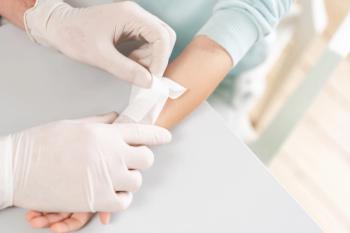
Wounds are defined as disruptions of tissue integrity that can occur in the skin, mucous membranes, or internal organs, often accompanied by pain and infection risks.

Travis Wolff, PharmD, BCACP, presents on the current landscape of medical billing in pharmacy practice and the steps pharmacists can take to realize a significantly higher profit margin.

Independent pharmacies boost retention with clear hiring expectations, structured onboarding, weekly check-ins, and real growth opportunities.

Pharmacists boost chronic disease outcomes by adding quick nutrition screening, counseling, and drug-nutrient checks to everyday visits.

Orforglipron is the first new molecular entity to be cleared under the FDA Commissioner's National Priority Voucher pilot program.

In part 2, Sylvie Stacy, MD, MPH, explores the current evidence regarding GLP-1s for SUD, the work still necessary in the future of this space, and where pharmacists fall within it all.

This issue discusses independent pharmacies retaining talent, navigating TrumpRx and MFN drug pricing shifts, and confronting pharmacy benefit manager power to protect community care.

The intersection of nutrition and pharmacy is a critical, yet often underutilized, frontier in modern health care.

This study indicates that stopping the medication is noninferior to continuing it indefinitely in terms of preventing death, recurrent heart attacks, or hospitalizations.

This benefit was primarily driven by significant reductions in nonfatal heart attacks and the need for revascularization procedures.

The study demonstrated that providing a combination of produce prescriptions, dietitian coaching, and artificial intelligence-optimized encouragement led to improved cardiovascular outcomes.

The biosimilar is approved for all indications of the reference product, including the treatment of postmenopausal women with osteoporosis at high risk for fracture.

Ashley Chinchilla, PharmD, BCACP, presents on the persistence of vaccine hesitancy among patients and the powerful tools used to address it.
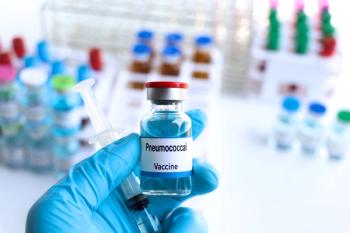
As population-level introduction of pneumococcal conjugate vaccines has led to an increase in invasive disease, the development of higher-valency vaccines has become a primary solution.

Stefanie Ferreri, PharmD, BCACP, FCCP, FAPhA, presents on the increase of misinformation circulating among the public and how pharmacists can combat this phenomenon.

Susan Cornell, PharmD, CDCES, FAPhA, FADCES, and Staci-Marie Norman, PharmD, CDCES, FAPhA, present on updates to the ADA Standards of Care in Diabetes.
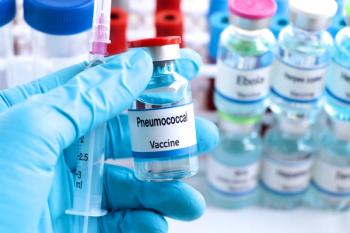
Serotype 19F resurges despite PCVs, raising invasive disease risk in older adults; pharmacists track immune evasion, variants, and boost adherence.

The FDA approves removing the age requirement for epinephrine nasal spray (neffy) 1 mg, effectively allowing all children and adults who weigh 33 pounds.

These guidelines serve as a comprehensive guideline that prioritizes earlier intervention through lifestyle optimization and lower treatment targets for those at highest risk.

Awiqli represents a significant shift in the treatment landscape, potentially reducing the burden of basal insulin administration from 365 injections a year to 52.

A new study suggests that even though the profession is at a crossroads, the path toward improvement depends heavily on the setting in which a pharmacist practices.

Gretchen Garofoli, PharmD, BCACP, CTTS, FAPhA, provides her perspective on the back-and-forth stemming from the federal government regarding US vaccine guidelines.
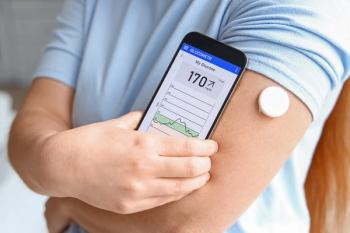
New Glycemia Risk Index data shows continuous glucose monitoring cuts hypo- and hyperglycemia risk in type 1 diabetes, giving pharmacists a faster way to estimate control.
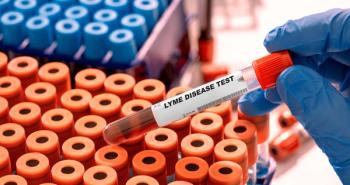
Phase 3 data show a 6-valent Lyme vaccine cuts confirmed cases by 73%, paving the way for 2026 filings and new prevention options.

Mark Garofoli, PharmD, BCGP, CPE, CTTS, dives deeper into recent comments from the FDA commissioner and what they mean for OTC medication access.

New study links basal‑prandial insulin to healthier remnant cholesterol in type 2 diabetes, spotlighting hidden cardiovascular risk beyond low-density lipoprotein and A1c.

With efforts to further scale naloxone access in US community pharmacies, researchers explore the implementation of a hub-and-spoke distribution model.