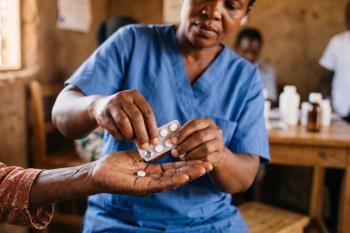
With the inherent value medications provide in the greater health care system, Jennifer Hammons, PharmD, DrPH, argues that rural pharmacies deserve the proper recognition.
With efforts to further scale naloxone access in US community pharmacies, researchers explore the implementation of a hub-and-spoke distribution model.
A scalable hub-and-spoke distribution model is proving to be an effective blueprint for expanding community naloxone access, according to a study in the Journal of the American Pharmacists Association.1
“Naloxone distribution efforts originated as unfunded, peer-led harm reduction efforts exemplified by organizations such as the Chicago Recovery Alliance,” wrote the authors of the study. “These grassroots initiatives, led by people who use drugs and community harm reduction advocates, demonstrated the feasibility and lifesaving potential of community-based naloxone distribution.”
Pharmacists are stepping into a pivotal role as the health care landscape shifts toward a decentralized hub-and-spoke model to combat the persistent opioid crisis. This innovative strategy, highlighted by the HEALing Communities study in Ohio, leverages a central hub for procurement and training while utilizing spokes like community pharmacies and local organizations to reach high-risk populations.1
By formalizing these networks, public health officials hope to reverse a concerning trend where national naloxone dispensing rates at retail pharmacies declined to 0.4 per 100 persons in 2024, down from a peak of 0.6 in 2023. Despite this dip, more than 1.5 million naloxone prescriptions were dispensed in 2024, demonstrating the massive scale of pharmacy-led intervention, according to the CDC.2
READ MORE:
The success of these community networks often hinges on legislative support that empowers pharmacists with independent prescriptive authority. Research from the FDA indicates that in states where pharmacists are granted the power to prescribe naloxone—rather than just dispense it—there is a significant 53% increase in the number of prescriptions filled.3
This shift turns the pharmacy into a hub of activity rather than just a retail spoke, allowing for immediate intervention without a separate physician’s visit.
In Ohio, legislative changes in 2020 further streamlined this process by removing the requirement for a terminal distribution of dangerous drug license for certain service entities, allowing non-health care providers to assist in distribution while pharmacists provide the clinical oversight and protocols.1
Adapting the hub-and-spoke model to public health mirrors its evolution in the modern corporate world. Just as companies use a centralized office hub to optimize interaction while offering flexible spoke locations for employee productivity, health systems are using this model to meet patients where they are—whether that is a pharmacy, a place of worship, or a recovery center.1,4
This behavior-based design allows the health care system to be more mobile and personalized, ensuring that life-saving medication is accessible in various community zones. By leveraging existing infrastructure, the
A survey of over 8000 individuals from the Addiction Policy Forum found that higher levels of stigma are directly associated with lower support for naloxone access.5
While health care professionals show the highest levels of endorsement for naloxone at 90.9%, other sectors like sales and finance report much lower support, often driven by underlying stereotypes and prejudice. Pharmacists, as highly accessible frontline providers, are uniquely positioned to combat this stigma through education and clinical expertise.1,3,5
The HEALing Communities Study found that discussions facilitated by trained experts can effectively challenge stigmatizing beliefs within a community, fostering a more compassionate environment for overdose prevention.1
The geographic variance in naloxone access remains a challenge for the profession to address. CDC data shows a wide disparity in dispensing rates across the country, ranging from a high of 1.3 per 100 persons in Arkansas to a low of 0.1 in Minnesota and South Dakota.2 By institutionalizing the hub-and-spoke model, states can better coordinate these efforts and ensure that even rural or underserved areas have a reliable “spoke” for medication access.1
The integration of flexible legislation, technological coordination, and the removal of professional barriers will allow pharmacists to lead the charge in reducing opioid-related mortality through a more efficient, community-centered distribution network.1,4
“These findings demonstrate that streamlined policies reducing access barriers are essential for naloxone expansion and that sustainable overdose prevention requires collaboration between public health systems, community organizations, and residents,” concluded the authors of the current study.1 “The hub-and-spoke model provides actionable guidance for jurisdictions seeking to institutionalize naloxone distribution within existing public health infrastructure and informs future policy decisions aimed at reducing opioid-related mortality.”
READ MORE:
Ready to impress your pharmacy colleagues with the latest drug information, industry trends, and patient care tips? Sign up today for our