A claims analysis of 2031 patients aged 10 to 17 years found that nutrition counseling was infrequent and often began months after treatment started.
Susan Cornell, PharmD, CDCES, FAPhA, FADCES, and Staci-Marie Norman, PharmD, CDCES, FAPhA, present on updates to the ADA Standards of Care in Diabetes.
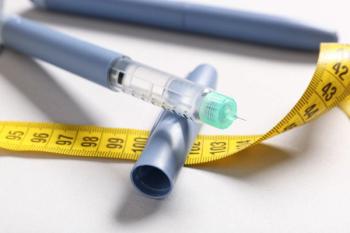
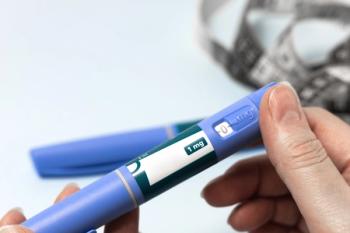
The American Diabetes Association’s (ADA) 2026 guidelines reflect a shift in diabetes care because medications originally developed to lower blood sugar—particularly glucagon-like peptide-1 receptor agonists (GLP-1RAs) and gastric inhibitory polypeptide (GIP)/GLP-1 agents—have shown significant benefits for the heart, kidneys, liver, and other indications.1
Combined with new evidence supporting earlier use of continuous glucose monitoring (CGM) and better weight management tools, the focus expanded from simply controlling blood sugar toward treating the whole patient and reducing complications across multiple disease states and comorbidities.
“I call this the year of the GLP-1s, because they've just had a shining moment this year with how much we're learning about them and where they can be helpful,” pronounced Staci-Marie Norman, PharmD, CDCES, FAPhA, pharmacist at Martin’s Pharmacy in South Bend, Indiana, in her presentation at the American Pharmacists Association 2026 Annual Meeting and Exposition.1
Norman has effectively declared this the “Year of the GLP-1RA,” as these agents have transitioned from secondary options to foundational therapies designed to protect the heart, kidneys, and liver. This shift represents a broader movement toward comprehensive, earlier care that looks beyond blood glucose levels to address the patient as a whole.
READ MORE:
For pharmacists, this evolution means a significant expansion of duties, moving from dispensing medications to providing technical education and managing a complex array of comorbidities.
A cornerstone of the new standards is the recommendation that continuous glucose monitoring (CGM) be initiated at the time of diagnosis for all patients, including children, adolescents, and those with either type 1 (T1D) or type 2 diabetes (T2D).2,3
Pharmacists are now envisioned as the primary site for this technical education, helping patients load apps, share data, and manage skin reactions to adhesives.2 Furthermore, automated insulin delivery systems are now the preferred delivery method for those on insulin, as they integrate CGM data to modulate delivery in real time, significantly reducing the daily burden of self-management.1-3
The 2026 guidelines elevate obesity management to a primary treatment goal, recommending annual screenings that go beyond body mass index to include waist-to-hip ratios and bioelectrical analysis. Although any weight loss is beneficial, a 10% sustained reduction can lead to disease-modifying effects and even remission.1
Pharmacists must navigate the nuances of pharmacotherapy, as GLP-1RAs and dual GIP/GLP-1 agonists like tirzepatide (Mounjaro, Zepbound) have become the preferred agents for patients with T1D and T2D with obesity—provided they are monitored for hypoglycemia and ketoacidosis.1,3
Managing comorbidities like heart failure and chronic kidney disease (CKD) now occurs irrespective of a patient’s A1c level.3 While sodium-glucose cotransporter 2 (SGLT2) inhibitors remain vital for reducing heart failure hospitalizations, the new standards incorporate GLP-1s for symptom improvement in obesity-related heart failure, backed by clinical trials such as SUMMIT and STEP-HFpEF.1,3
In advanced CKD, where SGLT2 inhibitors lose glucose-lowering efficacy at an estimated glomerular filtration rate below 45, GLP-1s like semaglutide (Wegovy, Ozempic, Rybelsus) are preferred to slow disease progression.
The reach of these therapies extends into liver health, where semaglutide is now FDA-approved for metabolic dysfunction-associated steatohepatitis.
Pharmacists also play a key role in long-term management for organ transplant recipients, where GLP-1s offer significant cardiometabolic benefits over insulin, once the immediate postoperative period has passed. Emerging evidence even suggests these medications may reduce lower-extremity amputations, highlighting their systemic impact amid emerging evidence.1,3
Finally, pharmacists must address the practical hurdles of cost and access. With wholesale prices for newer agents often exceeding $1000 monthly, screening for financial barriers is essential to ensure adherence. From prescribing glucagon to providing counseling for those on tirzepatide, the pharmacist is now central to a multifaceted, person-centered approach within diabetes care, according to the ADA Standards of Care.3
“The new guidelines really are moving beyond just glucose control. We're looking at the heart, the liver, the eyes, the nerves, the heart,” concluded Norman’s portion of the presentation. “We are looking at everything, and we need to be screening earlier for these things. We have a lower blood pressure target that we're going to be focused on, and we're expanding the use of those GLP-1s and GIP/GLP-1 [agents].”
READ MORE:
Pharmacy practice is always changing. Stay ahead of the curve: Sign up for our