

Updated charter shifts committee governance to the CDC director and drops fixed meeting schedules.
Updated charter shifts committee governance to the CDC director and drops fixed meeting schedules.

New analyses from the MAESTRO program and real-world studies bolster the evidence base for the metabolic dysfunction-associated steatohepatitis therapy.

A new sibling-matched cohort study challenges earlier observational data, offering pharmacists evidence-based reassurance to share with pregnant patients.

In part 2 of our interview series with Lisa Lavin, she explored the capabilities of her company’s Home Health Hub and how it’s transforming health care access for rural populations.

Coadministering COVID-19 and influenza vaccines did not raise the 90-day risk of serious or clinically meaningful adverse events.
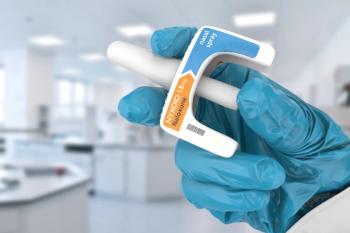
Across pharmacy type, rurality, and naloxone product type, researchers explore the changes in product availability within North Carolina from 2023 to 2025.

As cases approach the full-year 2025 total, declining vaccination coverage and vaccine hesitancy put pharmacists on the front lines of a public health crisis.

Researchers explore a variety of clinical services in addressing atrial fibrillation, cardiovascular risk, and social determinants of health.

Health care is increasingly driven by data, quality measurement, accountability, and value-based care models.

The approval extends risankizumab to children 6 years and older and introduces a new weight-based 55 mg prefilled syringe.

Independent pharmacies turn software into profit through smarter purchasing, real-time benefits, medical billing, and OTC prompts that boost margins and care.

Pharmacists turn summit insights into decisive change, boosting independent pharmacy leadership, clinical care, and readiness for 2026 reform.

Machine learning can uncover immune responses to conserved pneumococcal protein antigens.
Community pharmacists help men overcome care avoidance with walk-in screenings, private consults, and outreach.

The major retail entity owns and operates pharmacies across many grocery stores, including Giant, Stop & Shop, Food Lion, and more.

Bryan Wheeler, PharmD, discusses how the Medicare GLP-1 Bridge program works and what it means for independent pharmacy operations.

Direct-to-patient drug programs and telehealth reshape pharmacy, and community pharmacists are an essential component.

Pharmacists leverage CGM and automated insulin delivery to personalize diabetes care, prevent errors, and expand equitable access to technology.

AAP challenges HHS as ACIP stalls, leaving pharmacists and health care in limbo on vaccine coverage and respiratory recommendations.

Precedence Research announces a report regarding growth in the market size and trends of controlled substances in the US.

Pharmacies boost profits by embedding clinical service alerts into dispensing workflows and improving documentation.

This approval provides pharmacists with an option for patients whose levels remain refractory to lifestyle and standard medication.

The first generic rifapentine expands affordable treatment for active and latent tuberculosis.

A drug already used to protect the kidneys may now offer a broader shield.

The pharmacy profession is evolving, and for some pharmacists, that evolution is leading them far beyond the prescription counter and into the world of functional medicine.

Retracted vaccine-autism study exposes statistical flaws, reigniting hepatitis B birth-dose debate and highlighting why pharmacists must rely on evidence-based data.

Independent pharmacies boost margins with business insights and smart automation, shifting from dispensing to sustainable growth.
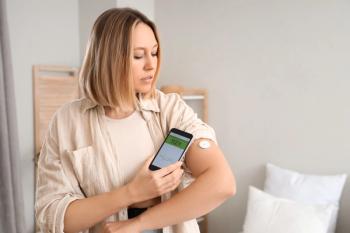
Diabetes technology shifts to continuous glucose monitoring, automated insulin delivery, and connected pens, empowering pharmacists to guide safer care.

Artificial intelligence (AI) is making its way into virtually every corner of the health care industry, and pharmacy benefit managers are no exception.
Independent pharmacies can profit from immunizations, boosting loyalty and OTC sales with smart vaccine purchasing and efficient workflows.