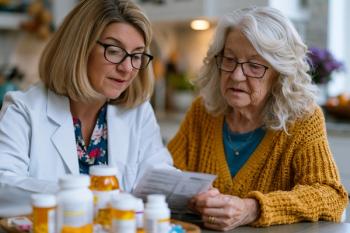
Pharmacist and public health expert Jennifer Hammons, PharmD, DrPH, discusses pharmacy as essential infrastructure amid rural pharmacies persistently being overlooked.
Across pharmacy type, rurality, and naloxone product type, researchers explore the changes in product availability within North Carolina from 2023 to 2025.
Following the official approval of OTC naloxone products, availability and out-of-pocket (OOP) patient costs have improved significantly between March 2023 and January 2025, according to a JAPhA study.1 However, when compared with their retail industry counterparts, independent pharmacies demonstrate a significant need to boost naloxone access and decrease OOP costs for their patient populations.
“Over the past 25 years, naloxone has emerged as a critical lifesaving overdose antidote,” the authors of the Translational Research study said.2 “Public health advocates and community activists established early methods for naloxone distribution to people who inject drugs, but a legacy of stigmatization and opposition to universal naloxone access continues to limit the drug’s full potential to reduce opioid-related mortality.”
The longitudinal data indicates that North Carolina has made strides in integrating naloxone into the community pharmacy workflow, yet the experience of a patient varies wildly depending on the sign above the door. Adjusted mean OOP costs for the medication plummeted from $98 in early 2023 to $56 by January 2025, a shift largely driven by the arrival of OTC options.1
READ MORE:
Despite this downward trend, a persistent access gap separates large retail chains from independent community pharmacies. Researchers found that independent pharmacies were approximately $14 more expensive on average and possessed significantly lower odds of having the product ready for same-day pickup compared with chain locations.
This disparity is not merely a local anomaly but reflects a broader national trend where pharmacy type, rather than rurality, serves as the primary predictor of naloxone availability. National claims data reveals that counties with a higher proportion of large national chains dispense naloxone at significantly higher rates than those relying on independent providers.3,4
For independent pharmacists, the barriers are often structural.
Lacking the immense bulk purchasing power of national chains, these smaller businesses frequently face higher wholesale costs and tighter margins, which are inevitably passed on to the consumer. This economic reality is particularly sharp in rural areas where independent pharmacies are often the sole providers, meaning the most vulnerable populations may face the highest financial hurdles.1,4
A surprising finding in the North Carolina study was that generic naloxone was actually more expensive on average than brand-name products, costing $59.83 versus $49.23. This pricing may stem from pharmacy staff quoting prescription-based prices for generics rather than the lower OTC rates, highlighting a critical need for staff training and price transparency.1
Nationally, although the shift from brand name Narcan to generic formulations has been substantial since 2021, the retail pharmacy landscape remains complex for patients. Total naloxone prescriptions dispensed at US retail pharmacies rose from roughly 917,000 in 2019 to over 2.1 million in 2023, yet this volume still falls short of the saturation levels needed to fully combat the evolving drug supply.5
The urgency for pharmacists to address these gaps is underscored by the rapidly changing illicit drug market. The rise of synthetic opioids like fentanyl and high-potency nitazenes, which can be 40 times more potent than fentanyl, means that immediate access to naloxone is more vital than ever.6
Even as the supply is increasingly contaminated with nonopioid sedatives, naloxone remains a frontline necessity because the vast majority of these overdoses still involve a synthetic opioid component that will respond to the reversal agent.
Pharmacists serve as the final gatekeepers in this crisis, yet even when the drug is in stock, more than half of North Carolina pharmacies continue to store naloxone behind the counter, a practice that can inadvertently reinforce the very stigma that historically limited its distribution.1,3
Looking ahead, the role of the pharmacist is expanding beyond the pharmacy through innovative initiatives like “leave-behind” programs and co-prescription mandates. Collaborative efforts to utilize opioid settlement funds for community distribution and the bolstering of Good Samaritan laws are essential to protecting both the lay responder and the provider.2,6
As pharmacists navigate the financial and ideological barriers to universal access, the goal remains clear: Transforming naloxone from a scarce resource in pharmacy deserts into a normalized, accessible tool in every medicine cabinet.2
Success in this endeavor requires addressing the higher costs at independent locations and ensuring that every patient, regardless of where they live or where they shop, can afford a second chance at life.1,3
“Naloxone availability and cost improved over time. Independent pharmacies continued to have lower availability and higher costs than chain pharmacies,” concluded authors of the current study.1 “Generic naloxone was more expensive on average than brand-name naloxone, and few pharmacies stocked both products.”
READ MORE: