

New research links a national surge in poison control calls involving semaglutide to preventable dosing mistakes rather than intentional misuse.
New research links a national surge in poison control calls involving semaglutide to preventable dosing mistakes rather than intentional misuse.

With the goal of optimizing long-term weight-loss treatment, researchers gather insights regarding the lived experiences of glucagon-like peptide-1 users.

Drug shortages drop in 2025, yet long-lasting sterile injectable gaps, rising discontinuations, and fragile supply chains reshape pharmacy work.

In an assessment of pharmacy closures, researchers hypothesize underserved neighborhoods would be the most burdened locations across the country.

Subcutaneous lecanemab-irmb can now be self-administered or given by a caregiver from the first dose, eliminating the requirement for an initial in-clinic intravenous infusion.

A new analysis shows that socioeconomic status shrinks type 2 diabetes risk far more for nonHispanic white and Asian Americans than for nonHispanic Black and Hispanic Americans.

Researchers assess how these emerging platforms can support medication use across this patient population.

A newly published review traces chikungunya's re-emergence to a record 2025 outbreak in China, and 2 FDA-approved vaccines shape prevention strategy for pharmacists.

Within the arena of chronic nonmalignant pain, researchers explore barriers, facilitators, and strategies for opioid optimization services in community pharmacies.

Diyaben Patel, PharmD, discusses where artificial intelligence is genuinely transforming pharmacy practice.

Exploring retail pharmacy data, specifically among Walgreens locations, researchers assess the impact of closures in socially vulnerable areas.

Price transparency, direct-to-consumer, and digital fulfillment channels are reshaping how patients obtain medications.

New case-control study finds that patients with type 2 diabetes and more severe depressive symptoms show higher cortisol, higher hemoglobin A1C, and lower insulin.

A new surveillance study shows pneumococcal vaccine shifts cut key antibiotic resistance for invasive pneumococcal disease.

Among US adults with and without chronic medical conditions, researchers examine social media use for health-related information.
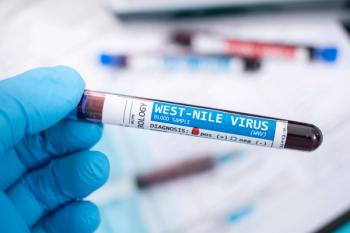
West Nile virus cases rise early in 2026, with Arizona leading with 32 cases.

Prior to the study, researchers report a significant lack of exploration regarding artificial intelligence's use in antimicrobial stewardship programs conducted in pharmacy practice.
Atacicept-vymj is the first medication for immunoglobulin A nephropathy that targets both B cell activating factor and a proliferation-inducing ligand inhibitors.

Pharmacists are being asked to serve as the frontline correctors of medical misinformation, but the emotional labor and repetition are compounding the severe burnout crisis.

Through a secret shopper study, researchers assessed the process for obtaining GLP-1 therapy via the internet and the clinical engagement associated with the purchase.

Researchers assess the impact of various pneumococcal conjugate vaccines since the introduction of immunization programming.

CDC-led VISION interim data show 2025-2026 COVID-19 shots cut adult emergency room visits and hospitalizations.

Researchers explore how the prevalence, duration, and characteristics of post-COVID-19 symptoms varied by epidemic period.

Data show bone density and lean mass losses can be clinically meaningful, but case reports point to resistance training as effective countermeasures.

Esmé Grewal, JD, joins to discuss the evolution of aging populations in the US and how LTC pharmacies are designed to address older adults’ outcomes.

FDA staff review recommends against adding 7 peptides to the 503A bulk list, citing gaps in characterization, effectiveness, and safety data.

Among patients using corticosteroids during hospital stays, researchers assess patient-reported symptoms of long COVID during follow-up.

Pharmacists can drive change through education, engagement, legislation, and persistent efforts.
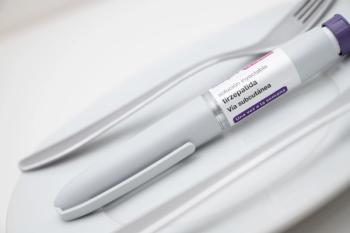
The filing acceptance marks a step toward lower-cost alternatives to Mounjaro and Zepbound.

The collaborative effort includes millions of dollars dedicated to cloud and artificial technology for a global antimicrobial resistance intelligence platform.