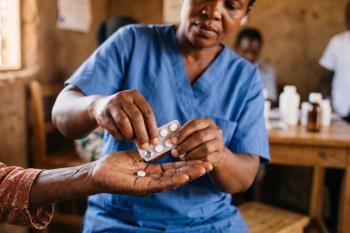
With the inherent value medications provide in the greater health care system, Jennifer Hammons, PharmD, DrPH, argues that rural pharmacies deserve the proper recognition.
Among US adults with and without chronic medical conditions, researchers examine social media use for health-related information.
Although a majority of US adults report engaging with health-related information on social media platforms, their confidence in the accuracy of said information is limited, according to a study published in JAMA.1
“Social media has been widely used in health contexts by various users. For individuals, social media is a primary source of COVID-19 information for patients,” wrote the authors of a study published in the Journal of Medical Internet Research.2 “For health organizations, more than 80% of US state health departments have social media accounts. A review of the state of the art can provide guidance for practitioners who intend to use social media and for researchers who intend to advance our understanding of social media use for health purposes.”
The 2024 Health Information National Trends Survey (HINTS), which represented approximately 262 million US adults, found that social media use is nearly ubiquitous, with 87.8% of the population reporting use of a social networking site in the preceding year. Within this massive digital cohort, engagement with health topics is high: nearly 85% of users share health information and 70.2% participate in online health communities.1
READ MORE:
Yet, a profound paradox has emerged across US health care. Although 77.7% of social media users believe the health information they encounter on these platforms is false or misleading, more than 1 in 5 adults (21.6%) still report making health-related decisions based on that same content.
This disconnect suggests that social media exposure may influence patient behavior even when its reliability is openly questioned. Data from the KFF Tracking Poll on Health Information and Trust reinforces this atmosphere of skepticism, noting that fewer than 1 in 10 social media users trust most of the health advice they see on any given platform.3
Despite this, the volume of health content remains high, with users most frequently seeing information regarding weight loss, diet, and nutrition (72%), as well as mental health (58%). When it comes to the individuals delivering this advice, the public remains wary; 61% of those who follow health influencers believe these figures are primarily motivated by financial interests rather than the public good.
The role of social media in health care has expanded beyond simple information seeking into what researchers call infoveillance, where platforms are used to monitor public responses to health issues and even predict disease outbreaks. Modern social media tools now facilitate offline health care services, allowing patients to book appointments, manage personal information, and pay medical charges directly through digital interfaces.2
This evolution has created a new frontier for pharmacist social media influencers who are carving out non-traditional roles to fill educational gaps. These professionals often focus on education and advocacy rather than typical influencer metrics, defining their success by the value of their content rather than their number of followers.4
However, the rise of digital health information presents significant ethical challenges for the pharmacy profession. As patients increasingly rely on social media instead of evidence-based data, they may advocate against their own health interests, creating a difficult situation for the clinicians they see in person.5
Currently, pharmacists lack formal guidance or a code of ethics specifically addressing how to tackle social and political misinformation, a gap that some experts argue must be closed to ensure optimal community health. Leaders in the field suggest that discussing these once-taboo social and political issues with patients may be necessary to help them clearly identify harmful information.
To bridge this gap in trust, pharmacists are encouraged to use their unique position as accessible medication experts to engage in their communities. Practical strategies for the pharmacy counter include the “truth sandwich” approach, which emphasizes repeating established truths more often than the misinformation being corrected.6
Pharmacists can also empower patients with the stop, investigate, find, and trace (SIFT) method to help them evaluate future information independently. By gathering data on local misconceptions and building rapport through churches and community centers, pharmacists can serve as trusted messengers who mitigate the negative impact of this ongoing digital infodemic.
“In this nationally representative survey, the majority of US adults using social media reported some engagement with health-related information on these platforms. Social media has become a major venue for health information, yet confidence in its accuracy remains limited,” concluded the authors of the current study.1 “Social media is a key component of the health information environment for US adults with and without chronic conditions, highlighting the need for approaches to enhance the accuracy of health content and counter AI-amplified misinformation.”
READ MORE: