Diabetes medication experts focus on practical access and pharmacist counseling considerations for adults on obesity medication.
With the goal of optimizing long-term weight-loss treatment, researchers gather insights regarding the lived experiences of glucagon-like peptide-1 users.
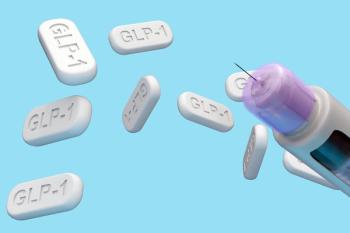
Glucagon-like peptide-1 (GLP-1) receptor agonist (RA) therapy is most effective as a facilitator for personal lifestyle changes rather than a replacement, according to a study in JAMA Network Open.1 With behavioral changes paramount in the proper use of GLP-1 RAs, the findings further solidify the importance of a holistic method for weight management.
“For many, the road to weight loss feels like a series of cyclical detours; short-lived victories followed by frustrating setbacks. But there’s a better way,” wrote authors from Monarch Health & Wellness.2 “A holistic approach is not only about the numbers on the scale; it’s about improving your overall health through the integration of physical, mental, and emotional well-being.”
For pharmacists, this shift in clinical understanding suggests that patient counseling must evolve beyond simple dosing instructions and toward comprehensive behavioral coaching. The landmark JAMA study found that although participants experienced a significant drop in food noise, or the intrusive and obsessive thoughts about eating, GLP-1s served primarily as an enabler for intentional choices rather than a passive cure.1
Patients reported that they still had to shop, plan, and cook differently to achieve meaningful results, underscoring that pharmacotherapy is a tool that supports active engagement in a new lifestyle. This mirrors clinical data from the STEP 3 trial, which demonstrated that pairing GLP-1 therapy with intensive behavioral support led by a dietitian resulted in an average weight loss of 16%, far exceeding results typically seen with medication alone.1,3
READ MORE:
Effective management also requires a nuanced understanding of the patient’s physical response to ensure long-term adherence. Although some patients are willing to tolerate severe gastrointestinal distress to achieve weight loss, others discontinue treatment entirely when adverse effects like nausea or diarrhea become intolerable.1
Pharmacists can play a role by helping patients reframe these adverse effects as physiological feedback that signals when the body is comfortably satisfied. Because these medications slow gastric emptying, eating past the point of fullness significantly increases the likelihood of nausea. Helping patients listen to these cues is a vital part of a personalized diagnostic process that accounts for each unique body and life experience.1,3,4
Furthermore, according to a study in Frontiers in Clinical Diabetes and Healthcare, the quality of weight being lost is a major concern for clinicians, as research indicates that between 15% and 40% of weight lost on GLP-1 RAs can be lean mass. To combat this, a holistic approach must prioritize resistance training and high protein intake to preserve muscle mass and basal metabolic rate.5
Pharmacists can support this by recommending at least 150 minutes of weekly activity and emphasizing lean protein sources to protect functional health, such as fish or beans. Such interventions are essential because weight regain occurs rapidly after therapy cessation, with some patients regaining two-thirds of their lost weight within a year if they have not established sustainable lifestyle habits.3,5
The 2025 American Diabetes Association Standards of Care emphasize that treatment should be person-centered, addressing comorbidities like hypertension and sleep apnea while considering social determinants of health and financial obstacles. Pharmacists must also remain vigilant regarding market realities, such as medication shortages and the proliferation of non-FDA-approved compounded products.4,6
Compounded versions often lack standard labeling or clinical testing for added ingredients like vitamin B12, posing significant safety risks. Additionally, pharmacists can assist in navigating cost-related barriers and the stigma often associated with weight-loss indications, as these factors often lead to treatment interruptions that result in rapid weight regain.1,6
Effective weight management is a marathon that requires a true partnership between the patient and their health care team. By integrating stress management, sleep hygiene, and mindfulness, patients can address the root causes of weight struggles rather than relying on a quick-fix solution.2,4
Through consistent education on injection techniques and the regular reassessment of individualized glycemic and weight goals, pharmacists help ensure that GLP-1 therapy serves as a safe and sustainable facilitator for lifelong wellness.1,6
“In this qualitative study of patient experiences with GLP-1 RAs, participants described GLP-1 RA therapy functioning as a facilitator rather than a replacement for lifestyle change, emphasizing the need for behavioral interventions alongside pharmacotherapy to sustain treatment benefits,” concluded authors of the current study.1 “Quality of care was highly variable; thus, standardized guidelines for patient education and clinical support could improve expectation management around likely adverse effects and long-term management.”
READ MORE: