














































The study warned that, with 74 million children in the United States, PICU resources could face concerning strain from COVID-19.

The study warned that, with 74 million children in the United States, PICU resources could face concerning strain from COVID-19.

The study estimates that for each child in the PICU for COVID-19, another 2381 children are infected with the virus.

Pediatricians stress the importance of understanding the effects of COVID-19 on children.
The FDA previously approved sofosbuvir and velpatasvir to treat HCV in adults.

More than one-third of all children in the United States are not following the recommended vaccine schedule, according to a new study.

Strategies include nonpharmacologic therapies, nonopioid medications, and opioid rotation.

Managing post-summer medication changes.

Prepare for the back-to-school rush!


Natal conditions may influence susceptibility.

Lack of trust in vaccines abetted by online articles and past wrongdoing by the drug industry.
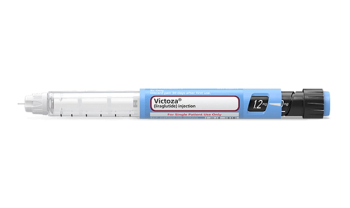
First non-insulin drug for pediatric use approved in nearly 20 years.
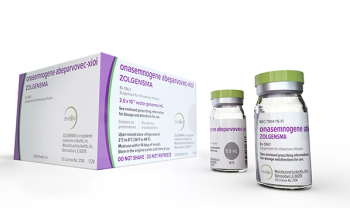
Zolgensma (onasemnogene abeparvovec-xioi) is an adeno-associated virus vector-based gene therapy
North Carolina working to expand the number of vaccines pharmacists can administer.
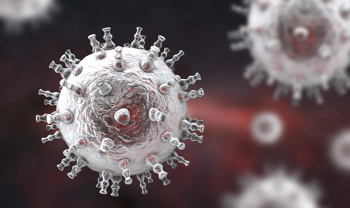
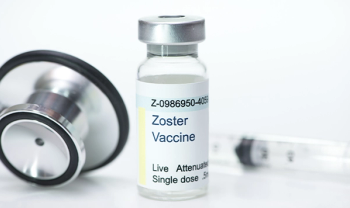
HZ in children is uncommon and is 10 times less common in kids who’ve been vaccinated against chickenpox.

Anthelmintic tablet for patients 6 years of age and older.

Each year, approximately 200,000 children ages 17 years and younger land in emergency departments (EDs) from adverse drug events (ADEs). Children younger than 5 years of age are most likely to visit the ED for ADEs, according to the CDC.
A study of vaccination exemptions in kids found that some doctors are charging anti-vaccine parents for them.
Continuing to work with FDA to ease the ongoing shortage of injectable methotrexate, APP Pharmaceuticals this week released another 10,000 vials of preservative-free methotrexate (Methotrexate Injection), a drug used in the treatment of pediatric oncology and hematology
FDA has approved lucinactant (Surfaxin, Discovery Labs) for the prevention of respiratory distress syndrome (RDS) in premature infants at high risk for RDS. Surfaxin is the first synthetic, peptide-containing surfactant approved for use in neonatal medicine.
New guidelines for the use of the quadrivalent human papillomavirus vaccine, published by the American Academy of Pediatrics, recommend for the first time vaccinating adolescent boys as well as girls.
Zinc used in addition to antibiotics significantly reduced mortality in children ages 6 months to 59 months with severe pneumonia when compared with antibiotics alone, according to the findings of a recent study done in Uganda.
More than a half million bottles of Infants' Tylenol Oral Suspension, 1 oz. grape, have been recalled voluntarily by McNeil Consumer Healthcare because of complaints about using the dosing system, the company announced.
FDA and 3 drug manufacturers say they are working to allay the concerns of health organizations that thesupply of methotrexate -- used to treat acute lymphoblastic leukemia in children – is in danger of running out