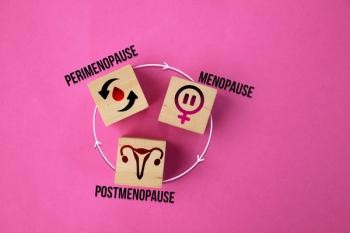
Data assessing Novo Nordisk’s investigational diabetes and obesity medication were presented at The Menopause Society's 2026 Annual Meeting.
Negative pressure wound therapy has been a staple in hospital settings, but clinical data suggests its benefits are more significant than previously thought.
A new systematic review and meta-analysis published in the International Wound Journal offers a compelling case for the expanded use of negative pressure wound therapy (NPWT) in treating diabetic foot ulcers. This technology, which uses a vacuum pump to create suction over a wound bed, has long been a staple in hospital settings, but recent clinical data suggests its benefits are more significant than previously quantified.1-4
For community pharmacists, who are increasingly positioned as the first point of contact for minor and acute wound care, understanding the mechanisms and outcomes of NPWT is becoming more crucial.
“NPWT has been used across a wide etiology of wounds, including acute and subacute, traumatic, chronic wounds and ulcers (diabetic, pressure, or venous ulcers), partial‐thickness burns, flaps, and skin grafts as well as dehisced wounds,” the study authors said.1 “NPWT provides a more comprehensive therapeutic effect through four main mechanisms, including macrodeformation, which facilitates wound edge contracture, thus reducing wound size, microdeformation leading to upregulation of mechanotransduction pathways, effective exudate management and control of wound microenvironment.”
The socioeconomic burden of diabetic wounds is staggering, with the United Kingdom alone spending approximately £900 million annually on their management, a figure representing 1% of the entire yearly National Health Service budget. The United States faces an annual cost of $237 billion for diabetes care, with at least one-third of that total driven by complications like foot ulcers.1,5
The systematic review found that NPWT significantly outperforms standard moist wound care by reducing hospital stays by an average of 7.8 days. Even more critically, the therapy was found to reduce the risk of major and minor amputations by 5.7%, a vital statistic given that up to 70% of all limb amputations globally are linked to diabetic complications.1
The effectiveness of NPWT is rooted in its ability to address the unique pathological changes that hinder healing in diabetic patients. Diabetes disrupts the normal wound healing phases—inflammation, proliferation, and remodeling—often trapping the wound in a prolonged proinflammatory state. In this state, macrophages fail to transition from the aggressive M1 phenotype to the anti-inflammatory M2 phenotype required for tissue synthesis.1,5
The new meta-analysis highlights that NPWT facilitates this crucial shift, while also downregulating proinflammatory cytokines such as TNF-α and IL-6 that contribute to chronicity. By removing fluid and bacteria through suction, the device reduces localized edema and oxidative stress, creating a clean, moist environment that encourages healthy tissue to form.1,2
Pharmacists are uniquely positioned to oversee the broader medical context of these patients, where glycemic control and nutritional status are primary predictors of success. Chronic hyperglycemia damages the vasculature and accumulates advanced glycation end products (AGEs) that stiffen the skin and hinder oxygen delivery. Beyond the vacuum device itself, pharmacists can play a role in managing repurposed medications that aid healing.5
For example, sitagliptin and other dipeptidyl peptidase 4 inhibitors have been shown to minimize scar formation by reducing excessive extracellular matrix production. Furthermore, ensuring patients maintain a hemoglobin A1C below 7% and a diet low in dietary AGEs is critical, as poor glycemic control significantly increases the risk of surgical site infections and wound dehiscence.3,5
Despite the clear benefits of advanced wound technologies, a national survey of Australian pharmacy staff revealed a significant gap in clinical knowledge. Only 9.7% of respondents could correctly identify various advanced dressings and their appropriate applications, with many staff members relying on historic practices rather than evidence-based guidelines.3
This is particularly concerning as pharmacy assistants, who often have less formal training than pharmacists, influence product selection in over 60% of customer interactions. As the scope of practice for pharmacists expands to include the management of acute minor wounds and the administration of local anesthetics, there is an urgent need for targeted educational interventions to bridge this knowledge-practice gap.3
Although the clinical trend remains firmly in favor of NPWT, researchers note that the field still suffers from a lack of standardization in outcome reporting. Many studies use varying definitions for "healing," making direct comparisons between devices and traditional dressings challenging.1
However, the current data suggests advanced therapies like NPWT not only improve patient quality of life by reducing pain and disability periods but also offer a vital tool in the fight to prevent life-altering amputations in the diabetic population. Pharmacists must remain abreast of these biomolecular breakthroughs to effectively support the multidisciplinary teams managing these complex chronic conditions.1,3
“To further improve the paucity of data in current literature, more uniform analysis timepoints or outcome measures, such as a clear indication of start of healing, should be reported in future studies,” the study authors concluded.1
READ MORE:
Are you ready to elevate your pharmacy practice? Sign up today for our