


















































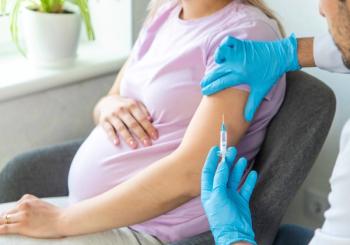
Investigators noted that findings data should inform public health policy and reassure providers and expectant mothers.
Investigators noted that findings data should inform public health policy and reassure providers and expectant mothers.
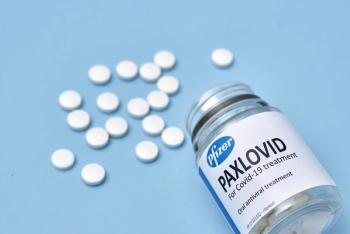
The FDA states the revision to the emergency use authorization (EUA) is the next phase in the transition from the use of EUA-labeled nirmatrelvir and ritonavir to the use of NDA-labeled nirmatrelvir and ritonavir.

Study findings that identified non-COVID respiratory illness as the most serious health issue among members of low- and middle-income countries provide policymakers with a valuable lens through which to understand and address public health concerns.

Compared to only 10% of primary and subspecialty visits, 34.5% of mental health visits took place via video in August 2023.
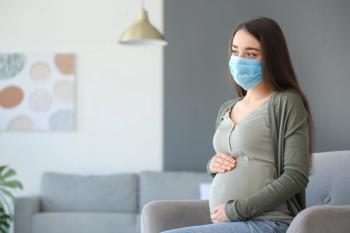
Although the risk of respiratory distress among infants exposed to SARS-CoV-2 is high, the odds of developing the condition decreased by 67% among neonates born to vaccinated mothers.
Patients who received oral simnotrelvir recovered up to 1.5 days faster from COVID-19 compared to patients who received a placebo in the new study.
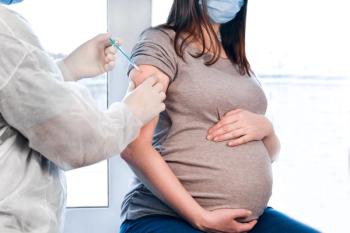
Study results found that maternal COVID-19 vaccination was safe from the perspective of infant neurodevelopment up to 18 months of age, addressing concerns about in utero vaccine exposure.

Problematic substance use was highest among firefighters, followed by emergency medical technicians, and police officers.
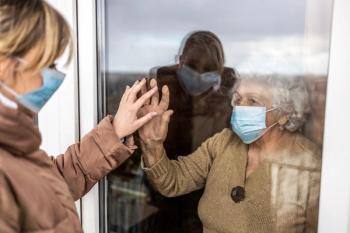
Study authors noted the importance of their results as they apply to understanding the usefulness of intervention measures and preparing for future pandemics.
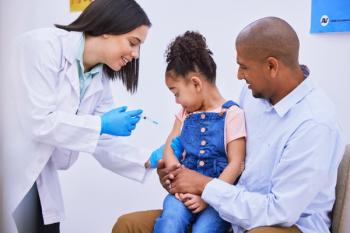
Within a 12-month time frame, adjusted vaccine effectiveness against diagnosed long and probable long COVID was 41.7% and 35.4%, respectively.

A new study found that a universal coronavirus vaccine would be cost saving as long as it had an efficacy and coverage of 10% or more.

A new study found that SARS-CoV-2 RNA was correlated with incident COVID-19 cases at the school level.
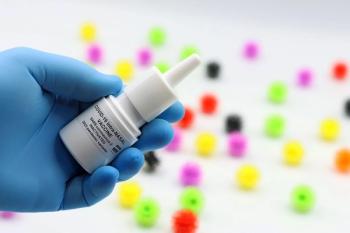
Study authors noted that intranasal vaccine delivery could offer benefits such as needle-free administration and induction of mucosal immunity.
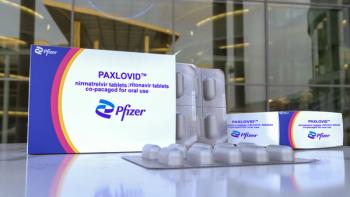
A new study found that 16.1% of patients treated with nirmatrelvir-ritonavir (Paxlovid) reported long COVID symptoms, compared to 14% of untreated patients.
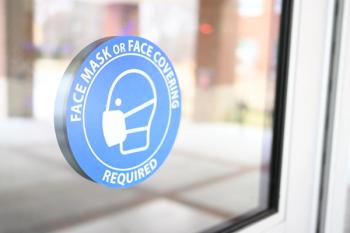
In response to a surge in cases of COVID-19, flu, and RSV, hospitals are reinstating mask guidelines to avoid adverse capacity outcomes and staffing shortages seen in prior years.

Although the study identified an increase in chronic symptoms among children that developed post-COVID-19 condition, the chance of initial development was low.
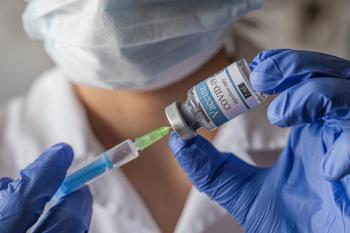
Although vaccination proves effective against severe infections, its impact on respiratory function in mild cases remains uncertain, particularly among health care workers.

Study authors theorized that the reduced effect could be due to disease-related or immunosuppressive treatment factors.

Patients hospitalized for either virus had an increased risk of death, hospital readmission, and health problems in multiple organ systems over 18 months of follow-up.
Immunizations against influenza, COVID-19, and RSV are lower than they were this time last year, and hospitalizations have increased across all age groups.

While either vaccine offers some protection, having both vaccines offers the strongest level of protection against hospitalization and severe complications like MIS-C, and death.
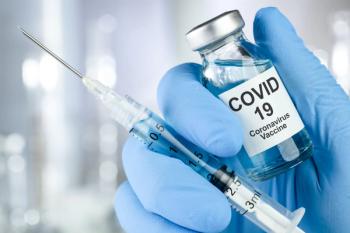
A Q&A with Robert Walker, MD, senior vice president and chief medical officer at Novavax.
Vaccinated study participants experienced fewer and less persistent symptoms, as well as fewer work hours lost, compared to unvaccinated participants.

A new study found that models that included wastewater data were 15% more accurate when compared to models that only included clinical case data.

Rich in polyphenolic compounds like chlorogenic acid (CGA), coffee may help ward off COVID-19 infection in the post-pandemic era.