Detailed phase 3 data show retatrutide lowered body weight and A1C over 80 weeks for patients with diabetes and obesity.
Diabetes medication experts focus on practical access and pharmacist counseling considerations for adults on obesity medication.
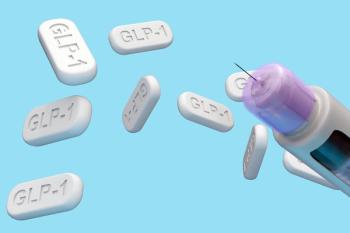
Glucagon-like peptide-1 (GLP-1)–based therapies offer effective treatment options for obesity, but sustained use depends on more than prescribing. Pharmacists help patients address coverage barriers, obtain the correct product, manage adverse effects, and plan follow-ups. These responsibilities are particularly relevant when cost, transportation, language, or limited health literacy complicate care.
Begin by confirming the prescribed product, indication, and the patient’s benefit requirements. Coverage for obesity medications varies across insurers and state Medicaid programs, and prior authorization requirements can change. Documenting baseline weight, relevant diagnoses, previous treatment, and response can help the care team address coverage requests.1
For eligible Medicare Part D beneficiaries, the
Pharmacists should check current eligibility, authorization, and processing instructions rather than assume the patient’s usual Part D approval applies.2
READ MORE:
Manufacturer programs provide additional options. Patients with a valid prescription can access Zepbound through LillyDirect and Wegovy through NovoCare Pharmacy. Pharmacists can compare available self-pay options with insurance coverage and applicable savings offers, checking the exact product, formulation, dose, eligibility, and ongoing cost. A promotional starting price should not be mistaken for the cost of maintenance treatment.3,4
Self-pay purchases are processed outside insurance. For example, NovoCare states that these payments do not count toward insurance deductibles or OOP limits. Eligibility for a cash option should be assessed separately from eligibility for an insurance-linked savings offer.4
At eligible safety-net organizations, the 340B Drug Pricing Program may also support access. However, discounted acquisition costs do not establish a patient’s final charge. Pharmacists should confirm patient eligibility, product availability, and the organization’s dispensing and financial-assistance arrangements.5
Access decisions must preserve the correct indication and regimen. Liraglutide (Saxenda) illustrates this point as its recommended adult maintenance dose is 3 mg daily, with lower doses used during titration. A lower-cost liraglutide product labeled for diabetes should not be expected to provide an interchangeable obesity regimen. Verify the product and delivered dose before arranging a change.6
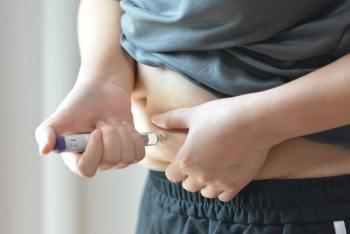
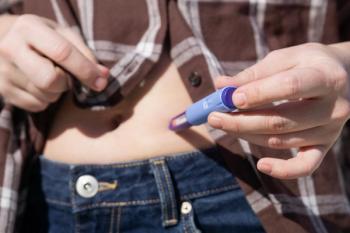
Similarly, counseling should reflect the exact formulation and device. GLP-1–based therapy includes GLP-1 receptor agonists as well as tirzepatide, a dual glucose-dependent insulinotropic polypeptide (GIP) and a GLP-1 receptor agonist. Oral and injectable products have different administration requirements; patients need instructions for the product they actually receive.7,8
National shortage resolution does not guarantee immediate availability at every pharmacy. FDA has documented resolution of the tirzepatide and semaglutide injection shortages, but local supply interruptions may still occur. Pharmacists can check refill timing and communicate anticipated gaps before patients run out.9
After an interruption, review the last dose, time without treatment, and previous tolerability. Follow product-specific labeling and obtain a prescriber-directed restart plan when needed. Zepbound’s instructions for one missed dose should not be treated as a protocol for a prolonged interruption. Patients should not borrow medication or change doses independently to compensate for unavailable supplies.7,8
Use plain language and ask patients to explain how they will take the medication. Review administration, storage, escalation, and missed-dose instructions. Ask about other weight-loss products, compounded preparations, and online purchases. Check for duplicate therapy and for concurrent insulin or sulfonylureas that may require adjustment to reduce hypoglycemia risk.
Discuss common gastrointestinal effects and explain when symptoms need assessment. Persistent vomiting, inability to maintain hydration, or severe abdominal pain warrants prompt medical evaluation. Counseling should also address pregnancy plans. Patients using oral hormonal contraceptives with tirzepatide should use a non-oral method or add barrier contraception for 4 weeks after initiation and after each dose increase.7,8
Ask what patients have heard about treatment and which sources they use. This creates an opportunity to correct unrealistic expectations and discuss online medication safety. FDA warns that unapproved GLP-1 products have not undergone premarket review while identifying dosing, quality, and fraudulent product concerns. Direct patients to licensed prescribers and state-licensed pharmacies.10
Discuss follow-up and affordability early, including what to do if coverage ends. The STEP 1 extension documented substantial weight regain after semaglutide and structured lifestyle support stopped. SURMOUNT-4 similarly demonstrated regain after tirzepatide withdrawal. These findings support planning for long-term management while individualizing treatment to response, tolerability, and patient preferences.11,12
Weight recurrence should prompt reassessment rather than blame. Ask about barriers and goals beyond body weight, including mobility and daily function. Use appropriate language assistance and adapt education to the patient’s health literacy and circumstances.13 A workable plan identifies how the patient will obtain the next prescription, use it safely, and reach the care team when problems arise.
READ MORE: