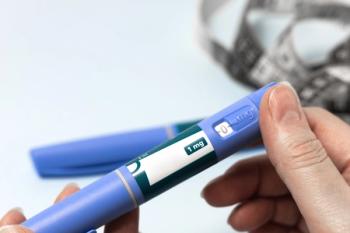
New findings suggest semaglutide's benefits may extend well beyond diabetes and weight loss and into airway disease and mood disorders.
Teva Pharmaceuticals’ new olanzapine option is the first once-monthly subcutaneous injectable on the market for schizophrenia.
On Friday, FDA granted approval of the long-acting injectable (LAI) olanzapine (Weltruza) for the treatment of adults with schizophrenia, according to a news release.1 Once available, Teva Pharmaceuticals’ newly approved LAI will be the first and only once-monthly, subcutaneous option for this population.
“This approval reflects the strength of patient-centric innovation at Teva and what our R&D organization can deliver,” said Eric Hughes, MD, PhD, executive vice president of global R&D and chief medical officer at Teva, according to the release. “WELTRUZA combines proven science and novel formulation innovation to eliminate the need for monitoring after each injection, addressing a significant barrier to treatment and advancing care for people living with schizophrenia.”
Subcutaneous olanzapine relies on a novel copolymer technology that provides controlled, steady release over a full month, utilizing dose strengths of 318 mg, 425 mg, and 531 mg that align with daily oral dosages of 10 mg, 15 mg, and 20 mg. Unlike previous intramuscular formulations of extended-release olanzapine, which carried risks of post-injection delirium or sedation syndrome requiring intensive clinical observation, the new subcutaneous design requires no post-injection monitoring, no oral cotreatment, and no loading doses.1
The elimination of mandatory observation windows simplifies administration logistics for pharmacists and removes a major burden for patients seeking outpatient management.
READ MORE:
The regulatory decision was supported by findings from the Phase 3 SOLARIS trial, a multinational, randomized, double-blind study involving 675 adult participants. The trial evaluated the efficacy, safety, and tolerability of monthly subcutaneous injections compared with placebo over an 8-week, double-blind period, followed by a long-term open-label extension lasting up to 48 weeks.1,2
Primary efficacy outcomes demonstrated significant reductions in psychiatric symptoms measured by the Positive and Negative Syndrome Scale, alongside improvements in clinical severity and personal and social functioning scales. Across the evaluated doses, the systemic safety profile remained consistent with traditional oral olanzapine, with common adverse events including weight gain, somnolence, headache, constipation, and localized injection site reactions.
For practicing pharmacists, understanding these clinical parameters is essential when evaluating treatment safety and monitoring metabolic profiles. Olanzapine has long been recognized as a foundational atypical antipsychotic, yet daily oral administration frequently encounters obstacles with long-term adherence.1,3
Nonadherence remains a major catalyst for disease exacerbation, relapse, and psychiatric rehospitalization. By offering an extended-release subcutaneous option, pharmacists can help patients maintain continuous therapeutic drug concentrations without requiring daily pill compliance.
Pharmacists occupy a strategic position within the mental health care continuum, often representing the most accessible health care professional interacting with patients between clinical appointments. Nonadherence often stems from intolerable adverse effects, complex dosing schedules, or a lack of patient involvement in therapeutic decisions.3,4
Integrated clinical pharmacists can support shared decision-making by offering dedicated medication counseling, explaining expected side effects, and helping patients navigate treatment options. Furthermore, because LAIs reduce administration frequency, pharmacists can track refill intervals and injection schedules to identify potential adherence gaps before clinical deterioration occurs.
Care transitions between inpatient facilities and outpatient settings present heightened risks for medication errors, such as unverified prior doses or accidental double-dosing. Pharmacists play a vital role in conducting rigorous medication reconciliation to prevent adverse drug events and avoid unnecessary hospital readmissions.3
Pharmacists possess specialized training in psychopharmacology, enabling them to evaluate drug-drug interactions, metabolic variability, and organ function considerations that influence antipsychotic selection. Managing polypharmacy and reducing off-label or inappropriate antipsychotic use also remain crucial responsibilities where pharmacist oversight improves overall safety and clinical outcomes.3,4
As health care systems face growing shortages of psychiatric prescribers, expanding the collaborative role of clinical pharmacists offers a practical pathway toward improving continuity of care. Integrating pharmacists directly into multidisciplinary mental health teams fosters stronger therapeutic alliances and ensures that treatment strategies reflect real-world patient needs.
With the availability of new long-acting subcutaneous options like Weltruza, proactive pharmacist involvement in medication administration, side-effect management, and patient education can transform schizophrenia care and promote long-term clinical stability.1,3,4
“Olanzapine has been a trusted and foundational treatment option for people living with schizophrenia for more than 30 years, but adherence continues to be a major barrier to stability, particularly for those who rely on daily oral medications,” concluded Christoph Correll, MD, clinical professor of psychiatry at the Zucker School of Medicine at Hofstra/Northwell, according to the release.1 “By offering a subcutaneous LAI formulation with achievement of therapeutic blood levels without oral cotreatment, loading doses, or booster injections, this new treatment option can help empower patients, support their care partners, and provide clinicians with an important new tool to assist in managing this complex condition more effectively.”
READ MORE: