Pharmacists face burnout and financial strain as PBMs take big cuts, prompting urgent calls for reform to protect patient care and community pharmacies.
Brian Smith, PharmD, explains how direct-to-consumer GLP-1 pathways broaden initial access but endanger long-term patient adherence.
Despite digital health platforms streamlining prescription initiation, the absence of ongoing clinical support leads to widespread treatment abandonment that pharmacists are uniquely positioned to solve.
Direct-to-consumer (DTC) prescription platforms have transformed weight-loss care into an easily accessible digital experience, yet this rapid onboarding model frequently breaks down after therapy begins, leaving patients without the continuous clinical support required for long-term adherence.
Telehealth channels satisfy a widespread consumer preference for convenience and speed, allowing individuals to quickly secure prescriptions online. However, resolving initial friction like appointments and benefits verification only addresses the start of care, ignoring the complex maintenance challenges that dictate long-term success.
The rise of manufacturer and third-party digital platforms reflects a major shift toward self-directed health care driven by patient demand and coverage barriers. By integrating virtual intake, prescribing, and mail-order delivery, these digital solutions significantly compress the time needed to start treatment.1
The accessibility surge further coincides with staggering market growth, as total spending on GLP-1 medications expanded over 500% from $13.7 billion in 2018 to $71.7 billion in 2023. Spending on Ozempic reached $26.42 billion by 2023, while Wegovy spending reached $6.99 billion.2
READ MORE:
Despite unprecedented market expansion, patient persistence remains a critical flaw. National health data indicates that between 45% and 65% of patients who begin GLP-1 therapy stop taking their medication within the first year.
Additional research published in JAMA Network shows that nearly 75% of patients discontinue treatment within 2 years. This sharp dropoff underscores a fundamental disconnect between easy digital onboarding and the sustained guidance required to keep patients on therapy.3
The primary causes of treatment abandonment stem from financial strain and physical intolerance. Cleveland Clinic reveals that 47.6% of patients quit semaglutide or tirzepatide due to financial barriers, including coverage denials and unaffordable out-of-pocket costs. Gastrointestinal side effects account for 14.6% of discontinuations, while medication shortages cause another 11.8% of dropoffs. Cost pressures typically cause patients to quit later in treatment, whereas adverse side effects force patients off therapy much earlier.3,4
Nearly 95% of patients experience early side effects such as nausea or diarrhea when initiating GLP-1s or increasing doses. Without proactive counseling regarding dietary adjustments or weight-loss plateaus, patients often discontinue therapy prematurely. Unplanned discontinuation causes patients to regain lost weight and forfeits broader health benefits, including cardiovascular risk reduction and kidney protection.
Reversing high abandonment rates requires connecting pharmacy services directly with prescribers into a unified care model. DTC platforms often fail because they isolate prescribing from ongoing therapeutic support.
In contrast, health-system models that integrate pharmacy teams with providers achieve over 80% patient retention beyond 1 year and maintain adherence rates above 90%. Pharmacists support patients by managing dose titrations, mitigating gastrointestinal side effects, and helping navigate coverage hurdles.3
Frontline pharmacists possess a powerful opportunity to improve GLP-1 adherence through targeted counseling and clinical support.
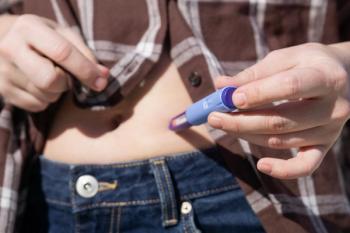
Pharmacists can demonstrate proper injection technique during prescription pickup, reducing patient anxiety around self-administration.3
To alleviate financial burdens, pharmacists can connect patients with copay cards, patient assistance programs, and savings tools. By setting realistic expectations and guiding patients through plateaus, pharmacists transform transactional drug delivery into a durable, supportive care relationship.
“GLP-1 receptor agonists have soared in popularity in recent years, mainly because of their weight-loss benefits,” concluded Ashley Wong, PharmD, for SingleCare.3 “However, studies have shown that almost 75% of patients discontinue GLP-1 therapy within 2 years. Pharmacists can help boost adherence to GLP-1 therapies by addressing potential barriers, such as side effects, cost, administration difficulties, and unrealistic expectations, with patients.”
READ MORE: