Orforglipron lowered A1C and body weight more than oral semaglutide 25 mg at 52 weeks, but the estimate comes from an indirect comparison.
GLP-1 adherence requires integrated care teams, administrative technology, and proactive clinical support to tackle complex challenges.
Sustaining patient adherence on glucagon-like peptide-1 (GLP-1) medication over a long term depends on moving beyond initial coverage approvals to deliver comprehensive care that addresses real-world barriers.
Despite prior authorizations and high copays presenting immediate hurdles, lasting therapeutic success hinges on giving health care professionals enough time to build trust and guide patients through ongoing challenges.
“There's a lot of financial pressures within health systems,” Brian Smith, PharmD, chief pharmacy officer at Shields Health Solutions, told Drug Topics®. “There are shortages of health care professionals, a lot of burnout, and there's massive administrative burden. All of those things compete with time with the patient.”
In part 2, Smith assesses how administrative burnout and staffing shortages frequently compete with direct patient interactions. To combat this, health systems are turning to artificial intelligence (AI) and machine learning solutions to streamline administrative workflows, effectively freeing up providers to spend meaningful time with patients.
Get Smith’s expert insights on this evolving landscape as he explores how health systems can leverage technology and care integration to keep patients engaged in GLP-1 therapy longer.
READ MORE:
Drug Topics: Looking ahead, what needs to change industry-wide for health systems to keep patients on GLP-1 therapy long enough to see real results?
Brian Smith: One of the most important things, and it's a big risk in the space, is making sure there are sufficient health care providers available, and that they have sufficient time to spend with patients. It's clear to me that when a health care professional has the time to work with a patient, develop the trust, the relationship, and then help that patient achieve their goals, GLP-1 or otherwise, you can have a lot of success. But as you probably know, there's a lot of financial pressures within health systems. There are shortages of health care professionals, a lot of burnout, and there's massive administrative burden. All of those things compete with time with the patient.
To me, this is where the technology comes into play. [With] technology, the goal is not just to get people onto drugs faster and hope they figure it out. The technology is really to free up time [for] health care professionals, which is limited and expensive, so they can spend more time with patients and less time on the administrative burden. That's been one of our big focuses over the last few years, and really on the go forward, to implement technology, whether that's AI solutions, machine learning, not to replace care, but to free up provider time to provide more care with the patients and help them through the challenges.
While prior authorizations and high copays get a lot of attention, those are just the initial steps. It's how do you help a patient stay on a medication when they face housing insecurities? They lose their job. They're choosing between food and their medication. Those are the real barriers to treatment and the real barriers to long-term outcomes. Providers are trained for it. They have experience in it. And when you're connected as part of a health system, everybody knows what's going on, everyone knows what the plan is, and you have all the resources you need to get those great outcomes.
Drug Topics: GLP-1s are infamously met with high costs and challenging adherence alongside unprecedented benefits that make it a revolutionary but controversial medication class. In your opinion, what factors are going to be the most important at driving forward GLP-1 access and adherence in the future?
Brian Smith: Giving patients the ability to have better access to the right health care professionals is the key. I think of it as more like cardiometabolic management because very often weight loss is associated with type 2 diabetes, high blood pressure, high cholesterol, cardiovascular risks. Having a team that can comprehensively evaluate all of those items and then get the patient to the right treatment to help them achieve their goals, to me, is the best path to care.
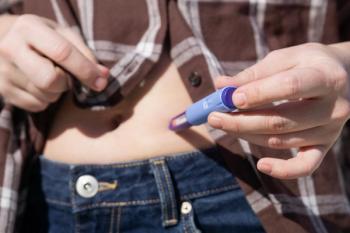
Whether that's a GLP-1, newer agents coming into the space, or other therapies that could be indicated here, it really needs to be a comprehensive approach to care to make sure you're meeting that patient's goals, whatever challenges or limitations they might have. Maybe they can't inject themselves. Maybe they need an oral. Maybe they need something long-acting. Maybe they don't have access to refrigeration. There's so many things that go into developing the treatment plan, but I think providing access that's easier for patients to care teams that can evaluate all these items, and get them on the right therapy at the right time at the right dose, and then serve as a coach to help them stay on that path.
To me, one of the most exciting things about GLP-1s is, while weight loss gets people excited, it's an activating moment where, as a health care professional, you can use that energy to try to institute simple lifestyle changes. Sometimes even 10 pounds of weight loss can make walking easier, and now your joints aren't hurting. Then, you can walk a little bit more each day; some simple lifestyle changes. That way, these impacts of these therapies aren't therapy alone, but it's therapy with all of the other changes that can go along with it. Now, you have something that's much more durable and sustainable.
All of that happens best with an integrated care team. You've got your physicians, your nurses, dietitians, pharmacists, all working together within a health system specialty pharmacy program to deliver that best-in-class care. We have one example [where] we have a care coach program with one of our partners, where our pharmacists basically do this at a diabetes center of excellence. We've been able to lower emergency room visits by 30%, lower cost of care by thousands of dollars a year, as well as lower A1C and get sustainable weight loss. We know it works; you just have to find ways to make it happen.
READ MORE: