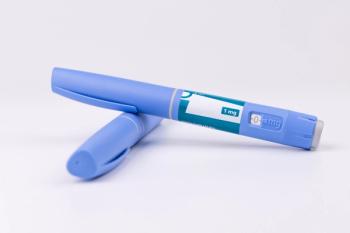
A study finds children starting continuous glucose monitoring within a month of diagnosis sustained lower hemoglobin A1C than those who started later.
A claims analysis of 2031 patients aged 10 to 17 years found that nutrition counseling was infrequent and often began months after treatment started.
Nearly 1 in 6 pediatric patients who started a glucagon-like peptide-1 receptor agonist (GLP-1 RA) were diagnosed with a nutritional deficiency or deficiency-related complication within 1 year, according to a retrospective analysis of insurance claims published in Childhood Obesity.1
Nutrition therapy/counseling (NT/C) was uncommon by comparison. Only 23.3% of patients had an NT/C visit within 180 days of starting therapy, and among those who received nutrition care, the first visit came a mean of 149 days after initiation.1
The research team analyzed Inovalon claims data from 2017 to 2022, covering more than 100 million patients, and identified 2031 GLP-1 RA users aged 10 to 17 years who met continuous enrollment criteria and had no prior diagnosis of nutritional deficiency. Patients with type 1 diabetes were excluded. The mean age was 15 years (SD, 1.8), 61.5% were female, 67.2% had type 2 diabetes, and 62.6% had obesity based on diagnosis codes.1
Liraglutide (Victoza, Saxenda) accounted for 78.6% of initiations, followed by dulaglutide (Trulicity) at 10.4% and semaglutide (Ozempic, Wegovy) at 9.1%.1,2
Diagnoses of any nutritional deficiency or deficiency-related complication reached 10.2% within 180 days (95% CI, 8.9%-11.6%) and 16.8% within 365 days (95% CI, 15.2%-18.5%). Vitamin D deficiency was the most frequent single diagnosis at 12.4% (95% CI, 11.0%-13.9%) at 1 year. Nutritional anemia was diagnosed in 1.55% of patients, iron-deficiency anemia in 1.44%, and muscle loss in 0.8%.1
The authors pointed to a prior study of adults with type 2 diabetes in which 12.7% developed a nutritional deficiency or related complication within 6 months, rising to 22.4% by 12 months.1
"As appropriate pediatric use of GLP-1s becomes more widespread, we need to understand the risks during periods of rapid growth and pubertal development," Justin Ryder, PhD, vice chair of research for the Department of Surgery at Ann & Robert H. Lurie Children's Hospital of Chicago and associate professor of surgery and pediatrics at Northwestern University Feinberg School of Medicine, said in a news release.2
Use of NT/C after GLP-1 RA initiation was infrequent and delayed, the authors reported. Visits occurred within 30 days for 5.8% of patients, within 90 days for 14.7%, within 180 days for 23.3%, and within 365 days for 38.3%. The mean time to first visit was 149 days (SD, 107.5). Before starting therapy, 29.1% of patients had a dietitian visit.1
"Nutritional support needs to play a critical role once treatment with a GLP-1 medication is initiated," Ryder said in the release. He said the findings suggest nutrition care may need to begin alongside GLP-1 treatment rather than after a deficiency has already been detected.2
Patients with an NT/C visit in the first 180 days had higher rates of deficiency diagnoses. At 365 days, 23.2% of the 474 patients with a visit (95% CI, 19.5%-27.3%) had a diagnosed deficiency or complication, compared with 14.8% of the 1557 without one (95% CI, 13.1%-16.7%; P < .01).1
The authors cautioned against reading this as counseling leading to deficiency. Patients may have been referred after a deficiency was detected, or visits with a registered dietitian nutritionist or other provider may have prompted testing that found more deficiencies. A study designed to test causation is needed to sort out those explanations, they wrote.1
The study did not assess pharmacist involvement. However, pharmacists can ask about dietary intake during counseling and recommend appropriate laboratory testing or supplements. A 2025 multisociety advisory also recommended a baseline nutrition and micronutrient assessment for patients starting GLP-1 therapy.3
A separate 2025 narrative review in Obesity Pillars likewise recommended nutrition assessment before treatment with an obesity medication begins, preferably by a registered dietitian. Its authors wrote that many patients on GLP-1–based therapies do not receive appropriate nutrition advice.4
Deficiencies were identified from claims-based diagnosis codes, which may under-report subclinical deficiencies and do not include laboratory values or dietary intake.1
Some deficiencies may have been present but undiagnosed before therapy began. The data did not include Medicaid enrollees, and the study period largely preceded approval of semaglutide for patients aged 12 to younger than 18 years. Claims also cannot show why NT/C use was low. The authors listed provider availability, insurance coverage, and patient preference as possibilities.1