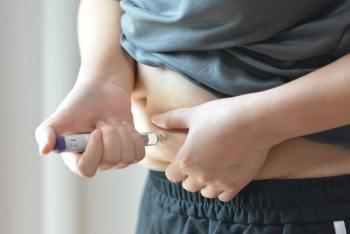
Diabetes medication experts focus on practical access and pharmacist counseling considerations for adults on obesity medication.
A once daily small-molecule GLP-1 receptor agonist showed dose-dependent weight loss with no apparent plateau at 36 weeks.
Aleniglipron (GSBR-1290), an investigational oral, small-molecule glucagon-like peptide-1 receptor agonist (GLP-1RA), produced statistically significant and clinically meaningful weight loss compared with placebo in adults with obesity or overweight, according to results of the phase 2b ACCESS trial published in Nature Medicine.1
The randomized, double-blind, placebo-controlled study found that once daily aleniglipron, titrated over 36 weeks to maintenance doses of 45 mg, 90 mg, or 120 mg, met its primary end point at every dose level tested, with no apparent weight-loss plateau by the end of the double-blind period.1
The ACCESS trial screened 406 adults and randomized 230 participants across 38 US sites between October 28, 2024, and February 7, 2025. Participants had a mean body mass index (BMI) of 39.5 kg/m2, mean body weight of 114.8 kg, and mean age of 49.8 years; 54% were female.1
Eligible participants had obesity (BMI ≥ 30 kg/m2) or overweight (BMI ≥ 27 kg/m2) with at least one weight-related comorbidity, such as hypertension, dyslipidemia, obstructive sleep apnea, cardiovascular disease, or metabolic dysfunction-associated steatohepatitis (MASH).1
Participants were randomized to 3 dose-level cohorts (45 mg, 90 mg, or 120 mg) at a ratio of 3:4:4, then to aleniglipron or placebo at a ratio of 3:1 within each cohort. Each participant received ascending daily doses starting at 5 mg (or placebo), with titration every 4 weeks until the assigned maintenance dose was reached.1
At week 36, the least squares (LS) mean change in body weight from baseline was −9.0% for the 45-mg group, −10.7% for the 90-mg group, and −12.1% for the 120-mg group, compared with −0.8% for placebo. The placebo-adjusted LS mean changes were −8.2% (95% CI, −11.1 to −5.3%) for 45 mg, −9.8% (95% CI, −12.5 to −7.2%) for 90 mg, and −11.3% (95% CI, −13.9 to −8.6%) for 120 mg (P < .0001 for all doses versus placebo).1
Body-weight reductions of at least 5%, 10%, and 15% occurred in 86%, 70%, and 38% of participants on the 120-mg dose, respectively, compared with 23%, 7%, and 1% in the placebo arm.1
"The difference with aleniglipron is it's a small molecule, which means it's chemically made and could be taken with or without food,” Robert Kushner, MD, professor emeritus of medicine in the Division of Endocrinology, Metabolism and Molecular Medicine at Northwestern University Feinberg School of Medicine, said in a news release.2 “Most medications we take, whether it's aspirin or blood pressure medicine, are small molecules.”
The most commonly occurring treatment-emergent adverse events (TEAEs) with aleniglipron were gastrointestinal-related, including nausea (up to 71.1% at the 45-mg dose), vomiting (up to 44.6% at the 90-mg dose), diarrhea, and constipation. These events were generally mild to moderate and decreased in frequency over time, with little to no recurrence of vomiting after dose reintroduction following permitted interruptions.1
Study authors noted that participants who required dose interruptions or reductions generally did not experience vomiting when the dose was reinitiated or titrated up again, a pattern with practical implications for adherence counseling.1
Treatment-related discontinuations occurred in 10.4% of participants across the aleniglipron arms, and there was no dose-response relationship in discontinuation rates as doses increased. Most discontinuations occurred during initial titration steps. Treatment-emergent serious adverse events occurred in 2.2% of participants in the 45-mg arm, none in the 90-mg arm, 6.3% in the 120-mg arm, and 5.4% in the pooled placebo group. No deaths occurred during the trial.1
Notably for pharmacists monitoring hepatic safety, no drug-induced liver injury or persistent elevation of liver enzymes was observed across any aleniglipron treatment arm, and there were no cases of liver enzyme elevations of 10 times or more the upper limit of normal. Participants in the aleniglipron arms also showed reductions in systolic and diastolic blood pressure and hemoglobin A1C, with no evidence of QTc prolongation.1
A prespecified interim analysis of the trial's ongoing open-label extension (OLE), conducted after a median follow-up of 20 weeks (week 56 overall), showed continued weight loss beyond the 36-week double-blind period, with total mean weight loss from randomization reaching 13.3%, 16.2%, and 15.3% in the 45-mg, 90-mg, and 120-mg groups, respectively. Percentages of gastrointestinal-related TEAEs during the OLE were lower than those observed during the initial double-blind phase.1
Participants originally assigned to placebo who initiated aleniglipron in the OLE at a lower starting dose of 2.5 mg (versus 5 mg used in the double-blind phase) achieved a 6.4% body-weight reduction at week 56 after a median follow-up of 20 weeks, with no reported vomiting events and no adverse-event-related study drug discontinuations at that point. Study authors wrote that this finding suggests discontinuations tied to titration could be modifiable with a slower dose-escalation strategy, an approach reflected in the design of the upcoming phase 3 trial, which is expected to start at 2.5 mg rather than 5 mg.1
Study authors noted several limitations, including that prospective collection of gastrointestinal adverse events through an electronic diary could have introduced ascertainment bias and inflated reported GI-event rates, including a 20% incidence of nausea reported in the placebo arm. The study population was also predominantly white (83.5%) and enrolled entirely at US sites and had a lower proportion of female participants than other GLP-1RA obesity trials, potentially limiting generalizability, as female participants tend to lose more weight than male participants on these therapies.1
Separately, Structure Therapeutics, the trial sponsor, reported topline data in March 2026 from a related, higher-dose study, ACCESS II, a 44-week trial evaluating aleniglipron doses up to 240 mg. In that trial, the company reported placebo-adjusted mean weight loss of 16.3% at the 180-mg dose and 16.0% at the 240-mg dose at 44 weeks (P < .0001 for both), with no evidence of a weight-loss plateau.3
"The totality of efficacy and tolerability data across the phase 2 program continue to demonstrate clear differentiation of aleniglipron, with the highest weight loss observed for an oral GLP-1RA to date and a safety profile appropriate for chronic use in a disease that impacts millions of people," Raymond Stevens, PhD, CEO of Structure Therapeutics, said in a news release.3
For pharmacists, an oral, small-molecule GLP-1RA option that does not require refrigeration or injection could ease some of the access and administration barriers associated with current injectable therapies. Close monitoring during dose titration—a role pharmacists already play with existing GLP-1 medications—remains central to managing tolerability.4
Lisa Kroon, PharmD, assistant chief pharmacy officer of clinical innovation, education, and research at UCSF Health and a professor in the UCSF School of Pharmacy Department of Clinical Pharmacy, said pharmacists closely follow patients through the titration process on this drug class more broadly.4
"Pharmacists work with patients as the doses are increased to make sure they're not having significant gastrointestinal side effects, like nausea or even vomiting...We are very high-touch with patients as we're titrating the medication and follow them closely, similar to what we do with blood pressure management," Kroon said.4
Kroon also noted that pharmacists play a central role in navigating medication access and cost for patients on GLP-1 therapies, an issue likely to persist as new oral options such as aleniglipron move through late-stage development.4
"Our pharmacy teams—pharmacists and technicians—continually navigate the payer coverage landscape to provide advice on how to obtain these medications at the lowest possible cost," she said.4
Pharmacy practice is always changing. Stay ahead of the curve with the Drug Topics newsletter and get the latest drug information, industry trends, and patient care tips.
Subscribe