Nicole Pezzino, PharmD, BCACP, BC-ADM, CDCES, details how pharmacies can utilize the booming GLP-1 medication class for greater revenue opportunities.
Amid evolving standards of care in the management of diabetes, researchers explore the role of pharmacists in facilitating continuous glucose monitoring education.
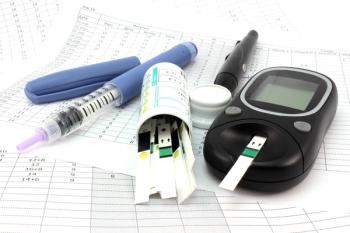
In the administration of pharmacist-led diabetes care, the use of continuous glucose monitoring (CGM) has shown to be paramount in reducing A1c levels and improving diabetes outcomes, according to a study published in the Journal of the American Pharmacists Association.1
However, the study’s findings also showed that CGM metrics were not equally reported across the literature researchers explored, highlighting the potential for making the reporting of CGM data a standard across diabetes management.
“The American Diabetes Association (ADA) recommends CGM to assist people with diabetes in reaching glycemic targets,” according to an article published in Diabetes Journals.2 “However, implementation of CGM into routine practice, especially for clinics caring for underserved populations, is not well described.”
READ MORE:
Furthermore, according to the ADA’s most recent updates to its Standards of Care in Diabetes, CGM use is now recommended at diabetes onset and any time after for children, adults on insulin, and patients on noninsulin therapies that cause hypoglycemia or additional diabetes therapies that can be enhanced through CGM.3
The global diabetes crisis is reaching a critical inflection point, with projections suggesting that over 850 million adults will live with the condition by 2050. In the US alone, the economic burden of this disease is staggering, as nearly 1 in every 4 health care dollars is currently spent on care for people with diabetes.4
As the shortage of primary care providers and endocrinologists intensifies, the health care system is increasingly looking toward pharmacists to bridge the gap in complex disease management. The current scoping review highlights a powerful evolution in this field: the integration of CGM into pharmacist-led care models. By mapping evidence from 20 original studies, this research demonstrates that pharmacists are not just passive observers of technology but are actively transforming glycemic control through real-time data interpretation and intervention.1,4
The clinical impact of this pharmacist-led synergy with technology is profound, as pharmacist-supported CGM services achieved significant A1c reductions ranging from -0.4% to -2.9%. This performance notably exceeds CGM care delivered without pharmacist involvement, which typically sees more modest reductions between -0.5% and -0.8%. For instance, one collaborative model reported a mean A1c drop of -2.5% compared to just -0.8% in traditional physician-centered care.1
These outcomes are driven by the pharmacist's ability to provide intensive follow-up and timely therapeutic adjustments, often utilizing collaborative drug therapy management agreements that grant them prescriptive authority to initiate, discontinue, or modify regimens. By assuming professional responsibility for performing patient assessments and ordering medication-related laboratory tests, pharmacists can significantly reduce the workload of primary care teams while accelerating the time it takes for patients to reach their metabolic targets.4
Technology acts as the catalyst for this expanded role, as CGMs provide the high-resolution glucose trends necessary for individualized precision care. Pharmacists use these insights to optimize therapy, frequently leading to medication changes or the appropriate deprescribing of high-risk drugs—like sulfonylureas to prevent hypoglycemia.
In practice, this high-touch care requires a significant time investment, with some pharmacists spending nearly 30 minutes per encounter to review data and educate patients.1 However, this effort translates into tangible benefits, including improved treatment adherence and a better understanding of blood sugar patterns among patients who often prefer CGM over traditional finger pricks.4
Despite these clear clinical successes, the path to widespread implementation of CGM remains cluttered with operational and systemic hurdles. Research focusing on community and ambulatory care settings has identified persistent barriers, including staff time constraints, technical challenges, and the need for greater health equity in technology access.1,5 Although many patients find value in the real-time feedback, some report feeling overwhelmed by the constant stream of data or experience increased anxiety regarding their glucose levels.1
Addressing these humanistic concerns is vital for long-term engagement, as is the need for standardized reporting of CGM-specific metrics, such as time in range, to better reflect the daily nuances of patient progress that A1c alone cannot capture.
“This scoping review identified emerging but heterogeneous technological metrics that determined the effectiveness of pharmacist-involved diabetes care using CGM. Reported outcomes were unanimously positive, however, varied with most studies placing emphasis on clinical improvements through A1c changes,” concluded the authors of the study.1 “Future studies should focus on patient-reported outcome measures and direct and indirect cost burden related to pharmacist-involved diabetes management services with the use of CGM.”
READ MORE:
Are you ready to elevate your pharmacy practice? Sign up today for our