
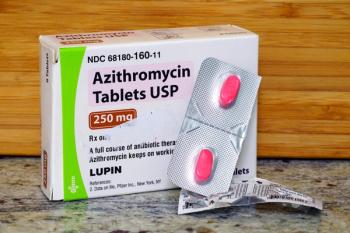
Pharmacists reviewing pediatric respiratory prescriptions can reinforce guideline-first antibiotic choices as pneumococcal resistance persists.
Pharmacists reviewing pediatric respiratory prescriptions can reinforce guideline-first antibiotic choices as pneumococcal resistance persists.

As more patients track their cycles to prevent pregnancy, pharmacists can help choose evidence-based tools and avoid unproven apps.

In collaboration with NPhA, Jacinda Abdul-Mutakabbir, PharmD, MPH, FIDSA, discusses Operation Immunization and its unique approach to engaging with communities.
Our hosts say pharmacies need prior authorization-specific SOPs, a close reading of each PBM’s provider manual, and thorough documentation.

As CVS splits off its retail stores and PBMs rethink vertical integration, experts say pharmacists should help employers understand pharmacy benefits.

The first antibiotic applied directly to the surgical wound adds a new formulary and stewardship decision for health-system pharmacists.

A new NPhA program argues that pharmacists’ biggest effect on vaccine uptake may come from within their communities rather than the pharmacy.

With new PBM rules taking shape after the midterms, experts say pharmacists should push CMS and state regulators to hold PBMs to these laws.

More than a third of adults with diabetes now have a coded hyperglycemia diagnosis, with the fastest growth in diabetes among commercially insured patients.

Experts say PBM enforcement, vertical integration, and drug pricing will shape pharmacy practice now that Democrats control Congress.

With COVID-19 shots now a shared decision for some, VA data give pharmacists head-to-head evidence to guide older adults’ choices.

Pharmacists who vaccinate older adults face a serotype that current conjugate vaccines have yet to control.

At ObesityWeek 2026, experts called GLP-1s a valuable tool and looked at what else patients need for lasting health, from new therapies to coverage and prevention.
As patients and prescribers flood pharmacies with peptide questions, an expert explains how pharmacists can turn confusion into counseling.

The incoming Senate Finance majority can put PBMs back in the spotlight as Medicare develops new standards for pharmacy network contracts.

Lucy Andrews, PharmD, breaks down the new name for polycystic ovary syndrome and explains how pharmacists can help women get answers sooner.

Iron deficiency, which pharmacists often treat with OTC supplements and adherence counseling, may be an underrecognized contributor to heart failure in pregnancy.

Sponsored Content
RedSail Technologies’ Nicole Pezzino, PharmD, MBA, BC-ADM, CDCES, discusses affordability at the pharmacy counter and how automation benefits pharmacists and their patients.
The withdrawal came on the eve of a Senate committee vote, leaving the FDA without a nominee as vaccine and mifepristone debates continue.

Despite conflicting opinions regarding safety, experts are exploring peptides for uses that run the gamut of patients’ clinical care.

Owners believe clean plan-to-patient matching before January 1 is one of the simplest ways to protect cash flow in 2027.

The PAHO confirmed the loss after more than 12 months of continuous transmission, putting renewed focus on pharmacists' role in closing vaccination gaps.

New PBM compensation disclosures and audit rights could help employers spot reimbursement practices that hurt independent pharmacies, if they act.

With patients buying gray-market peptides, HHS’s draft policy aims to reunite prescribers, patients, and pharmacists around these emerging products.

Despite Gazyva being the first drug accepted to treat this type of nephropathy, it’s already approved for a host of other conditions.

For patients with schizophrenia or bipolar I or II disorder, dexmedetomidine use will no longer require provider supervision.

High-income countries gained the most economic value from COVID-19 vaccines but low-income countries got the most per-person vaccinations relative to GDP.

The candidate vaccine’s next steps will be going through the FDA’s Biologics License Application process.
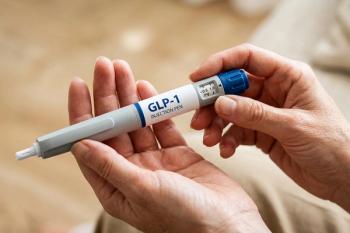
The Milken Institute released survey results alongside new data regarding the need for pharmacists in extending effective GLP-1 care.
Through the ACCESS program, Mark Ey, RPh, notes that pharmacies can now start billing for a variety of services they’ve already been providing.