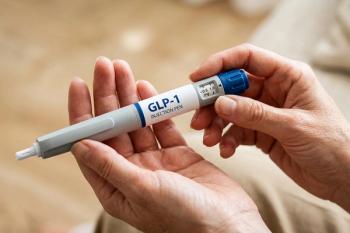
At ObesityWeek 2026, experts called GLP-1s a valuable tool and looked at what else patients need for lasting health, from new therapies to coverage and prevention.
More than a third of adults with diabetes now have a coded hyperglycemia diagnosis, with the fastest growth in diabetes among commercially insured patients.
Diabetes among US adults under 65 rose from 8.99% in 2018 to 10.61% in 2024, according to a JAMA Network Open analysis of more than 285 million person-years of medical claims.1
These findings come at a time when new diabetes therapies are being developed rapidly, health care leaders are pushing a personalized approach to care beyond glucose control, and the pharmacist is gathering at the center of it all.
“Here we are decades later and there’s no such thing as a person with just diabetes,” Susan Cornell, PharmD, CDCES, FAPhA, FADCES, clinical pharmacist and diabetes care and educational specialist at the Bolingbrook Christian Health and Will-Grundy Medical Clinics, previously told Drug Topics®. “It goes hand in hand with cardiovascular disease, kidney disease, liver disease, cognitive function.”
READ MORE:
Granular analysis of medical claims data shows that commercially insured adults experienced the fastest rate of growth in diabetes, with prevalence climbing from 7.49% in 2018 to 9.46% in 2024. Although overall diabetes rates among individuals under age 65 rose by 1.63%, managed Medicaid enrollees maintained a higher baseline prevalence at 14.3%, and Medicare Advantage enrollees under 65 reached 21.21% in 2024. Geographic variation was also pronounced, with 2024 state prevalence rates ranging from 6.01% in Montana to 14.88% in Mississippi.1
These recent insurance findings align with national health survey estimates from the CDC, which reports a total adult diabetes prevalence of 15.8%, including 11.3% diagnosed and 4.5% undiagnosed. Undiagnosed cases account for more than 23% of all adults living with the condition. Long-term national data illustrates a steady upward trajectory over 2 decades, rising from 9.8% in 1999 to 14.3% in 2018.2,3
Despite therapeutic advancements, historical survey data indicate that only 21.2% of diagnosed adults achieved all 3 primary control goals for glycated hemoglobin, blood pressure, and low-density lipoprotein cholesterol. Young adults aged 18 to 44 faced the lowest achievement rate at just 7.4%, emphasizing a persistent gap in risk-factor management.3
To address these expanding clinical gaps, updated consensus reports from the American Diabetes Association (ADA) and European Association for the Study of Diabetes (EASD) call for a fundamental shift toward whole-person care. Health care specialists emphasize that pharmacists occupy an ideal position to evaluate concurrent cardiovascular, renal, and metabolic therapies because they manage complete medication profiles.4
With total national health care expenditures for diagnosed diabetes reaching $412.9 billion, pharmacy-led adoption of
Pharmacy interventions are equally essential for optimizing newer treatment options such as glucagon-like peptide-1 (GLP-1) receptor agonists. Real-world evidence reveals substantial patient drop-off, with 47% to 68% of individuals discontinuing GLP-1 therapy within 12 months and over 70% stopping within 2 years. This high attrition rate leads to weight regain and loss of valuable cardiometabolic benefits.5
Public opinion research shows that 93% of GLP-1 users maintain complete confidence in pharmacists, creating a strong foundation for pharmacy-driven clinical support.
By conducting structured check-ins during initiation and titration, navigating complex prior authorization barriers, and offering nutritional guidance, pharmacy teams can help patients overcome side effects and achieve lasting health improvements.5
“We found large geographic differences in the prevalence of diagnosed diabetes and diagnosed hyperglycemia, as well as an upward trend in rates for women and men and across insurance groups,” concluded authors of the current study.1 “Large-scale claims data represent a promising approach to documenting and monitoring efforts to reduce prevalence rates of chronic disease in the adult population.”
READ MORE: