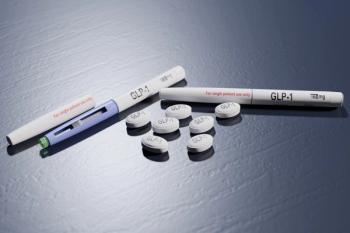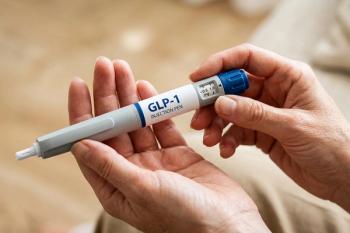
The Milken Institute released survey results alongside new data regarding the need for pharmacists in extending effective GLP-1 care.
At ObesityWeek 2026, experts called GLP-1s a valuable tool and looked at what else patients need for lasting health, from new therapies to coverage and prevention.
Glucagon-like peptide-1 (GLP-1) receptor agonists still dominate the obesity conversation, but leaders at ObesityWeek 2026 argue that long-term health depends on looking beyond these drugs alone.1
“What patients don't realize who have not yet started these medications is that there's a whole other set of challenges and things that will be associated with success in care beyond the initiation,” Brian Smith, PharmD, chief pharmacy officer at Shields Health Solutions, told Drug Topics®. “I think of it more so as the starting of treatment, and then the maintenance of treatment to help them achieve that longer-term goal, which is what they're trying to get to.”
That shift from starting treatment to staying on it puts pharmacists at the center of obesity care, as they help patients deal with coverage changes, find alternatives when GLP-1s are out of reach, and keep going after the first prescription. Read on for key insights from ObesityWeek 2026 and what each means for pharmacy practice, from a new treatment for post-bariatric hypoglycemia to the GLP-1 prescribing debates among otherwise healthy patients.1
READ MORE:
Navigating the evolving reimbursement landscape represents one of the most immediate challenges for pharmacy teams supporting weight management.2
To expand patient access, federal officials launched the Medicare GLP-1 Bridge program to provide coverage for select anti-obesity medications from July 1, 2026, through December 31, 2027. The Centers for Medicare and Medicaid Services (CMS) extended this temporary bridge initiative because the broader BALANCE demonstration model was postponed after major Part D plan sponsors expressed financial risk concerns surrounding 10-year cost projections that were estimated between $25 billion and $35 billion.3,4
Under the Bridge program, eligible beneficiaries enrolled in standalone Part D or Medicare Advantage plans can access covered GLP-1 medications for a capped $50 monthly copay. Clinical eligibility requires specific diagnostic thresholds, including a body mass index (BMI) of 35 or higher, or a BMI of 30 or higher paired with comorbid heart failure, uncontrolled hypertension, or advanced chronic kidney disease.3
Pharmacists play a vital role in processing these claims by coordinating electronic prior authorizations with prescribers through central clearinghouses such as CoverMyMeds.
Despite these expanded coverage pathways, real-world insurance barriers remain formidable. Data presented at ObesityWeek 2026 indicated that more than 35% of initial GLP-1 prior authorization requests for commercially insured patients were denied. The primary drivers of these denials included plan exclusions, unmet clinical eligibility criteria, and mandatory step-therapy requirements.5
This access gap arrives at a critical juncture, as epidemiological analyses reveal that the number of Medicare beneficiaries with obesity reached 24.6 million people by 2023, including 4.5 million individuals living with severe obesity. These patients experience disproportionately high rates of diabetes, metabolic dysfunction-associated steatohepatitis, and cardiovascular disease.
When coverage barriers delay treatment, pharmacists are often tasked with helping patients evaluate alternative access routes, including manufacturer assistance programs or cash-pay options, while ensuring treatment continuity.2
As the understanding of metabolic disease deepens, the clinical pipeline is expanding beyond established GLP-1 monotherapies to address diverse patient needs. A major highlight from ObesityWeek 2026 was the pivotal phase 3 LUCIDITY trial evaluating avexitide, a novel GLP-1 receptor antagonist.1,6
Trial results demonstrated that avexitide significantly reduced level 2 and level 3 post-bariatric hypoglycemia occurrences in adults following gastric bypass surgery, offering a targeted therapeutic option for a challenging postsurgical complication. In addition, dual-targeted combination therapies showed strong efficacy, with the REDEFINE 9 trial showing that cagrilintide combined with semaglutide (CagriSema) produced substantial body weight reductions compared with placebo.
READ MORE:
Research presented at the conference also underscored advancements across specialized patient demographics and rare metabolic conditions. Clinical data on setmelanotide demonstrated meaningful BMI reductions over 2 years for patients with acquired hypothalamic obesity, alongside new international expert consensus criteria designed to help clinicians identify brain-injury-related weight gain.1,6
In pediatric care, the STEP Young trial demonstrated semaglutide efficacy in children as young as 6, while the SURMOUNT-ADOLESCENTS trial confirmed robust BMI reductions with tirzepatide in teenagers. Furthermore, conference sessions addressed complex ethical questions regarding whether GLP-1 receptor agonists should be prescribed to otherwise healthy individuals with excess weight, while collaborative research from The Obesity Society and the Korean Society for the Study of Obesity explored fat tissue cellular differences to guide future precision interventions.
Achieving lasting success in obesity management requires a shift toward long-term treatment maintenance and comprehensive patient care. Observational studies presented at ObesityWeek 2026 revealed that real-world GLP-1 prescribing frequently deviates from clinical trial protocols, with most patients escalating doses more slowly than label recommendations.1,2,5
However, maintaining treatment persistence yields significant clinical and financial benefits.
A 12-month persistence analysis demonstrated that continuous GLP-1 therapy was associated with a $1422 to $2400 reduction in annual medical costs, alongside a 22% to 24% decrease in emergency department visits and up to a 42% reduction in inpatient hospital admissions. Conversely, clinical data from the STEP 1 extension and SURMOUNT-4 trials emphasize that stopping semaglutide or tirzepatide leads to substantial weight regain, reinforcing the necessity of ongoing therapy for chronic disease management.2,5
Pharmacists occupy a primary position to optimize safety, mitigate adverse effects, and prevent treatment interruptions. Patient counseling must address common gastrointestinal side effects and clarify administration requirements, such as advising patients taking oral contraceptives alongside tirzepatide to use non-oral or barrier contraceptive methods for 4 weeks following initiation and after each dose increase.2
Pharmacists must also protect patients against unapproved compounded GLP-1 preparations and correct unrealistic therapeutic expectations. Effective management extends beyond medication alone, as conference presentations emphasize using digital health wearables to monitor metabolic change and addressing neurodevelopmental factors such as early childhood exposure to ultra-processed foods.1,2
Because economic studies show that obesity-related conditions like chronic kidney disease and heart failure generate immense workplace productivity losses exceeding $22,000 annually per patient, holistic care models that combine pharmacotherapy with behavioral and digital support are essential for long-term health.5
“What excites me most isn't necessarily the next medication, it's what happens when we start thinking about pharmacists as longitudinal partners in cardiometabolic care,” Nicole Pezzino, PharmD, MBA, BC-ADM, CDCES, director of clinical and technical services at RedSail Technologies, told Drug Topics®. “As scope of practice, collaborative practice opportunities, and payment models evolve, I see potential for pharmacists to take on larger roles in medication initiation and adjustment where authorized, ongoing monitoring, side-effect management, adherence and persistence programs, and coordination with other health care professionals.”
READ MORE: