Our hosts explore why ketone monitoring matters, what pharmacists should know about Libre Duo, and how patient education can support proactive care management.
The Milken Institute released survey results alongside new data regarding the need for pharmacists in extending effective GLP-1 care.
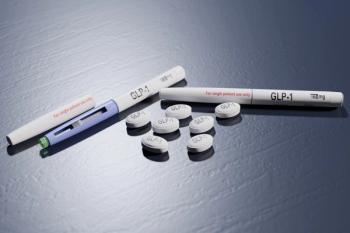
Nearly 3 in 4 glucagon-like peptide-1 (GLP-1) medication users say more time with a pharmacist would improve their experience and results with their therapy, according to survey research released alongside a new Milken Institute report on community pharmacy’s role in GLP-1 care.1
“A prescription is a beginning, not a finish line,” said President and CEO of the National Association of Chain Drug Stores (NACDS) Steven C. Anderson, FASAE, CAE, IOM, according to the release of the report. “From H1N1 to COVID-19, pharmacies have shown that expertise, accessibility, trust, and scale can move the health of a nation. GLP-1 medications are the next frontier.”
Despite rapid adoption of GLP-1 therapies, long-term adherence remains a primary obstacle for patients managing obesity and cardiometabolic conditions. Real-world evidence indicates that roughly 47% to 68% of individuals discontinue their GLP-1 medication within the first year of treatment, with discontinuation rates climbing past 70% at 2 years.2
Stopping therapy often triggers weight regain and reverses valuable cardiometabolic improvements, underlining the necessity of sustained care management beyond the initial prescription fill. Athena Rae Roesler, director at the Milken Institute and report co-author, highlights that community pharmacies are accessible, trusted touchpoints already integrated into daily routines, offering an ideal setting to help consumers navigate these treatments over time.1,2
READ MORE:
Public opinion research demonstrates that 93% of GLP-1 users maintain total confidence in pharmacists as a reliable health resource, matching their trust in physicians and far exceeding their confidence in telehealth services. In addition, 62% of active GLP-1 users report having a personal pharmacist, demonstrating a strong foundation of trust that can be leveraged for continuous clinical support.1,2
Providing comprehensive GLP-1 support requires addressing practical challenges that emerge during therapy. Side effects like nausea, vomiting, and gastrointestinal distress frequently cluster during dose titration, creating key points where patients are at risk of abandoning treatment.
Nicole Pezzino, PharmD, BCACP, BC-ADM, CDCES, suggests that brief check-ins during the first fill and around key milestone windows can resolve problems before patients drop off. She introduces the IMPACT framework to help pharmacy teams systematically identify patients, deliver initial counseling, establish regular refill check-ins, and track health outcomes such as blood glucose and weight.2,3
Effective care also encompasses proactive lifestyle and nutritional guidance to safeguard muscle health during weight reduction. Clinical guidelines recommend higher daily protein intake alongside resistance exercise to prevent sarcopenia, a concern that is especially pronounced among older adults on GLP-1 regimens.2,4
Pharmacies located within retail grocery stores possess a unique ability to translate clinical nutritional guidance directly into healthier food selections and dietitian referrals. Consumer research highlights that 89% of GLP-1 patients would find value in pharmacy starter kits featuring supportive products, educational materials, and exercise resources.1,2,4
Administrative and financial barriers present major obstacles to starting and staying on GLP-1 medications. Complex prior authorization rules and unexpected out-of-pocket costs regularly lead to abandoned prescriptions at the counter. Demonstration initiatives like the Medicare GLP-1 Bridge program help lower copays for qualifying beneficiaries, though public awareness of these pathways remains low.2
Pharmacy staff frequently serve as dedicated navigators who assist patients by identifying formulary alternatives, submitting prior authorizations, and routing claims to savings programs.1,2
Establishing a sustainable service model requires addressing the financial pressures facing retail pharmacies. Dispensing GLP-1 medications alone is rarely profitable, creating financial strain that limits a pharmacy's capacity to deliver uncompensated clinical care. Pezzino emphasizes that clinical expansion must be paired with clear reimbursement mechanisms and efficient team workflows to remain viable long term.2,3
Policy experts and industry leaders advocate for formal billing structures, collaborative practice agreements, and expanded medication therapy management programs to recognize and compensate pharmacists for comprehensive care services.1,2
Unlocking the full potential of community pharmacy requires integrating pharmacists into multidisciplinary care teams through shared protocols and open communication. Regular communication between prescribers and pharmacists ensures safer dose adjustments, better side-effect management, and timely reassessments of concurrent medications. By capturing intervention data and tracking patient outcomes such as A1C and weight retention, pharmacists can clearly demonstrate their clinical impact to prescribers and health plans.2,3
Pezzino stresses that documenting these clinical achievements turns daily pharmacy interventions into measurable evidence that supports long-term service sustainability.3
As GLP-1 clinical trials demonstrate benefits across cardiovascular health, sleep apnea, and liver conditions, community pharmacies are positioned to serve as lifelong partners in chronic disease management. Expanding the role of pharmacy from medication dispensing to ongoing patient navigation fulfills a critical need in modern health care delivery.2-4
With supportive policies, sustainable payment pathways, and collaborative workflows, community pharmacists can guide patients toward lasting health outcomes throughout their GLP-1 journeys.1-4
“Patients are telling us that more access to their pharmacist means more success with these treatments,” concluded Anderson, according to the release.1 “A medication becomes a health outcome when a trusted professional is there for the whole journey.”
READ MORE: