

Kelly Goode examines 2026–27 vaccine guidance for pharmacists, detailing updated flu, COVID-19, and RSV recommendations and coadministration.
Kelly Goode examines 2026–27 vaccine guidance for pharmacists, detailing updated flu, COVID-19, and RSV recommendations and coadministration.

In part 2, Scott Stoll and Kenzie Hohman, PharmD, explain their respective advocacy efforts, highlighting the sheer range of a profession fighting for change.

Live attenuated influenza vaccine increased pneumococcal density in vaccinated children, raising odds of pneumococcal infection among household contacts.

Kenzie Hohman, PharmD, and Scott Stoll believe pharmacy advocacy is inherent in its workforce, despite the constant and deterrent pressures it faces.

The federal government is actively looking to enhance its evolving approach toward US childhood vaccine recommendations.

The first new US sunscreen active ingredient in years is reaching shelves through dsm-firmenich's Parsol Shield and Ultra Violette's new SPF launch.

Data show starting antivirals within 48 hours of symptom onset sharply lowers pediatric hospitalization risk.

The approval gives pharmacists a new nonTNF biologic option across both major forms of pediatric inflammatory bowel disease.
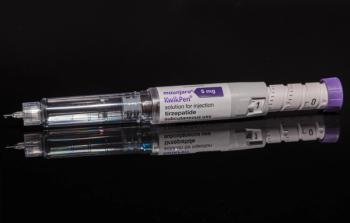
With previous approvals for weight loss and sleep apnea, tirzepatide is opening doors to a healthier well-being for patients living with type 2 diabetes.

Pfizer and BioNTech, Moderna, Sanofi, and Takeda received FDA approval for updated 2026-2027 COVID-19 vaccines reformulated to target the XFG variant.
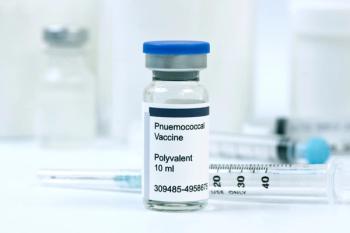
New consensus confirms that chronic obstructive pulmonary disease, asthma, bronchiectasis, and lung cancer are indications for pneumococcal vaccination.

This fall’s event will focus on the expanding role of pharmacists in providing patient care with clinical value, prevention, and more.

Researchers identify the resources and opportunities available for community pharmacies to incorporate climate-conscious health care practices.

A study links dormant virus reactivation during COVID-19 hospitalization to inflammation-driven immune changes and long COVID disability.

Focusing on serotype distribution, resistance trends, and vaccination impact, researchers analyze invasive pneumococcal disease burden.

A study found that community pharmacists are viewed as medication dispensers, with gaps in awareness screening, counseling, and other prevention services.

Exploring rural and urban density data, and the factors that lead to it, researchers review community pharmacy prominence across Australia.

The combination of bictegravir and lenacapavir gives virologically suppressed adults with HIV a new option showing sustained viral suppression.

The once daily medication outperformed placebo across all 9 key secondary end points in the phase 3 VALOR trial.

Through real-world strategies and examples, Duane Jones, BS Pharm, and Jennifer Griffin, PharmD, assess the pharmacist’s growing prescribing capabilities.

Community pharmacy owners found that innovation readiness was associated with how quickly pharmacies rolled out remote services during the early pandemic.

As pharmacy expands, experts are searching for what drives or hinders the collective growth of professional pharmacy services.

Once maternal major depressive disorder is disentangled from drug exposure, SSRIs carry little or no added risk in pregnancy, according to analysis.

A tool now tracks measles, meningitis, and whooping cough at the state and substate level, giving pharmacists a new resource to identify local outbreaks.

The approval gives providers a second-generation integrase inhibitor to start eligible newborns with HIV-1 on therapy from birth.

Duane Jones, BS Pharm, and Jennifer Griffin, PharmD, share real-world examples of how pharmacists’ medication expertise is transformative for patients.

Diabetes regimen adjustments for older adults with type 2 diabetes often do not align with glycemic goals, with deintensification remaining infrequent.
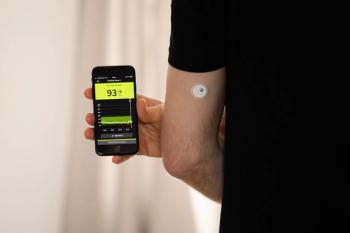
The Libre Duo 10 Day Continuous Dual Glucose Ketone Monitoring System will soon be available for patients 2 years and older with diabetes.

Researchers assess medication adherence and its associated factors among families of patients with schizophrenia and type 2 diabetes.

Strong first-season effectiveness against respiratory syncytial virus hospitalization but finds no protective benefit in year 2.