

The FDA’s Pharmacy Compounding Advisory Committee will meet in late July of 2026 to convene on peptides and their inclusion on the 503A Bulk Drug Substances List.
The FDA’s Pharmacy Compounding Advisory Committee will meet in late July of 2026 to convene on peptides and their inclusion on the 503A Bulk Drug Substances List.
A head-to-head trial shows a protein-based COVID-19 booster causes fewer adverse effects, boosting patient preference and aiding pharmacists.
In an evolving pharmacy landscape, accreditation can be difficult to manage, which is why experts like Mitch Lamb, PharmD, can steer businesses onto their desired paths.

Under a 12-month agreement, the Utah authorities granted companies permission to use generative AI to authorize medication refills for state residents.

This proposed rule builds on previous CMS guidance from 2020 and 2024.

FDA expands Tzield use to age 1 year to delay stage 3 type 1 diabetes, enabling earlier immune intervention.

Community pharmacists can spot chronic wound red flags, boost diabetes control, and guide prevention for faster healing and safer care.

New research examines what drives, or hinders, pharmacists when guiding patients through self-medication decisions for minor ailments like cold and flu.

In an exploration of pharmacists’ self-efficacy, researchers explored medication counseling outcomes for older adults across various languages.

Cloned pharmacy sites and fake GLP-1 weight-loss pens surge online, prompting federal crackdowns and urgent safety warnings for patients.

FDA approves Idvynso, a 2-drug HIV switch option for suppressed adults, supporting simpler care as people age with HIV and manage multiple conditions.

Pharmacists cut through wound-care aisle confusion, explaining simple steps, moist healing, and when basic dressings beat pricey ointments.

Researchers conduct an exploration of e-prescription challenges and potential across pharmacies in Germany.

Sally Rafie, PharmD, BCPS, discusses current developments regarding access to the abortion pill and other notable events regarding women’s reproductive rights.

The executive order mandates national priority vouchers for psychedelic drugs that have received breakthrough therapy designations.
This episode highlights key DSCSA updates in 2026, T3 documentation going forward, and many more developments surrounding the law.

Low pneumococcal vaccine rates have potential to significantly impact a variety of at-risk populations, even groups of certain health care workers.

New IL‑33 antibody cuts chronic obstructive pulmonary disease flare-ups in phase 3 trials, showing benefit and safety.
A long-term trial shows oral orforglipron boosts A1C and weight loss with reassuring cardiovascular safety and simpler dosing for type 2 diabetes.

Practical pharmacy wound care tips include choosing modern dressings, spotting infection red flags, and knowing when to refer.
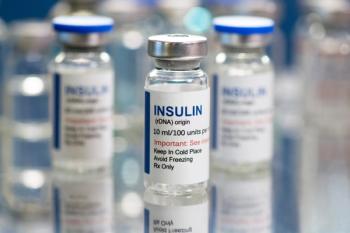
Pharmacists optimize insulin therapy, including basal and bolus dosing, missed-dose tips, continuous glucose monitoring insights, and affordability.

New research shows older adults vaccinate more when confident navigating their health care.

Researchers measure exactly how much pharmacist-provided care is being underbilled and what gaps mean for the future of reimbursement.

New 2026 guidance backs long-term obesity drugs, spotlighting GLP-1 benefits, side effects, and off-label risks pharmacists must navigate.

Through the lens of changes in medication adherence, researchers assessed differences in CVD-related emergency department visits and total cost of care.

The most common mistake pharmacists can make when promoting their new clinical service is not marketing it.
With a 7-year target date, the FDA is moving away from 10-digit NDCs and toward a universal 12-digit format.

The drug could be an effective analgesia with a safety profile that could fundamentally alter the landscape of pain management and addiction treatment.
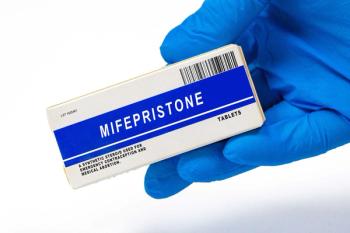
In a recent research letter, investigators establish how removal of in-person dispensing requirements impact mifepristone pharmacy access.

In this episode, Natalie DiPietro Mager, PharmD, PhD, meets with Kami Dixon, MD, MA, to discuss the racial disparities across women’s health in the US.