
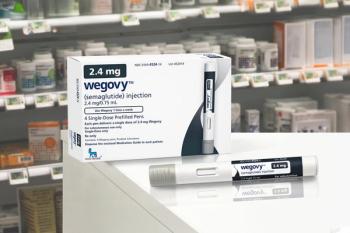
Semaglutide resulted in a significant reduction in the risk of MACE within the first 3 months of treatment compared to placebo.
Semaglutide resulted in a significant reduction in the risk of MACE within the first 3 months of treatment compared to placebo.

Patients with psychosis, depression, and anxiety exhibit higher rates of vaccine hesitancy.

Greg Miller, RPh, discussed the past, present, and future of the Inflation Reduction Act and key insights pharmacists should understand in order to keep up with the legislation.

In a phase 3 study, 57% of patients treated with icotrokinra achieved an Investigator's Global Assessment score of 1 or 0 and a grade 2 or more improvement at week 16.
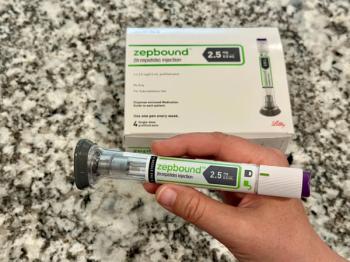
Tirzepatide (Zepbound) demonstrated superiority compared to semaglutide (Wegovy) across the primary end point and 5 key secondary end points.

The order is set to make patients’ prescription costs similar to other nations with the lowest-priced drugs in the world.

Investigators find that unhealthy eating and inadequate or excessive sleeping duration could contribute to developing diabetic nephropathy.
Douglas Hoey, CEO of NCPA, discusses what independent pharmacies can do to handle an influx of patients and what the chain’s situation means for the pharmacy landscape.

Stanley V. Campbell, Jr., CEO of EagleForce Associates, Inc., and Yi Deng, PhD, Senior Vice President of Engineering at EagleForce, discuss the basics of AI and how it’s assisting with compliance.

The therapy achieved positive results during a phase 2b trial on the primary endpoint of percent change in Eczema Area and Severity Index (EASI) score.

The therapy is currently under FDA review and has a PDUFA action date of May 22, 2025.

Angiotensin-converting enzyme inhibitors have been known to be more effective in decreasing the incidence of major adverse cardiac events for patients with diabetes.

Guselkumab is the first and only IL-23 inhibitor to demonstrate robust data as a fully subcutaneous regimen.

Patients often have anxiety about potential adverse effects, and experiencing adverse effects can affect patient adherence.

A phase 2 study found 95% of patients achieved a sustained virologic response at 12 weeks regardless of treatment adherence.

Selarsdi is interchangeable for all indications of ustekinumab, including treatment of psoriatic arthritis, plaque psoriasis, Crohn disease, and ulcerative colitis.

The use of electronic prescribing can also bridge the gap in clinical history, which can help pharmacists be aware of adverse drug reactions and medication interactions.

Among patients treated with buprenorphine, 25.4% experienced adverse pregnancy outcomes, compared to 30.8% in the untreated group.

Vaccination changes serotype distribution from vaccine-type serotypes to nonvaccine-type serotypes.

Sarah Thomas and David Skomo of HealthDyne discuss some of the most useful innovations that have been helpful for pharmacies.

Casey Koch, PharmD, MBA, BCACP, clinical pharmacy coordinator at SelectHealth discusses how pharmacists can reduce patient burden.

Global virus and public health experts gathered to assess the need for an enhanced response to the bird flu spreading among humans and animals.

The investigators of a study also found that patient satisfaction with long-acting injectable antiretroviral therapy was equally as high when comparing home and clinic administration.

Shingle vaccination is recommended for adults 50 years and older and for adults 19 years and older who have a weakened immune system due to disease therapy.

As pharmacy schools continue to deal with recruitment challenges, the pharmacy workforce has its own set of challenges, including interest in nontraditional roles.
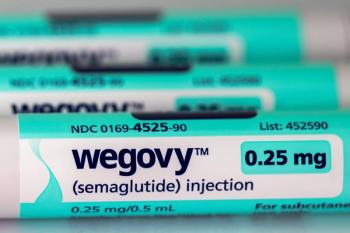
The nation’s largest PBM is placing Novo Nordisk’s premier weight-loss drug atop its formulary beginning July 1, 2025.

In the researchers’ review of data since 1990, they explored the global burden of infertility and the extent in which it is caused by either STIs or maternal sepsis.

Douglas Hoey, CEO of NCPA, discusses what pharmacies can do to increase revenue and avoid shutting their doors.

The Inflation Reduction Act's drug price negotiations could lead to reimbursement complexities, potential pharmacy closures, and reduced patient access to medications, particularly specialty drugs.
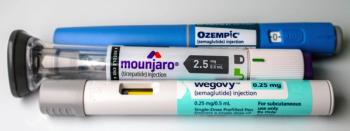
Although the market is expected to continue to become more popular, compounding pharmacies will no longer be allowed to manufacture these medications, as shortages have been listed as resolved.