

FDA staff review recommends against adding 7 peptides to the 503A bulk list, citing gaps in characterization, effectiveness, and safety data.
FDA staff review recommends against adding 7 peptides to the 503A bulk list, citing gaps in characterization, effectiveness, and safety data.

The approval extends risankizumab to children 6 years and older and introduces a new weight-based 55 mg prefilled syringe.

This approval provides pharmacists with an option for patients whose levels remain refractory to lifestyle and standard medication.

The first generic rifapentine expands affordable treatment for active and latent tuberculosis.
This episode highlights the FDA’s announcement regarding GLP-1 supply stabilization and critical compliance strategies for 503A pharmacies.

FDA advisors back Moderna’s mRNA flu shot for older adults, hinting at a potential egg-free option for 2026–2027.
The pneumococcal vaccine is approved for protection against 21 serotypes in adults over 18 and children between 2 and 17 at high risk of disease.

FDA clears first generic Xofluza tablet, bringing affordable single-dose flu treatment and prevention.
GSK and Spero Therapeutics’ newly approved carbapenem could be a standard of care in adults with complicated urinary tract infections who prefer oral administration.

A study examining naloxone sales found that retail OTC sales have been surprisingly limited despite improvements in access.

This decision marks a milestone in clinical pharmacy as it targets the underlying autoimmune destruction of pancreatic beta cells.

FDA clears first OTC CGM for children 2 years and older, expanding tracking beyond prescriptions for pediatric populations.

Lebrikizumab enables 8‑week maintenance dosing for severe eczema, reducing injections to 6 yearly while maintaining strong skin‑clearance results.
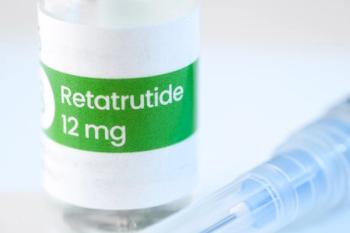
Reports state that everyone from “shadowy online vendors” to physicians and nurses is illegally promoting the drug before it receives proper FDA approval.

The decision represents the first new sunscreen ingredient permitted in the United States since the late 1990s.

Pharmacists help women choose safer hormone replacement therapy or nonhormonal relief options.

The approval arrives prior to the Prescription Drug User Fee Act action date of June 16, 2026.

This regulatory milestone establishes inhaled insulin as the first and only noninjectable mealtime insulin option for children and adolescents.

FDA updates Tremfya label in psoriatic arthritis, confirming it slows structural joint damage and helping patients protect mobility while easing symptoms.

New FDA label lets linaclotide treat functional constipation in children 2 to 5, with dosing tips, mixing options, and key safety warnings.

The FDA clears Hepcludex, the first chronic hepatitis D therapy, offering new hope with strong viral suppression data and key safety monitoring needs.

New FDA guidance sharpens postmarket pregnancy drug safety data, improving labels and empowering pharmacists to report adverse events.
With Commissioner Makary resigning just days prior, this marks the second and third major change in the federal agency’s leadership this month.

The approval also includes an interchangeability designation, meaning both products can be substituted at the pharmacy level.

FDA approves Baxfendy, a new oral aldosterone blocker, to help hard-to-control hypertension.
FDA leadership shifts as Marty Makary resigns amid drug, vaccine and mifepristone disputes; Kyle Diamantas steps in as acting commissioner.
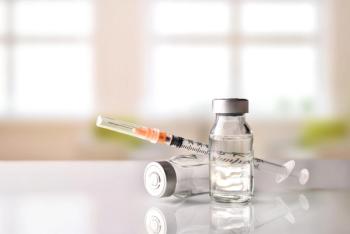
FDA clears Langlara interchangeable insulin glargine, enabling pharmacy substitution for Lantus and widening affordable basal insulin access.

The FDA expands Auvelity for Alzheimer-related agitation, offering a first nonantipsychotic option backed by trials.

FDA approves Caplyta to prevent schizophrenia relapse, cutting risk 63% with a stable metabolic profile.

The adeno-associated virus (AAV) vector-based gene therapy lunsotogene parvec-cwha received approval through the FDA Commissioner’s National Priority Voucher pilot program.