

First approved for adults in 2022, the therapy is now cleared for adults and pediatric patients weighing 66 lbs or more with symptomatic obstructive hypertrophic cardiomyopathy.
First approved for adults in 2022, the therapy is now cleared for adults and pediatric patients weighing 66 lbs or more with symptomatic obstructive hypertrophic cardiomyopathy.
The once daily tablet is expected to reach US patients in October 2026.
The label expansion adds patients 12 years of age and older to the once daily alopecia areata indication.
This episode offers a detailed look into the FDA’s recent PCAC meeting and what the future of peptide compounding could lead to for pharmacy professionals.

Eli Lilly’s new indication helps improve medication delivery for adults with type 2 diabetes, reducing annual injections by over 300.

The update adds efficacy and safety data on adults newly diagnosed with pulmonary arterial hypertension.

The approval is the first new treatment advance in more than 30 years for chronic kidney disease for adults with type 1 diabetes.

The approval extends the medication to a younger pediatric population, marking the first FDA-approved treatment for children with this immunodeficiency.

The first new US sunscreen active ingredient in years is reaching shelves through dsm-firmenich's Parsol Shield and Ultra Violette's new SPF launch.

The approval gives pharmacists a new nonTNF biologic option across both major forms of pediatric inflammatory bowel disease.

Pfizer and BioNTech, Moderna, Sanofi, and Takeda received FDA approval for updated 2026-2027 COVID-19 vaccines reformulated to target the XFG variant.

The combination of bictegravir and lenacapavir gives virologically suppressed adults with HIV a new option showing sustained viral suppression.

The once daily medication outperformed placebo across all 9 key secondary end points in the phase 3 VALOR trial.

The approval gives providers a second-generation integrase inhibitor to start eligible newborns with HIV-1 on therapy from birth.
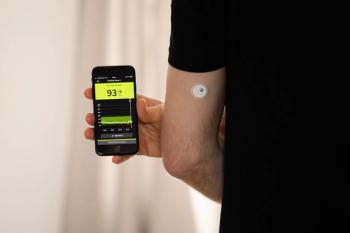
The Libre Duo 10 Day Continuous Dual Glucose Ketone Monitoring System will soon be available for patients 2 years and older with diabetes.
Heidi Overton, MD, PhD, was nominated to the position amid debates on abortion pill access, childhood immunization schedules, and more.

Hailey Choi, PharmD, BCAC, CDCES, Jana Murry, PharmD, RPh, and Spencer Casella, PharmD, RPh, answer key questions on GLP-1 compounding.

The expanded approval adds a self-administered autoinjector option and new label language tying LDL-C lowering to reduced cardiovascular risk.
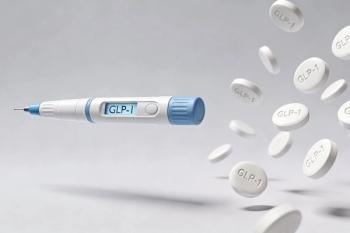
The year 2026 has brought a stark paradox to American pharmacy practice, and it’s affecting the most sought-after prescription drugs on the market.

The approval gives pharmacists a new, nonegg-based seasonal influenza option for adults 50 and older ahead of the 2026-2027 flu season.

Oveporexton, an oral orexin receptor 2 agonist, is the first medicine to restore orexin signaling rather than manage symptoms of the rare sleep disorder.

This medication is the first FDA-approved OTC innovation in the cold and flu category in 14 years.

The rapid-acting insulin aspart biosimilar adds a third interchangeable option to NovoLog, with implications for pharmacy dispensing and counseling.

Viatris' new transdermal patch adds a low-dose estrogen option to the contraceptive landscape.
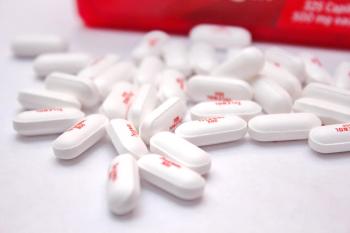
The opioid-free product pairs acetaminophen with naproxen in a single dose, giving pharmacists a new counseling point for patients.

The approval is backed by pivotal phase 3 trials and carries boxed warnings for suicidal ideation in pediatric patients and abuse potential.

In the first of a 2-day hearing on peptide therapy access, the FDA votes in favor of approving 4 of the products discussed, with the potential for more on Friday.
Lipfendra (enlicitide) showed placebo-adjusted low-density lipoprotein cholesterol reductions of more than 50% in 2 phase 3 trials.

Subcutaneous lecanemab-irmb can now be self-administered or given by a caregiver from the first dose, eliminating the requirement for an initial in-clinic intravenous infusion.

Atacicept-vymj is the first medication for immunoglobulin A nephropathy that targets both B cell activating factor and a proliferation-inducing ligand inhibitors.