














































The new medication reduces HbA1c and improves glycemic control as an adjunct to diet and exercise.
The new medication reduces HbA1c and improves glycemic control as an adjunct to diet and exercise.

Pharmaceutical makers, price managers out of control with ‘necessary drug’ for millions, Attorney General says.

The American Diabetes Association has updated their Standards of Care, which includes new hypertension guidelines, medication guidance, and emphasis on weight loss.

Eli Lilly and Company and Boehringer Ingelheim announced their SGLT2 inhibitor, empagliflozin, was associated with statistically significant reductions in HbA1c relative to placebo therapy among a population of pediatric patients with type 2 diabetes in the DINAMO trial.

The program Project Power helps give children and their families the tools to reduce disparities found with diabetes.
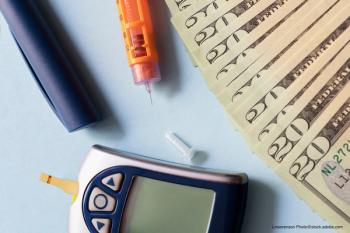
The Medicare Part D Senior Savings Model — a CMS effort to test $35 copays for insulin — led to lowered total costs for beneficiaries.
By offering resources such as free samples and generic alternatives, pharmacists can help patients lower costs.

Dexcom expects the device to launch in the United States early next year.

Diabetes self-management education and diabetes prevention programs can improve patient outcomes including mental health and HbA1C.

New research adds more evidence of Black patients facing disparities in diabetes care.

European research examines antibiotic exposure and its potential impact on future type 2 diabetes risk.
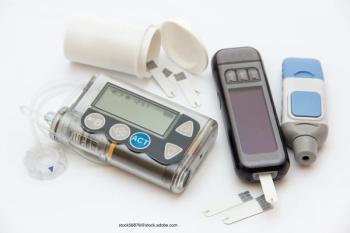
Take a look back at our most popular diabetes coverage for 2022.

New research indicates that glucose monitoring could lead to lifestyle changes during prediabetes.
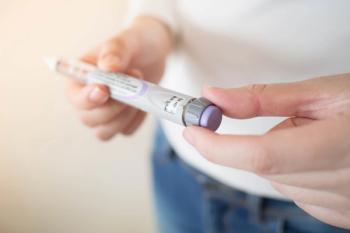
Insulin glargine-aglr received initial FDA approval in December 2021.
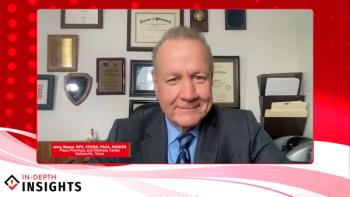
Drs Meece and Goldman share final thoughts on the overall current and future treatment landscape for diabetes.
Addressing fears surrounding insulin injections through education may positively impact treatment adherence.
Experts provide suggestions for optimizing patient education by encouraging patient engagement.

Jennifer D. Goldman, RPh, PharmD, CDCES, BC-ADM, FCCP, discusses topics to address with patients to ensure appropriate self-administration of insulin.
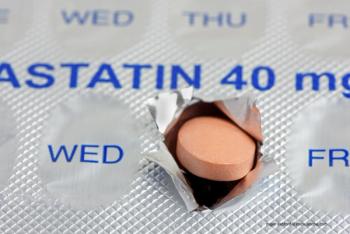
According to a study, use is linked to a lower prevalence of age-related macular degeneration in European populations.
Dr Meece navigates insulin therapy education and ensuring patient adherence.
Drs Goldman and Meece discuss factors surrounding insulin administration.
Drs Goldman and Meece explore an array of drug therapies available to treat diabetes.
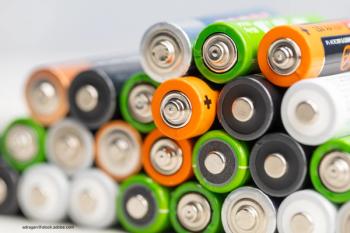
Omnipod DASH PDMs are at increased risk of malfunction if overcharged beyond the maximum battery voltage.

Many diabetes patients are rationing supplies, putting off purchasing them, or completely forgoing them because of costs.

To commemorate Diabetes Awareness Month, the pharmacy is offering a variety of free services.