















































Jennifer D. Goldman, RPh, PharmD, CDCES, BC-ADM, FCCP, explores strategies to increase patient adherence to treatment.

Jennifer D. Goldman, RPh, PharmD, CDCES, BC-ADM, FCCP, explores strategies to increase patient adherence to treatment.

Jerry Meece, RPh, CDCES, FACA, FADCES, initiates a discussion around the increasing prevalence of patients diagnosed with diabetes.

Study examines patient action that ‘is frequently harmful, and sometimes deadly'.

An analysis of data from more than 640,000 people with diabetes recorded between 2015-2020 is providing new insight into what study investigators are calling "troubling" trends in the incidence of CKD in the face a growing diabetes epidemic.

Examining the benefits of using flash glucose monitoring in patients with type 1 diabetes.

Patients with metabolic syndrome and diabetes may be experiencing challenges outside medication management.

New data indicate that a diabetes diagnosis may be associated with earlier onset of menopause.

Pre-pandemic survey examines effects of heart disease, asthma, and more.

Building relationships with patients showed long-term benefits.

Evidence suggests it improves outcomes and reduces hospitalizations.

The iLet Bionic Pancreas was associated with improved glycemic control and time in target glucose range compared to standard care in a cohort of people with type 1 diabetes aged 6-79 years of age.
Two new studies offer conflicting results.

A study provides insight into the real-world effects of 2.4 mg semaglutide (Wegovy) for weight management.
Modeling indicates a significant increase in patients with type 1 diabetes over the next several years.

The risk could allow unauthorized users to change insulin levels.
A survey offers new insight into patient preferences related to newer oral therapies in type 2 diabetes.

Research indicates that using an open-source automated insulin delivery systems can lead to greater glycemic control.
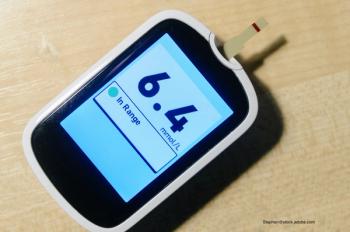
New research offers evidence that tirzepatide could help patients achieve glycemic goals.
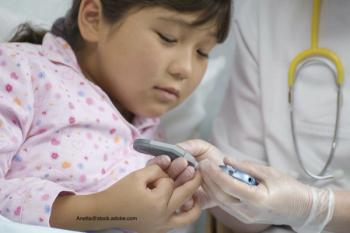
Considering comorbidities is just as important as lowering patient HbA1c.
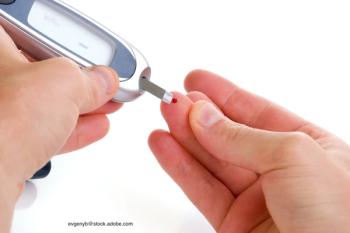
In the early stages of development, researchers find 2 treatments are efficacious for diabetes.
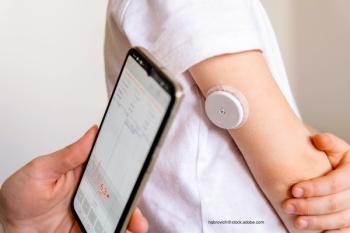
Software updates in closed-loop systems may lead to better time in range numbers for children with type 1 diabetes.

Timing of type 2 diabetes or hypertension diagnosis may impact the risk of primary open-angle glaucoma.
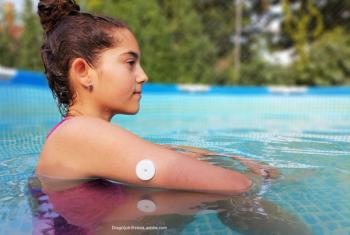
Improved glycemic control could reduce the risk of diabetes-related brain damage among teens and adolescents with type 1 diabetes.

New research indicates the medication has cardioprotective properties.
Using electronic medical record data from 2018-2020 obtained from 24 medical centers across the US, including Johns Hopkins, University of Colorado, and Mayo Clinic institutions, a new study suggests rates of youth onset type 2 diabetes increased 77% during the first year of the pandemic.