








































Research presented at the Heart Failure Society of America 2024 Annual Meeting demonstrated that glucagon-like peptide 1 receptor agonists (GLP-1 RAs) reduced cardiovascular events in patients without diabetes.
Research presented at the Heart Failure Society of America 2024 Annual Meeting demonstrated that glucagon-like peptide 1 receptor agonists (GLP-1 RAs) reduced cardiovascular events in patients without diabetes.
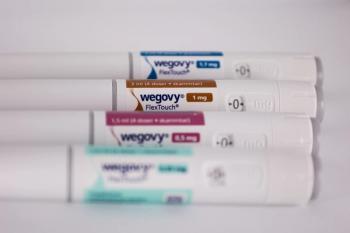
Without financial incentives, some senators expressed concerns that pharmaceutical research and development would stall.

Senators sought to uncover why prices of Novo Nordisk’s GLP-1 receptor agonist semaglutide are significantly higher in the US compared with countries in Europe.
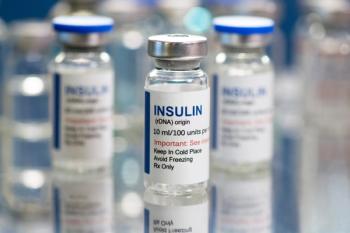
Two phase 3 trials demonstrated that once-weekly insulin efsitora is as effective as daily insulin in lowering HbA1c in both type 1 (T1D) and type 2 diabetes (T2D).
Embecta’s new patch pump offers a larger insulin reservoir to better accommodate for the needs of patients with type 2 diabetes (T2D).
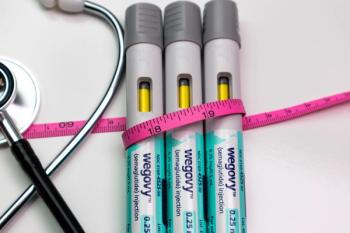
Catch up on important diabetes news from the month of August.
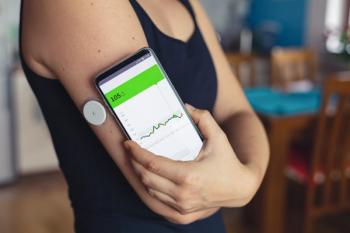
The device was previously cleared for use in children and adults with type 1 diabetes.

Addressing the external factors that can have an impact on patient health can make clinical interventions more effective when administered.

Recent research on diabetes has examined its bidirectional relationship with mental health, the significant increase in prevalence over the last decade, and how both diet and exercise can help prevent type 2 diabetes.

The tools that can be used to reduce health disparities exist, but they must be widely disseminated to populations across the US.

Increased incidence of typed 2 diabetes was associated with higher consumption of processed meat, unprocessed red meat, and poultry.
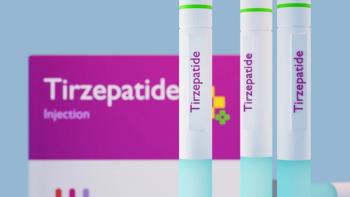
A detailed report of study findings will be published in a peer-reviewed journal and presented at ObesityWeek 2024.
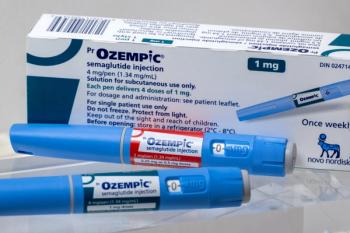
Timothy Mackey, MAS, PhD, discusses a study that sought to determine the risk of sourcing semaglutide from online platforms.
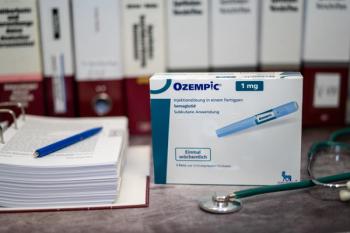
Timothy Mackey, MAS, PhD, discusses the dangers associated with sourcing GLP-1s from illegal online pharmacies and the key role pharmacists play in warning patients.
A collaboration with Blue Cross and Blue Shield of North Carolina focused on commercial populations has improved care and lowered costs in the state.

Both the restructuring of direct and indirect remuneration fees and health care cyber attacks made an impact on the industry in the first half of 2024.
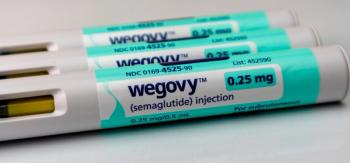
Perhaps unsurprisingly, GLP-1 therapies are expected to continue making headlines within the industry.

To scale up diabetes intervention programs, sustainable workflows, trainings, and payment models are key.

Pharmacists need support—through partnerships and reimbursement—to provide more diverse services to patients.

A study found that CT scans of visceral fat had the highest predictive performance of incident diabetes.

Health care professionals all agree that a healthy diet is the foundation of cardiovascular and cardiometabolic health, but follow-through on the population level is lacking.
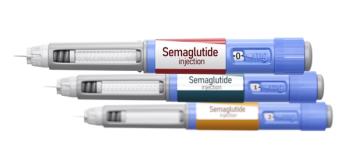
These therapies are highly beneficial, but can come with a host of gastrointestinal adverse effects that patients may not be prepared to manage alone.

Some patients may have difficulty managing the gastrointestinal adverse effects associated with GLP-1 therapies.

Losing even 5% of body weight can improve comorbid conditions and other health complications for individuals with overweight and obesity.
Catch up on important diabetes news from the month of July.