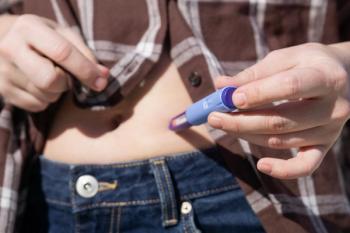
While only 38% of adults with T2D were satisfied with the 200u insulin reservoir for 72 hours of wear, 64% found that the 300u reservoir met their needs for the same duration. For 48-hour wear, 200u and 300u were sufficient for 64% and 85% of participants, respectively, and for 24-hour wear, 94% and 99%, respectively.
Results also showed that compared to MDI, patients with T2D who used 300u insulin patches required the lowest administrations.2 For example, a patient using the mean TDD of insulin would require 90 injections per month, while the same patient could achieve similar results with fifteen 200u patches and just ten 300u patches.
In addition to the larger reservoir, embecta’s system includes a secure controller with Bluetooth wireless technology and a color touchscreen designed to facilitate a simplified interface and user experience.1
“Our research and development, medical affairs and regulatory teams identified an unmet need within the diabetes community and shepherded this project from concept to clearance with dedication and diligence,” said Colleen Riley, MD, chief technology officer at embecta, in the news release.1 “I want to thank the embecta team for their commitment to serving people with diabetes and thank the FDA for their timely review and clearance of a system that has the potential to reduce the burden of managing diabetes for more people and significantly move innovation in this area forward.”
While 9 out of 10 people with diabetes are living with T2D, many automated insulin delivery solutions on the market are designed for those with T1D. This mismatch is particularly concerning given the projected global rise in diabetes incidence. Currently, 529 million people worldwide have diabetes, but this number is projected to surge to 1.3 billion by 2050, largely driven by T2D cases.3
People with T2D face a higher risk of heart disease, stroke, diabetes complications, and premature death. However, the condition is preventable. Therefore, innovative solutions, such as embecta’s, that enable precise monitoring and effective disease management are essential to addressing the conditional landscape.
“FDA clearance of our disposable insulin delivery system has been a top strategic priority for our team since launching embecta as an independent company, and achieving this milestone through strong execution exemplifies our commitment to making life better for the growing number of people with diabetes,” concluded Dev Kurdikar, CEO of embecta, in the same release.1
READ MORE: Diabetes Resource Center
Are you ready to elevate your pharmacy practice? Sign up today for our free Drug Topics newsletter and get the latest drug information, industry trends, and patient care tips, straight to your inbox.
References
2. Wright EE, Shah VN, Thach A, Javadi P, Davies S, Sieradzan R. Evaluating need for larger insulin reservoir in patch pumps: Leveraging retrospective dose data for US adults with T2D on MDI. Presented at: American Diabetes Association 84th Scientific Sessions; June 21-24, 2024; Orlando, FL. Abstract 1902-LB.
3. GBD 2021 Diabetes Collaborators. Global, regional, and national burden of diabetes from 1990 to 2021, with projections of prevalence to 2050: a systematic analysis for the Global Burden of Disease Study 2021 [published correction appears in Lancet. 2023 Sep 30;402(10408):1132. doi: 10.1016/S0140-6736(23)02044-5]. Lancet. 2023;402(10397):203-234. doi:10.1016/S0140-6736(23)01301-6