






































While elevated BMI at baseline was not associated with increased cardiovascular risk, cumulative excess BMI was associated with an increased risk in people under 50.
While elevated BMI at baseline was not associated with increased cardiovascular risk, cumulative excess BMI was associated with an increased risk in people under 50.

After 24 weeks of participation in an AI-driven lifestyle coaching program, 78% of all participants achieved a clinically meaningful SBP reduction of 5 mm Hg or greater.
Semaglutide reduced the risk of major kidney disease and cardiovascular (CV) events, and death from any cause, while simultaneously decelerating the loss of kidney function, among patients with type 2 diabetes (T2D) and CKD compared to placebo.

Despite a wealth of knowledge, pharmacists are frequently not consulted as part of the decision-making team in atrial fibrillation management.

Japan’s health ministry has issued a warning to consumers regarding red yeast rice dietary supplements containing a red species of mold after 5 people died and more were hospitalized after consumption.
The approval of vadadustat (Vafseo) from Akebia Therapeutics was based on data from the phase 3 INNO2VATE program.

Researchers detailed the FDA’s recommendations on low-dose aspirin and pharmacists’ role in cardiovascular practice transformation programs.
The drug had previously been granted a breakthrough therapy designation by the FDA.
The approval represents the first non-statin treatment indicated to lower low-density lipoprotein for primary prevention patients.
Aprocitentan (TRYVIO) from pharmaceutical company Idorsia demonstrated statistically significant and clinically meaningful reductions in blood pressure in combination with other antihypertensive therapies.

The latest guidelines advise managing obesity first, then treating a patient’s other conditions to produce optimal outcomes.

Hypertension remains a significant problem in areas of the rural South.

Recent studies on daylight saving time’s association with increased health risks have heightened the debate on whether to observe the biannual event or switch to one universal time.

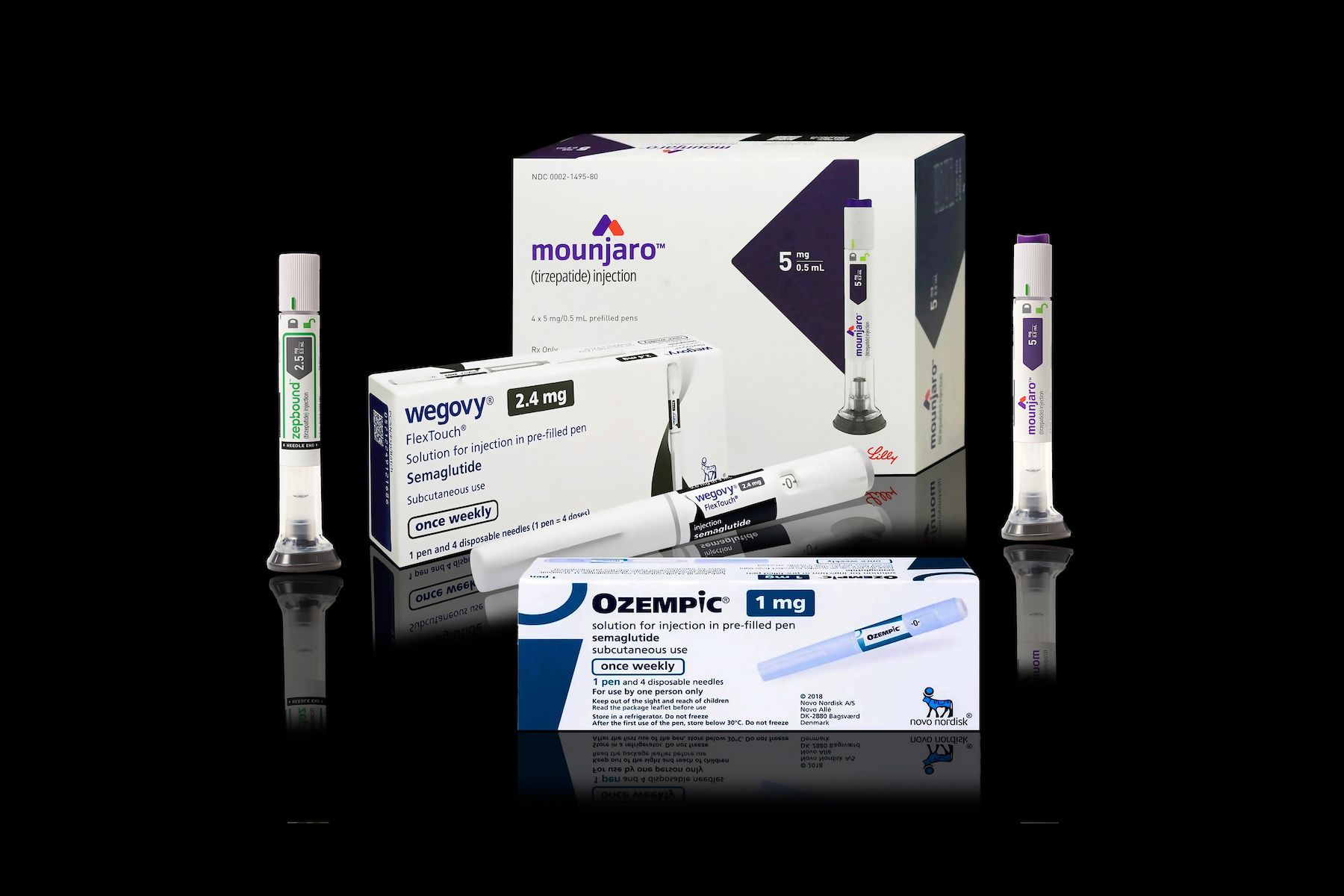
Study results demonstrated the efficacy of semaglutide (Wegovy) in reducing cardiovascular risks in adults with overweight or obesity without diabetes.

Positive results from the FLOW trial demonstrate the potential for Ozempic to become the first GLP-1 treatment option for people living with type 2 diabetes and chronic kidney disease.

Analysis of participants who never used tobacco cigarettes showed that daily cannabis use was associated a higher risk of both heart attack and stroke.
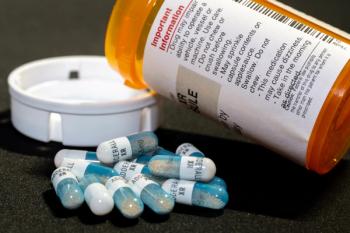
Study results suggesting that long-term cumulative use of attention-deficit/hyperactivity disorder (ADHD) medication increases the risk of CVD could prompt potential adjustments in treatment approaches for ADHD.

After myocardial infarction, all-cause mortality was the most frequent event, followed by heart failure, renal failure, and atrial fibrillation.

Study results indicate that using salt substitutes can be a viable population-wide strategy in preventing cardiovascular disease and controlling hypertension.

Women who experience ongoing trouble sleeping in midlife face a 70 to 75% increased risk of heart disease.

The link between high-risk human papillomavirus infection and atherosclerotic cardiovascular disease mortality was strongest in women with obesity.

Light-to-moderate alcohol consumption offers more protection against ischemic heart disease (IHD) mortality for individuals with higher socioeconomic status, potentially due to unequal access to health care.

Updated guidance from the United States Preventive Services Task Force advises against low-dose aspirin use as a primary prevention of atherosclerotic cardiovascular disease in certain populations who have bleeding risks.
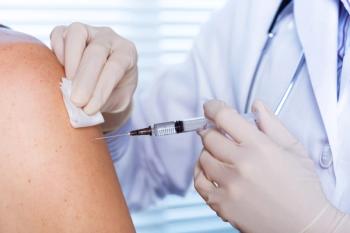
Study authors recommend that healthcare personnel consider prioritizing influenza vaccination for patients with recent cardiovascular diseases (CVDs) in light of new evidence.

Data demonstrated a 20% risk reduction for major adverse cardiovascular events in adults with overweight or obesity and established cardiovascular disease.