Gilead’s current lenacapavir patent is what makes Dr Reddy’s Laboratories’ formulation tentative.
Findings from a meta-analysis of over 125 clinical trials led the agency to require a class-wide label change.
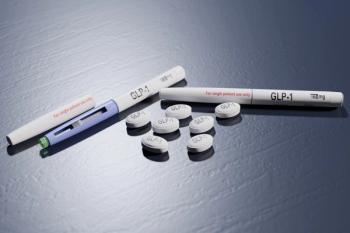
The FDA is requiring manufacturers of every glucagon-like peptide-1 (GLP-1) receptor agonist to add a warning about potentially increased risk of non-arteritic anterior ischemic optic neuropathy (NAION) to the Warnings and Precautions section of their labeling, according to an FDA release.1
“Results from several large epidemiological studies suggest that exposure to semaglutide in adults with type 2 diabetes (T2D) is associated with an approximately 2-fold increase in the risk of developing NAION compared with people not taking the medicine,” wrote the European Medicines Agency (EMA).2 “EMA has therefore recommended that the product information for semaglutide medicines is updated to include NAION as a side effect with a frequency of ‘very rare.’”
The FDA decision follows a comprehensive evaluation of clinical trial data, real-world evidence from the Sentinel Commercial Network, and post-marketing adverse event reports. In an analysis of 126 randomized controlled trials encompassing over 134,000 patients, FDA identified an incidence rate of 6.4 NAION cases per 100,000 person-years among GLP-1 users compared with 3.8 cases per 100,000 person-years in comparator groups.1
READ MORE:
Although this risk remains low compared with general population estimates of 2.3 to 10.2 cases per 100,000 adults over age 50 per year, methodologically rigorous observational studies consistently demonstrated an elevated risk compared with other diabetes drug classes, such as DPP-4 inhibitors.
NAION, often referred to colloquially as an eye stroke, occurs when blood flow to the optic disc is suddenly reduced, leading to acute and painless vision impairment in one eye that can cause permanent vision loss. Key symptoms that patients may experience upon waking include visual field defects like blind spots or tunnel vision, blurry central vision, and color distortion.1,3
Major anatomical and medical risk factors for developing NAION include diabetes, hypertension, smoking, sleep apnea, anemia, kidney disease, and having a crowded optic nerve head, often called a “disc at risk.”
Observational research published in JAMA Ophthalmology first highlighted a heightened association between semaglutide prescriptions and NAION in 2024, prompting regulatory reviews across global agencies. Hundreds of patient lawsuits have subsequently been filed against drug manufacturers Novo Nordisk and Eli Lilly over allegations of unwarned sudden vision loss.1,3
Despite these legal challenges and regulatory updates, researchers note that definitive biological mechanisms establishing direct causation have not yet been identified in animal models.
For community and clinical pharmacists dispensing GLP-1s, the updated warnings emphasize the critical necessity of proactive patient communication and thorough medication therapy management. These medications work by mimicking the endogenous GLP-1 gut hormone to slow gastric emptying, enhance glucose-dependent insulin secretion, and stimulate satiety pathways in the brain.4,5
They are broadly prescribed for T2D, chronic weight management, cardiovascular risk reduction, and obstructive sleep apnea. Because common adverse events like nausea, vomiting, diarrhea, and constipation lead nearly half of all patients to discontinue therapy within their first year, pharmacists play a central role in guiding patients through dose escalation and lifestyle modifications.1,4,5
When counseling patients on GLP-1 therapy, pharmacists should educate them to monitor for red flag visual symptoms and report sudden vision changes immediately. If NAION is suspected, health care professionals must promptly refer the patient to an ophthalmologist for detailed evaluation and consider discontinuing the GLP-1 medication unless treatment benefits clearly outweigh risks.1,2,4
Pharmacists should also remain vigilant regarding concurrent drug therapy, particularly when GLP-1 agents are combined with insulin or sulfonylureas, which increases the overall risk of severe hypoglycemia. Furthermore, patients should never stop their prescribed metabolic treatments abruptly without consulting their care team, while baseline eye examinations should be encouraged for high-risk individuals prior to initiating therapy.3,4
Through vigilant monitoring and clear patient education, pharmacy professionals can help safeguard patient vision while ensuring safe metabolic disease management amid these label changes.4
“FDA concluded that there is a potential increased risk of rare NAION events in patients taking GLP-1s,” concluded the agency’s announcement.1 “Based on these findings, FDA is requiring that application holders add information about the risk for NAION to the Warnings and Precautions section of labeling of all GLP-1s.”
READ MORE: